

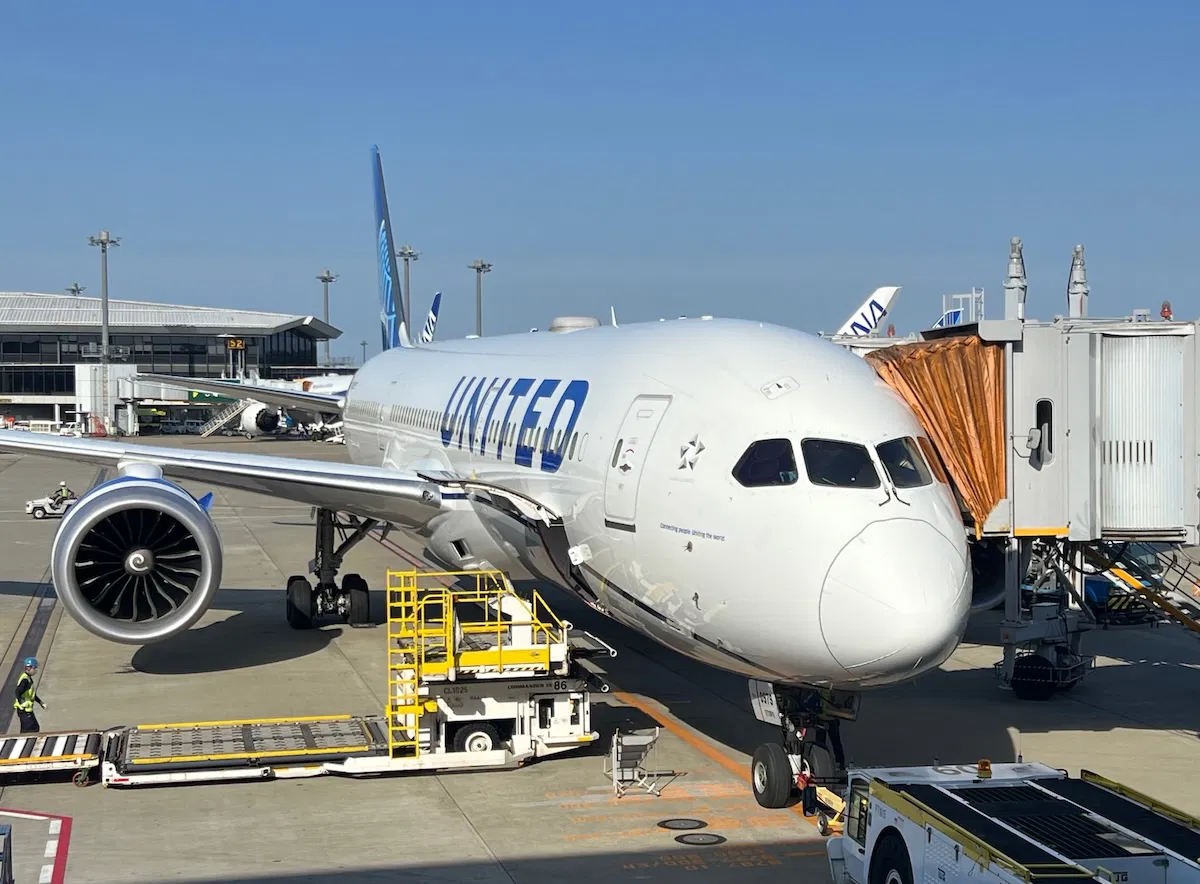
Two separate United Airlines bomb threat incidents disrupted operations over the weekend, forcing emergency evacuations and heightened security responses on consecutive days.
The incidents, involving a Boeing 737 MAX and an Airbus A321, triggered immediate aviation safety protocols, highlighting how seriously authorities treat potential onboard threats.
Back-To-Back Security Scares Disrupt United Airlines Flights
The first incident occurred on Saturday when United Airlines Flight 2092, operated by a Boeing 737 MAX, was traveling from Chicago O’Hare International Airport to New York LaGuardia Airport.
Mid-flight, a suspicious onboard concern prompted the crew to divert the aircraft to Pittsburgh International Airport. Upon landing, passengers were evacuated as emergency teams inspected the aircraft.
Authorities later confirmed that no explosive device was found, and the situation was handled safely.
Second Incident: Bomb Threat Halts Denver Departure
Just a day later, United Airlines Flight 2408, an Airbus A321 scheduled from Denver International Airport to Washington Dulles International Airport, was stopped before takeoff following a reported bomb threat.
Passengers were asked to deplane while security teams conducted a full inspection of the aircraft.
After thorough checks, officials confirmed the aircraft was cleared with no threats identified.
A passenger described the tense moment:
“When they started checking overhead bins and communicating urgently, we knew something wasn’t right.”
Aviation Security Protocols in Action
These incidents demonstrate how aviation security procedures are designed to prioritize safety above all else.
Whenever a potential threat is reported:
- Aircraft may be diverted immediately
- Passengers are evacuated as a precaution
- Full security sweeps are conducted
- Law enforcement agencies investigate
While disruptive, these measures ensure that any possible risk is eliminated before flights resume.
Emergency Diversions and Passenger Safety
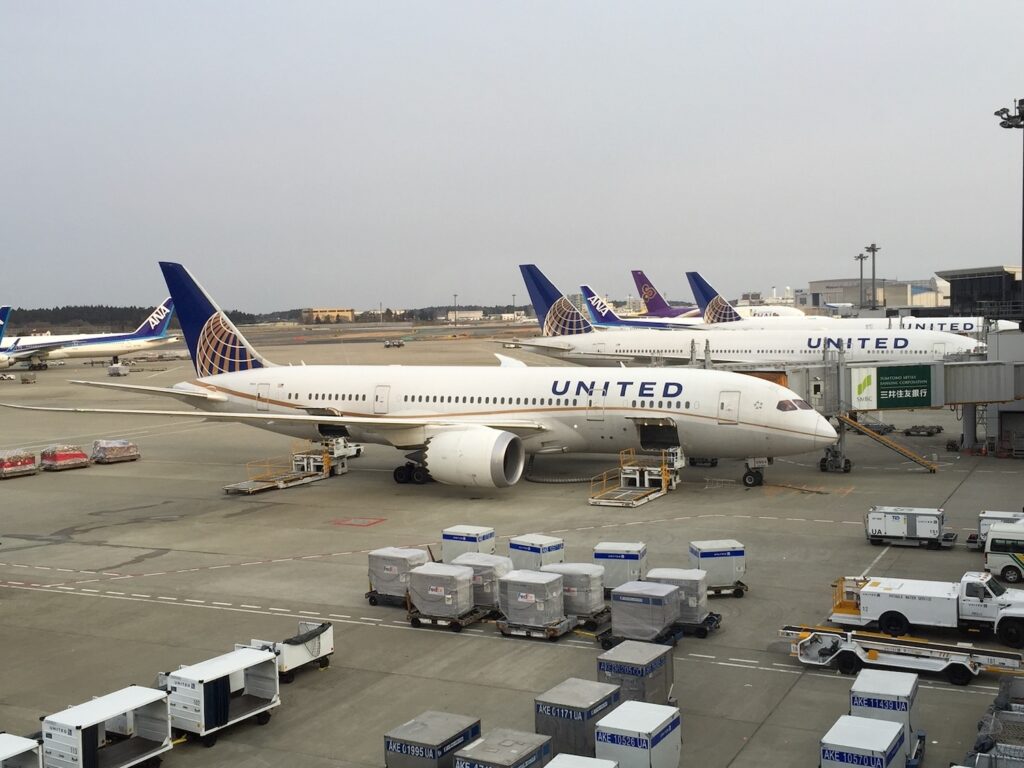
Both flights were handled according to strict safety guidelines:
- Emergency services were deployed instantly
- Airports coordinated passenger handling
- Crew followed trained emergency protocols
Major hubs like Washington Dulles and Pittsburgh International Airport are equipped to manage such incidents efficiently, minimizing risk to passengers and crew.
Importantly, no injuries were reported in either case.
Investigations Underway
Bomb threats involving commercial aircraft are taken extremely seriously under federal law.
Even when no device is found:
- Incidents are fully documented
- Investigations are launched
- Security responses are reviewed
Authorities have stated that the two incidents are not currently linked.
What This Means for Aviation Safety
These back-to-back events highlight the strength of the aviation industry’s safety framework.
Airlines like United continuously:
- Train crew for emergency situations
- Update security procedures
- Conduct post-incident reviews
Passengers were later rebooked or allowed to continue their journeys after both aircraft were cleared.
Conclusion
The two United Airlines flight evacuations due to bomb threats serve as a reminder of the aviation sector’s commitment to safety.
While such incidents can cause delays and concern, they also demonstrate that strict protocols and rapid response systems are working exactly as intended.
FAQs
Q1: Why were United Airlines flights evacuated?
Two flights were evacuated due to reported bomb threats, prompting standard safety procedures including inspections and passenger evacuation.
Q2: Were any explosives found on the aircraft?
No, authorities confirmed that no explosive devices were found in either incident.
Q3: Which flights were affected?
United Airlines Flight 2092 (Chicago to New York) and Flight 2408 (Denver to Washington D.C.).
Q4: What happens during a bomb threat on a flight?
Aircraft may be diverted or grounded, passengers evacuated, and security teams conduct thorough inspections.
Q5: Were passengers injured?
No injuries were reported in either of the incidents.
 Olive Arthur