

The global aviation industry is buzzing after fresh speculation about a potential merger between United Airlines and American Airlines. If such a deal were ever to materialize, it would reshape the competitive landscape of the United States airline market overnight.
Reports suggest that United CEO Scott Kirby may have floated the idea in discussions with political stakeholders, fueling debate across Wall Street and regulatory circles. However, despite the excitement, this remains a highly speculative scenario with significant legal and competitive hurdles.
Why a United–American Airlines Merger Is Making Headlines
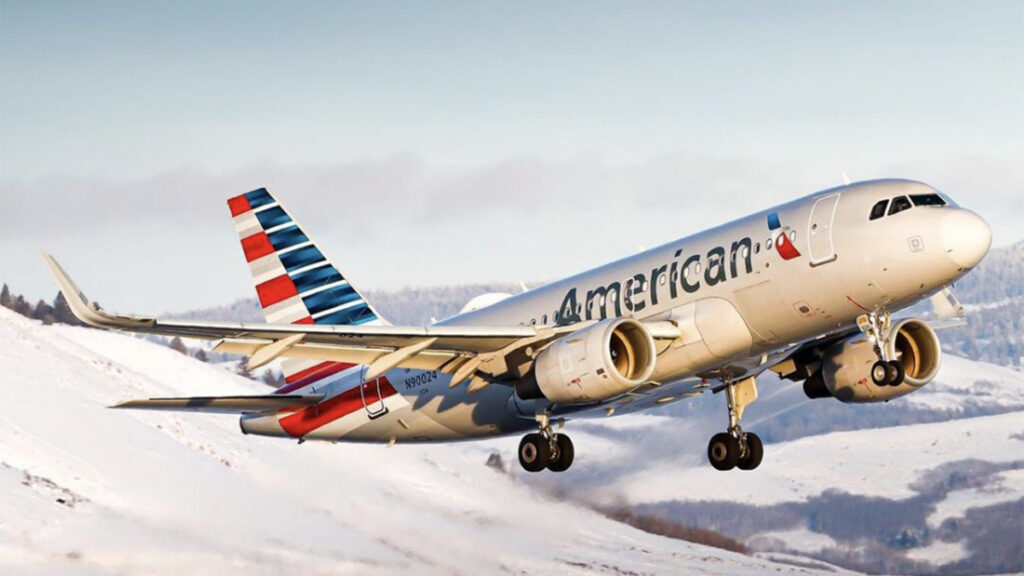
A merger between these two aviation giants would create the world’s largest airline by capacity and revenue. Combined, United Airlines and American Airlines would control roughly:
- Around 40% of U.S. domestic seat capacity
- A dominant presence across 150+ airports
- A massive global network spanning all major continents
This scale would allow the combined airline to compete aggressively for corporate travel contracts, expand international routes, and strengthen its loyalty ecosystem.
From an investor standpoint, the merger promises:
- Cost synergies across operations and procurement
- Increased pricing power
- Better fleet and network optimization
Major Barriers: Antitrust Laws & Regulatory Scrutiny
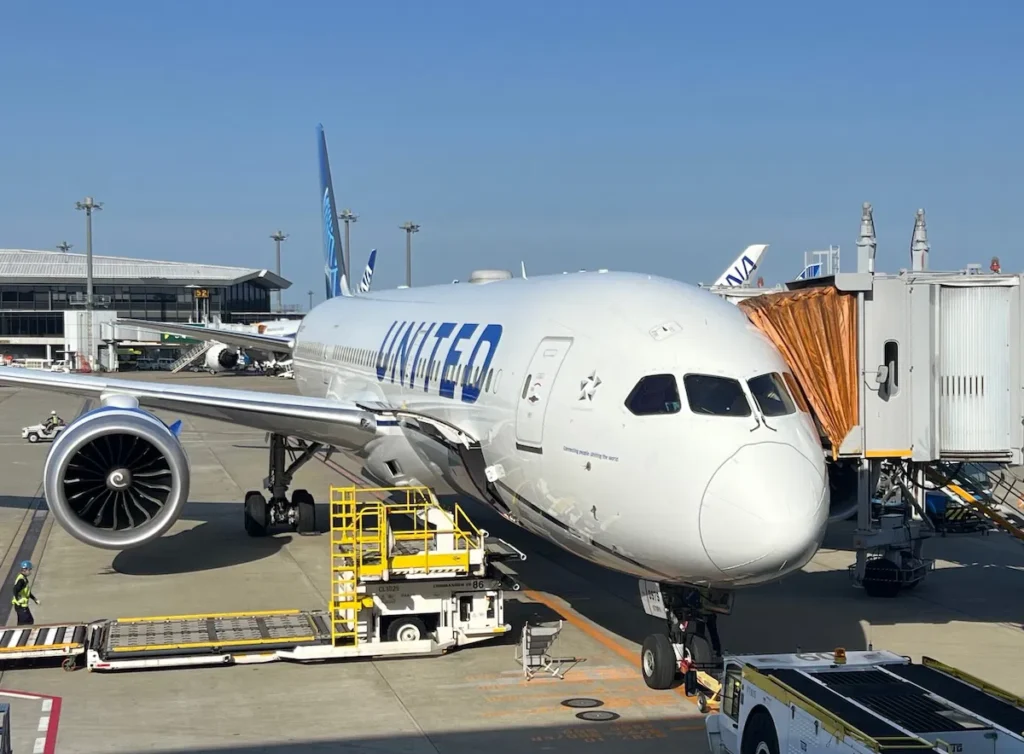
Despite the potential upside, the biggest obstacle is regulation—particularly from the United States Department of Justice.
In recent years, regulators have taken a tough stance on airline consolidation. Key examples include:
- Blocking the JetBlue-Spirit merger attempt
- Challenging the American Airlines–JetBlue Northeast Alliance
A United-American merger would go far beyond these cases in scale.
Key Concerns from Regulators:
- Reduced competition on overlapping routes
- Higher airfares due to pricing power
- Limited choices for passengers
- Increased dominance at slot-constrained airports
Such a merger could also create “fortress hubs,” making it nearly impossible for smaller airlines to compete effectively.
Could This Mega Merger Ever Be Approved?
Industry experts widely agree: approval would be extremely unlikely.
A combined entity would significantly increase market concentration, triggering one of the strongest antitrust responses in aviation history. Regulators would argue that the merger:
- Harms consumer interests
- Weakens competition
- Reduces service quality over time
Even under a potentially business-friendly administration like that of Donald Trump, the scale of this deal would make approval very difficult.
Why Wall Street Likes the Idea
While regulators remain skeptical, investors see strong strategic value.
A merged United Airlines–American Airlines group could generate over $110 billion in annual revenue, making it the most powerful airline globally.
Key Benefits Highlighted by Analysts:
- Stronger international connectivity
- Improved premium offerings
- Enhanced loyalty program monetization
- Greater bargaining power with aircraft manufacturers
Additionally, some analysts believe that folding American Airlines into a more efficient United-led model could improve overall operational performance.
The Reality: Speculation vs. Feasibility
Despite the buzz, there are no confirmed merger talks between United Airlines and American Airlines.
Given the current regulatory climate and recent legal precedents, such a merger remains highly improbable in the near future.
Still, the discussion itself highlights a broader trend—airlines constantly seek scale, efficiency, and global reach in an increasingly competitive market.
FAQs
Is United Airlines merging with American Airlines?
No, there are currently no confirmed talks. The idea is purely speculative.
Why is this merger controversial?
It would significantly reduce competition, potentially leading to higher fares and fewer choices for passengers.
Who would approve such a merger?
The United States Department of Justice and other regulators would need to approve it.
Would it create the world’s largest airline?
Yes, it would likely become the largest airline globally by both capacity and revenue.
Final Thoughts
The idea of a merger between United Airlines and American Airlines is fascinating from a strategic and financial perspective. However, regulatory realities make it more of a theoretical debate than a practical possibility—for now.
As the aviation industry continues evolving, consolidation will remain a hot topic—but mega-mergers like this may simply be too big to fly.
 Aastha Choudhary