

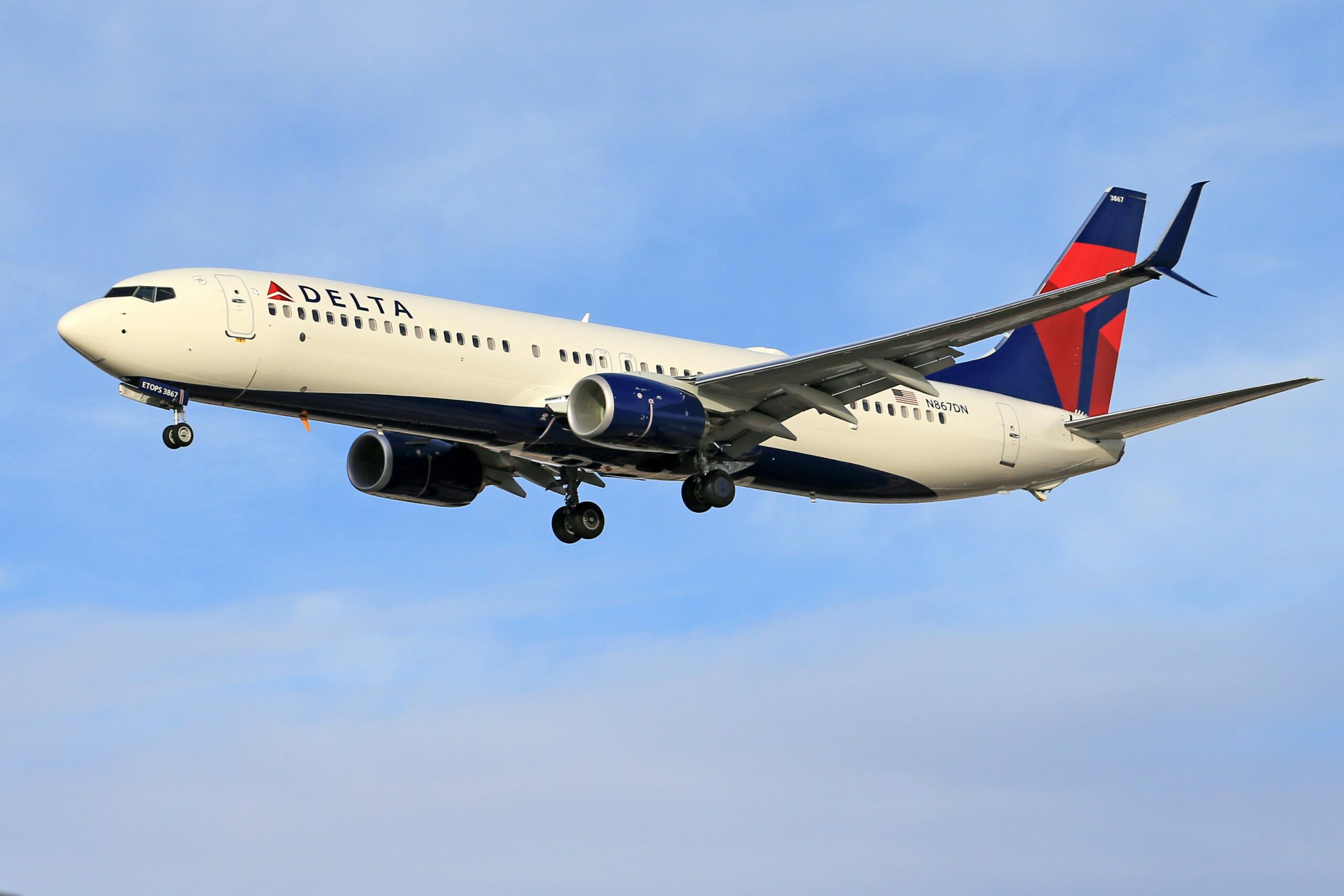
ATLANTA, Delta Air Lines has formalized its Summer 2026 transatlantic operations, marking the largest European schedule in the company’s history. The carrier intends to operate more than 700 weekly flights to 33 destinations, reflecting an aggressive stance on long-haul capacity. This strategic move leverages Delta’s domestic hub dominance to feed high-yield international routes during the peak travel season.
Operational planners have prioritized slot acquisition and hub synchronization to ensure the 2026 surge remains sustainable. By increasing weekly frequencies and launching new direct corridors, the airline is positioning itself to capture a significant share of the premium cabin market. The schedule emphasizes connectivity through established SkyTeam hubs while expanding point-to-point service from secondary US gateways.
Historical data indicates that Delta’s transatlantic performance often hinges on its ability to maximize utilization of its long-range fleet during the June-August window. In previous years, the airline focused on recovery and stabilization following global disruptions. The 2026 roadmap signifies a transition from recovery to aggressive market capture, utilizing a modernized fleet to improve fuel efficiency and per-seat costs.
This expansion aligns with broader industry trends where legacy carriers are reclaiming territory from low-cost long-haul competitors. By focusing on service reliability and hub connectivity, Delta aims to insulate itself from the volatility of the economy-only market. The airline’s partnership with Air France-KLM and Virgin Atlantic continues to serve as a critical foundation for these expanded operations.
- Total Weekly Transatlantic Flights: 700+
- Total European Destinations: 33
- New Routes: Detroit (DTW) to Munich (MUC); Minneapolis (MSP) to Brussels (BRU); Atlanta (ATL) to Naples (NAP).
- Frequency Increases: Boston (BOS) to Barcelona (BCN) and Milan (MXP); Atlanta (ATL) to Zurich (ZRH).
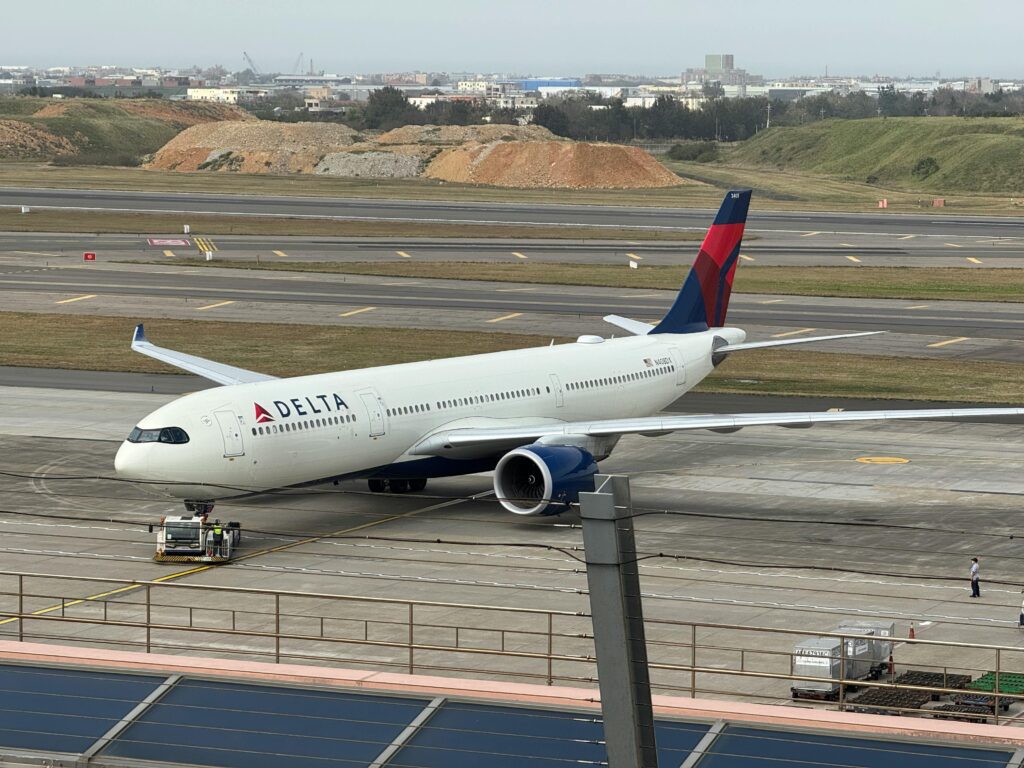
- Fleet Focus: Airbus A330-900neo and A350-900 for flagship routes; Boeing 767-400ER for mid-tier demand.
From a dispatch perspective, the addition of DTW-MUC and MSP-BRU highlights a focus on corporate heavy markets with significant cargo potential. Munich remains a vital industrial hub, while Brussels serves as a diplomatic and administrative center. These routes allow Delta to bypass the congestion of larger hubs like London Heathrow and Paris Charles de Gaulle for specific high-yield traffic segments.
The deployment of the Airbus A330neo is central to the 2026 strategy. This aircraft offers a significant reduction in fuel burn compared to the older Boeing 767-300ER units it is effectively replacing on many long-haul legs. As analysts monitor the latest Airline News, the focus shifts toward Delta’s ability to maintain sector-leading margins while scaling capacity at this unprecedented level.
Operational implications for ground handling and crew positioning are substantial. Scaling to 700 weekly flights requires a robust contingency plan for mechanical delays and weather-related disruptions in the North Atlantic corridor. Delta’s Integrated Operations Center (IOC) will likely need to augment its transatlantic desk staffing to manage the increased volume across multiple time zones.
The Atlanta to Naples service represents a tactical move into the high-end leisure market. Naples serves as the primary gateway for the Amalfi Coast, a region seeing record demand from US-based luxury travelers. By providing direct access from its primary hub, Delta eliminates the need for passengers to connect through Rome or Milan, thereby increasing its capture of premium revenue.
In Boston, the frequency increases to Milan and Barcelona reflect the carrier’s commitment to its Northeast hub. Boston has become a battlefield for transatlantic market share, with competitors increasing their presence. Delta’s decision to add daily rotations ensures it maintains a competitive schedule for business travelers who require flexibility in departure times.
Flight dispatchers must also account for the evolving regulatory environment in Europe regarding noise and emissions. The use of quieter, more efficient aircraft like the A350 is a prerequisite for maintaining slots at airports with strict environmental mandates. This fleet strategy mitigates the risk of operational penalties while ensuring access to key European gateways.
Comparing this 2026 schedule to previous years, the most notable shift is the diversification of the gateway strategy. While New York (JFK) remains the primary launchpad, the growth in Detroit and Minneapolis indicates a desire to de-risk operations from the congested Northeast corridor. This geographic spread allows for better recovery options during localized air traffic control delays.
The financial implications of this schedule are rooted in the high-yield summer season which often subsidizes lower-performing winter months. By maximizing the 2026 summer window, Delta aims to strengthen its balance sheet and fund ongoing fleet modernization. The success of this expansion will depend on the continued strength of the US dollar and consumer appetite for international experiences.
Managing the maintenance cycles for the widebody fleet will be a critical task for Delta TechOps. With such a high utilization rate planned for the 700 weekly flights, there is minimal room for extended aircraft-on-ground (AOG) situations. Pre-positioning spare parts and engines at key European stations like Amsterdam and London will be essential for operational continuity.
Ultimately, Delta is betting on a sustained appetite for transatlantic travel that defies inflationary pressures. The 2026 schedule is not just about volume; it is about the strategic placement of capacity where yield is highest. This move signals to the market that Delta is prepared to defend its position as a leading global carrier through superior network reach and operational execution.
For additional operational briefings and the latest Airline News, monitor our dedicated aviation intelligence category.
 Anshum Raj
  Priyanshu Gautam
  Olive Arthur