

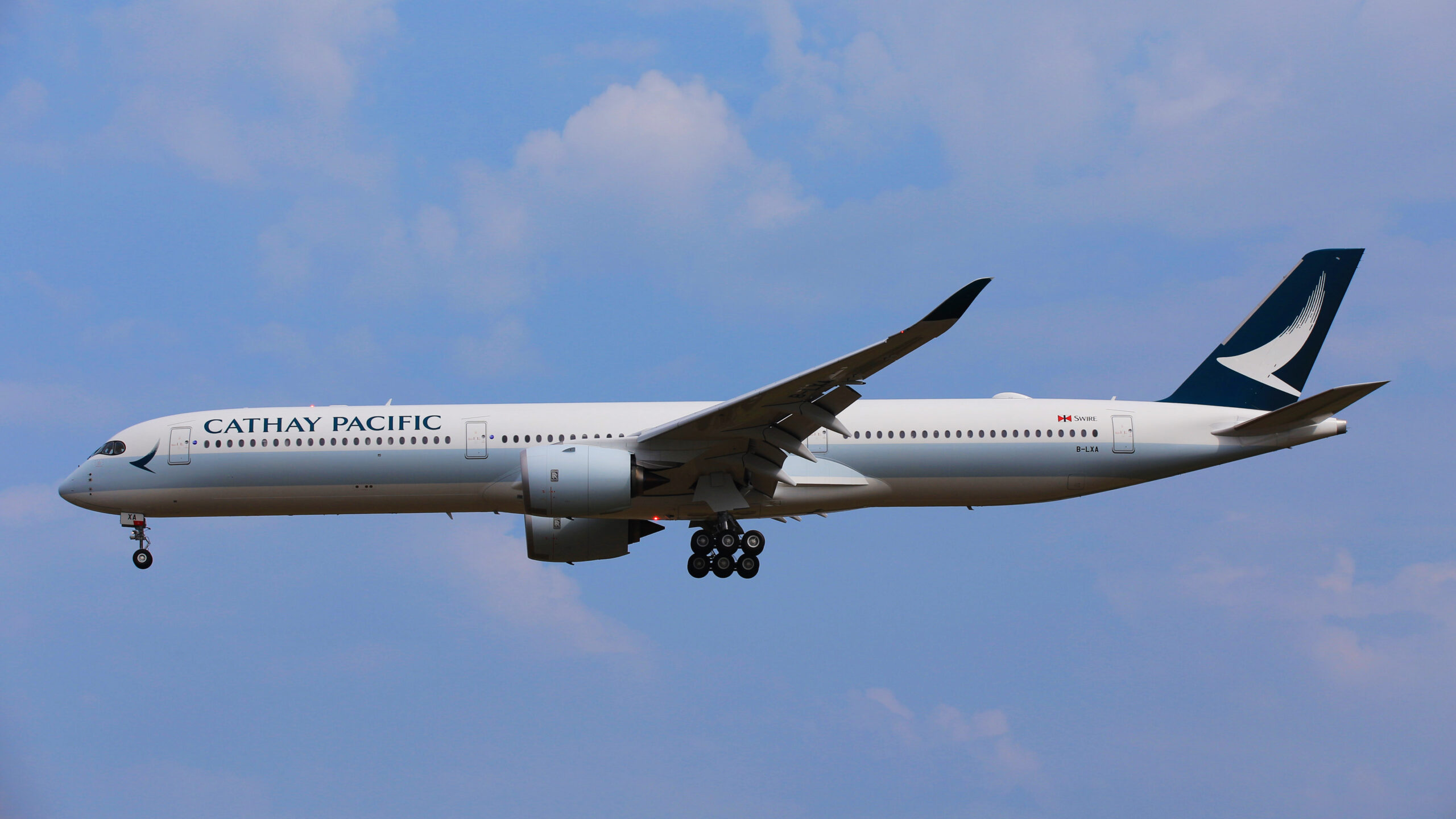
Cathay Pacific has initiated a systemic increase in fuel surcharges across its primary route network, responding to the 112% escalation in kerosene costs following the 2026 Iran Crisis.
This tactical adjustment highlights the carrier’s necessity to protect operating margins as geopolitical volatility disrupts traditional supply corridors and increases the cost of Jet A-1 globally. Historically, Hong Kong’s flag carrier has relied on a robust hedging program to mitigate price swings. However, the velocity of the 2026 crisis has outpaced standard derivative protections, forcing a direct pass-through of costs to the consumer and cargo client base as supply chains tighten.
Fuel price increase: 112% since Q1 2026.
Long-haul surcharge: $145 USD per flight segment.
Short-haul surcharge: $38 USD per flight segment.
Operational deviation: 12% increase in fuel burn on Europe-bound routes due to airspace closures.
The immediate implementation of these surcharges suggests that Cathay Pacific anticipates a prolonged disruption in Middle Eastern stability. By front-loading these costs, the airline seeks to maintain the liquidity necessary for its fleet modernization and debt servicing.
This development is a core component of current Airline News, as the industry monitors how major hubs respond to shifting energy prices. Operationally, this move indicates a pivot toward yield preservation over market-share expansion during high-risk cycles. The 2026 Iran Crisis has forced a significant recalibration of flight dispatch logic across the Asia-Pacific region.
As Iranian airspace becomes restricted or high-risk, carriers like Cathay Pacific must reroute long-haul flights between Hong Kong and Europe. These deviations often involve navigating via more southerly tracks or utilizing more congested northern corridors over Central Asia. Such rerouting adds between 45 to 90 minutes of flight time, necessitating higher fuel reserves and reducing available payload for high-density cargo operations.
For the flight dispatch team, the calculation of the Cost Index (CI) has become a primary focus. Lower CI values are being utilized to conserve fuel on extended flight paths, though this increases total block time and affects crew duty cycles.
The airline’s Fuel Surcharge Update is not merely a reaction to spot prices but a strategic buffer against the increased logistical complexity of operating in a fractured geopolitical environment. This surcharge mechanism is inherently tied to the Brent crude index, yet the refine spread for Jet A-1 has widened significantly in early 2026. Cathay Pacific’s fleet, which features a high concentration of fuel-efficient Airbus A350-900 and A350-1000 aircraft, provides some insulation compared to older-generation fleets.
However, the 777-300ER fleet, which serves as the backbone of several high-capacity routes, remains sensitive to these price spikes. The operational logic dictates that as fuel costs exceed 35% of total operating expenses, surcharges must be adjusted to prevent a deficit in cash flow. The cargo division, Cathay Cargo, is also feeling the impact of these changes. As a global leader in air freight, the carrier has had to implement similar adjustments to its cargo fuel surcharges.
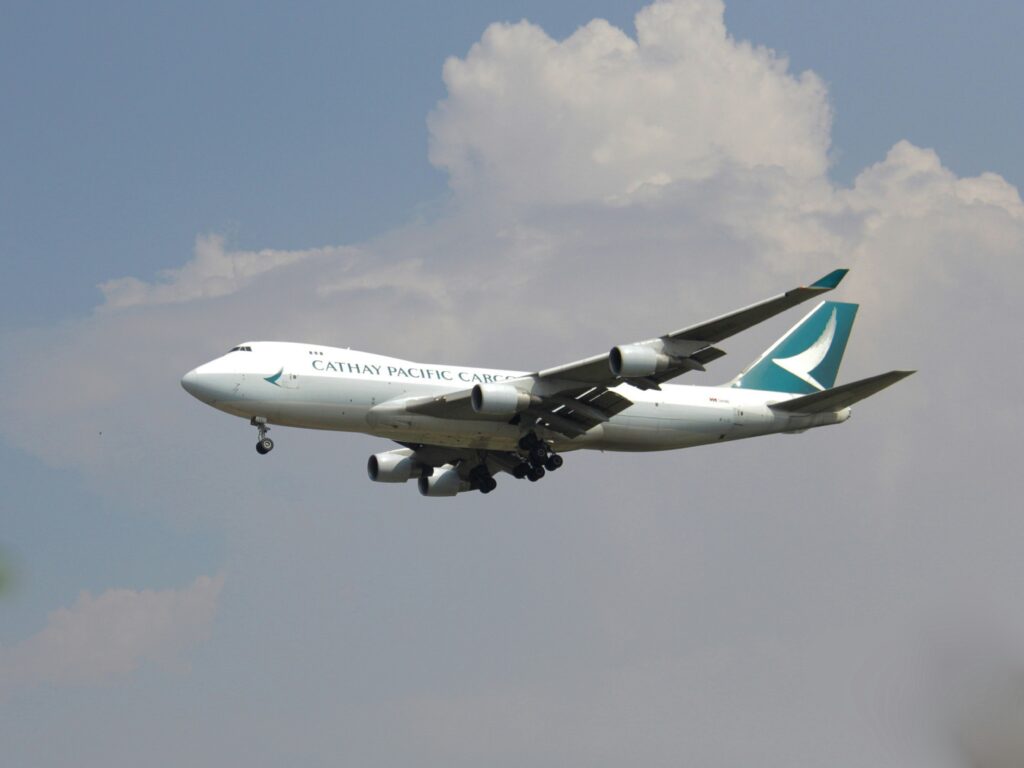
In the current environment, the cost of flying a dedicated 747-8F freighter has risen to levels that require careful management of load factors. Any flight operating at less than 75% capacity now faces the risk of being margin-dilutive. This has led to more frequent consolidations and occasional flight cancellations on thinner routes to maintain profitability. From a competitive standpoint, the move by Cathay Pacific is likely to be mirrored by other regional carriers including Singapore Airlines and EVA Air.
The entire Southeast Asian and East Asian aviation sector is currently navigating the same inflationary pressures. If the 2026 Iran Crisis continues to limit supply from the Persian Gulf, the industry may see a more permanent shift in how tickets are priced, moving away from base-fare competition toward a model heavily weighted by variable surcharges.
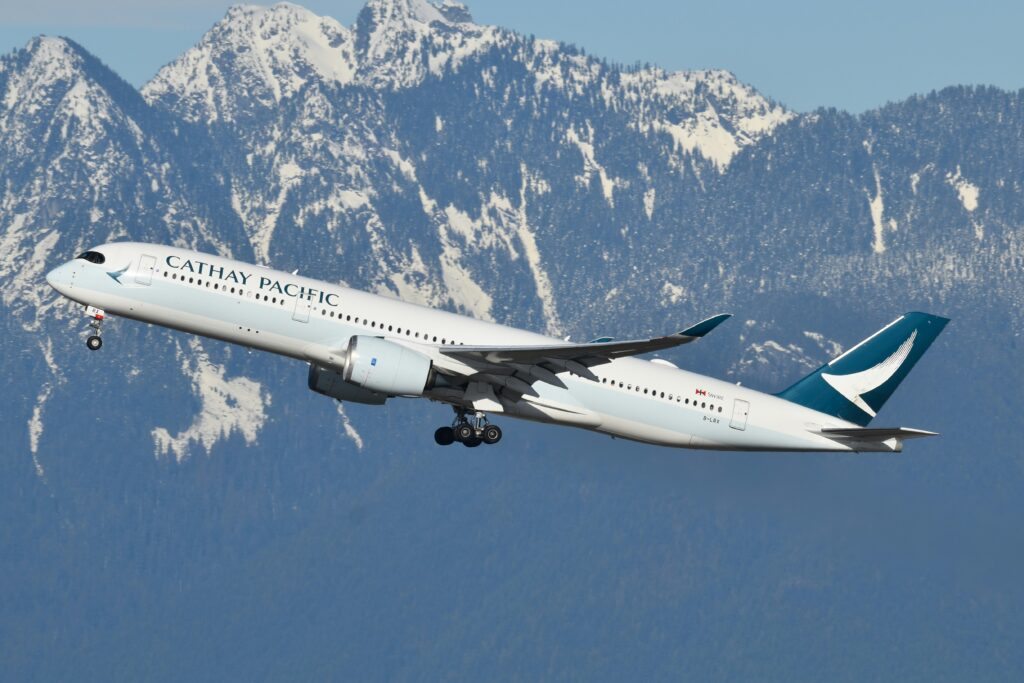
Fleet economics also play a critical role in how these surcharges are distributed. The A350‘s carbon-fiber construction and advanced Rolls-Royce Trent XWB engines offer a 25% improvement in fuel burn over previous generation aircraft. By deploying these aircraft on the most affected routes, Cathay can theoretically offset some of the surcharge burden for passengers, yet the overarching market price of fuel remains the dominant factor.
The airline’s dispatchers are now utilizing advanced predictive software to optimize flight paths in real-time, accounting for both wind patterns and the latest geopolitical NOTAMs (Notices to Air Missions). Regulatory frameworks in Hong Kong allow for monthly adjustments of fuel surcharges based on the average price of fuel in the preceding month.
This gives the airline the flexibility to respond to market cooling or further heating. However, the psychological impact on travelers cannot be ignored. High surcharges can lead to demand destruction, particularly in the leisure segment. Cathay’s management is currently balancing the need for cost recovery against the risk of losing passengers to secondary carriers or alternative modes of transport within the region.
The broader economic context of 2026 suggests that the aviation industry is entering a phase of sustained high-cost operations. The transition to Sustainable Aviation Fuel (SAF) adds another layer of complexity, as SAF currently carries a significant premium over traditional Jet A-1. While Cathay Pacific remains committed to its 10% SAF target by 2030, the immediate crisis in the Middle East has prioritized traditional fuel procurement and cost management.
This tactical shift is essential for survival in a volatile decade.
For additional operational briefings and the latest Airline News, monitor our dedicated aviation intelligence category.
 Anshum Raj
  Priyanshu Gautam
  Olive Arthur