

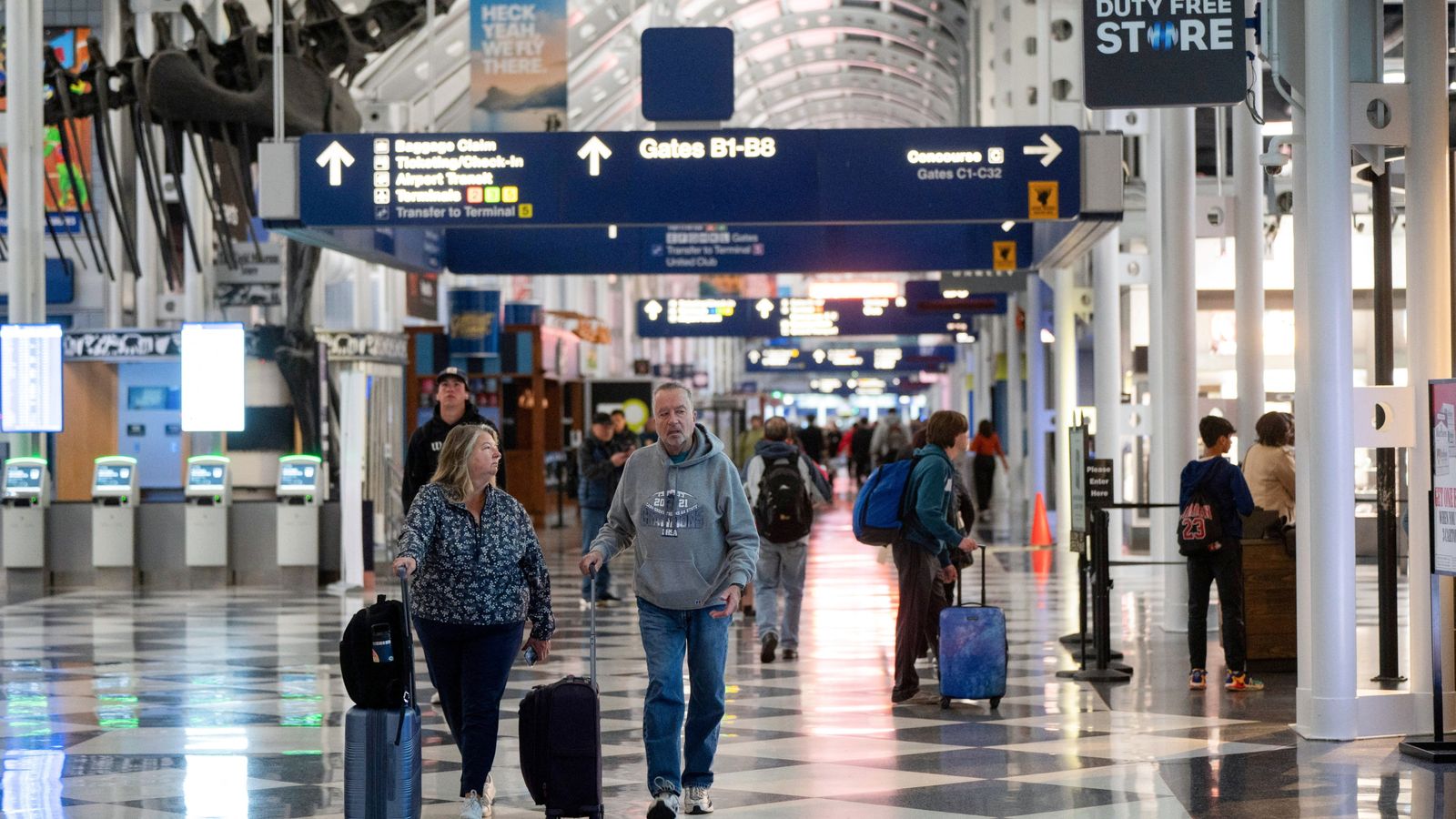
Thousands of flight delays are rippling through major U.S. hubs as a combination of chronic air traffic control staffing shortages and volatile weather patterns strain the national airspace. These bottlenecks represent a significant test for operational resilience as the industry prepares for a record-breaking summer travel season across New York, Atlanta, and Chicago.
The U.S. aviation system has struggled to recalibrate its human capital infrastructure since the pandemic-driven training pauses of 2020. While passenger demand has surged to pre-2019 levels, the Federal Aviation Administration (FAA) continues to grapple with a multi-year lag in controller certification. This deficit is most acute at high-complexity Terminal Radar Approach Control (TRACON) facilities that manage the country’s busiest arrival and departure corridors.
- Certified Professional Controller Shortfall: Approximately 3,000 personnel nationwide.
- Year-to-Date Delay Increase: 14% rise in delay minutes compared to the same period in 2025.
- Economic Impact: Estimated $32 billion annual cost to the U.S. economy due to flight disruptions.
- System Capacity: Northeast Corridor operates at 115% of sustainable ATC capacity during peak convective weather events.
Analysis of current fleet economics reveals that carriers are increasingly front-loading schedules to mitigate late-day compounding delays. One observation is the regional concentration of disruptions in the New York airspace, where the N90 facility has seen staffing levels drop below 60% of target requirements. Historically, severe weather caused isolated cancellations; today, minor thunderheads trigger systemic ground stops because there is no labor buffer to manage complex rerouting.
Within the broader context of Airline News, this staffing deficit is viewed as the primary threat to the domestic network. An operational implication of this trend is the rise in “block time” inflation. Airlines are intentionally padding their flight schedules by 15-20 minutes to maintain on-time performance metrics, a move that increases fuel burn and labor costs while reducing aircraft utilization rates across narrow-body fleets.
The FAA Reauthorization Act of 2024 aims to address these systemic vulnerabilities by mandating maximum hiring at the FAA Academy in Oklahoma City. However, the lead time for a controller to reach full performance level (FPL) status can exceed three years. This mismatch between legislative intent and operational reality suggests that the 2024 summer season will rely heavily on tactical volume capping and ground delay programs rather than structural capacity growth.
Safety protocols remain the paramount concern for regulatory bodies as fatigue risk management systems (FRMS) are pushed to their limits. The surge in “close-call” incidents reported over the last 18 months has prompted intensified scrutiny of controller overtime hours. Many facilities are currently operating on mandatory six-day workweeks, a practice that analysts warn is unsustainable for long-term safety margins and mental acuity in high-stress environments.
Meteorological data indicates that the 2024 convective season may be more active than average, particularly impacting the Hartsfield-Jackson Atlanta International Airport (ATL). As the world’s busiest airport, ATL serves as a primary connecting point for north-south traffic. When weather closes arrival gates in the Southeast, the resulting congestion spreads through the Midwest, affecting O’Hare (ORD) and Dallas-Fort Worth (DFW) within hours, creating a domino effect that resets only after midnight.
Carrier response strategies have shifted toward proactive cancellations. By scrubbing flights 24 to 48 hours in advance of a predicted storm, airlines can prevent crews and airframes from being displaced. This strategy, while frustrating for passengers, prevents the total network collapse seen during the 2022 holiday period. Dispatchers are now using AI-driven predictive modeling to identify which routes have the highest probability of ATC-mandated separation increases.
Fleet economics are further pressured by the rising costs of passenger re-accommodation. New Department of Transportation (DOT) mandates regarding automatic refunds for significant delays add a direct financial penalty to operational failures. Airlines must now weigh the cost of operating a delayed flight against the immediate liability of refunding an entire cabin’s ticket revenue, a calculation that frequently favors cancellation over extended delays.
As the industry moves toward the July peak, the reliance on NextGen technology remains a mixed success. While Automatic Dependent Surveillance-Broadcast (ADS-B) has improved situational awareness, it cannot replace the human decision-making required during complex weather deviations. The integration of 5G C-band signals also continues to require specific low-visibility approach procedures that can reduce landing rates at major airports during summer morning fog.
Operational resilience in the current environment requires a multi-faceted approach involving the FAA, airline management, and labor unions. Without a rapid infusion of certified controllers and a modernization of the aging STARS (Standard Terminal Automation Replacement System) hardware, the U.S. airspace will continue to operate at a state of constant high tension. Dispatchers must remain vigilant, prioritizing safety over schedule adherence as the margin for error narrows.
For additional operational briefings and the latest Airline News, monitor our dedicated aviation intelligence category.
FAQs
1. Why are thousands of flights delayed across U.S. airports?
Flight delays are increasing due to a combination of air traffic controller shortages, severe weather disruptions, and congestion at major hubs like New York, Atlanta, and Chicago. Limited staffing at key FAA control facilities reduces the system’s ability to manage rerouting during storms.
2. How does the air traffic controller shortage affect airline operations?
A shortage of certified controllers reduces airspace capacity, forcing the FAA to issue ground delays, traffic management initiatives, and flight caps. Airlines often add extra block time or cancel flights to prevent cascading disruptions across their networks.
3. Which U.S. airports are most affected by delays?
Major hubs in the Northeast and Midwest are experiencing the most disruption, particularly New York-area airports, Hartsfield-Jackson Atlanta International Airport, and Chicago O’Hare. Congestion in these hubs can quickly spread delays across the national airspace system.
 Anshum Raj
  Priyanshu Gautam
  Olive Arthur