

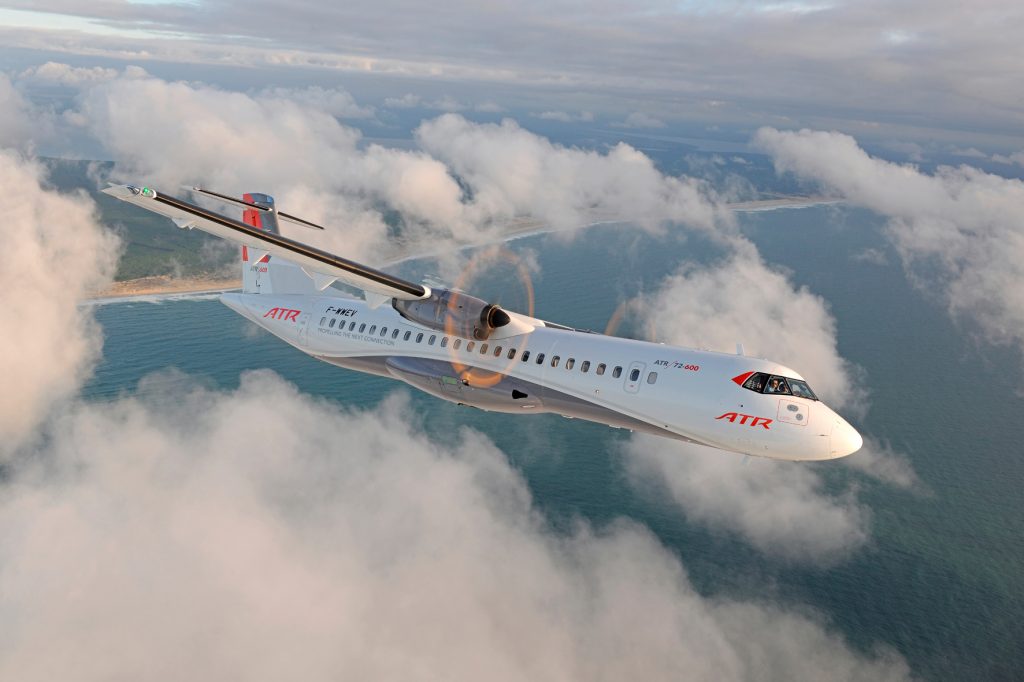
TOULOUSE, the semantic shift in executive rhetoric often signals the depth of operational friction before the balance sheet confirms it. At the ATR headquarters in Toulouse, the narrative for 2025 has moved from a forecast of “stabilization” to a retrospective characterization of a “transition year.”
CEO Nathalie Tarnaud Laude’s pivot in terminology reflects a stark industrial reality: the turboprop manufacturer is grappling with a supply chain that remains brittle and output levels that have regressed. Despite holding a de facto monopoly in the Western turboprop segment following Bombardier’s exit, ATR delivered only 32 aircraft in 2025—a drop from an already suppressed 35 units in 2024. The operational response has been counterintuitive to the uninitiated but necessary for recovery: the reopening of the second Final Assembly Line (FAL North) to create logistical buffers rather than immediate volume surges.
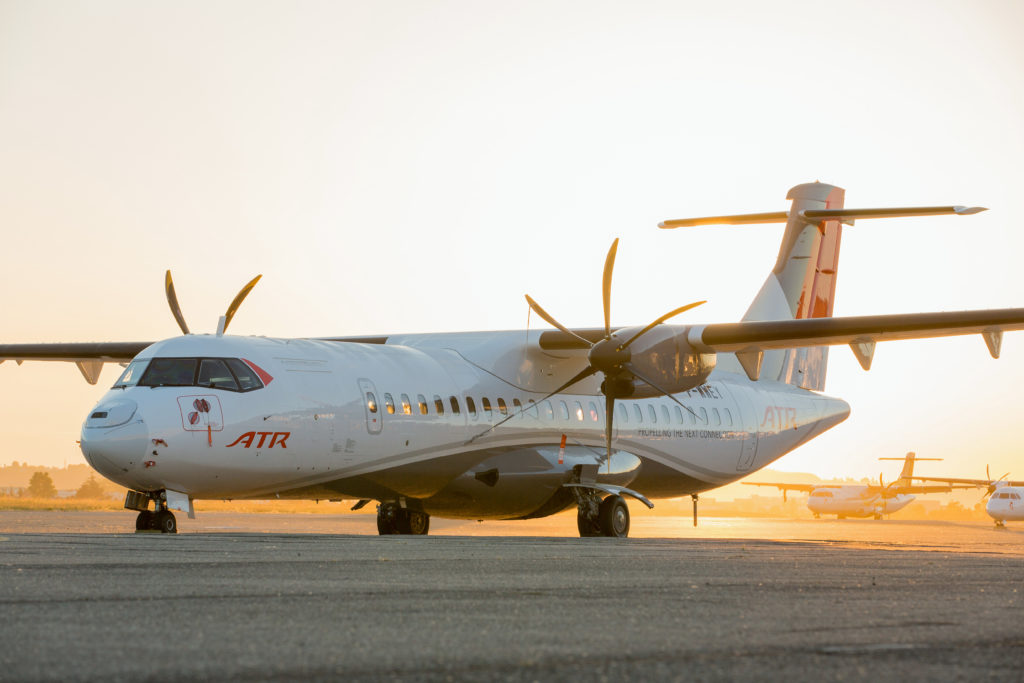
To understand the current lethargy in Toulouse, one must look at the decadal trend line. The regional aviation sector previously supported two major turboprop programs: the ATR 42/72 series and the Bombardier Q400. In 2011, during the peak of high oil prices which favored fuel-efficient props, ATR secured record orders for 157 aircraft. By 2015, the manufacturer was delivering 88 units annually.
The landscape has since shifted violently. Bombardier divested the Q400 program, and Embraer halted its evaluation of a new turboprop entry, leaving ATR as the sole supplier of Western-built regional turboprops. However, monopoly status has not insulated the airframer from the systemic collapse of the post-COVID aerospace supply chain.
The decline in output from 80+ units (2016-2017) to the low 30s today indicates severe structural damage within the vendor base, characterized by loss of technical competencies and financial insolvency among sub-tier suppliers.
Operational Metrics
- 2025 Deliveries: 32 Aircraft (↓ from 35 in 2024).
- Historical Peak Deliveries: 88 Aircraft (2015).
- 2025 Order Book: 60 Firm Orders (net impacted by 10 cancellations).
- Total Backlog: 205 Firm Orders + 160 Options.
- Geographic Backlog Distribution: 50% Asia-Pacific.
- Production Targets: +20% volume growth in 2026; 60 annual deliveries by 2030.
- Addressable Replacement Fleet: 600+ in-service aircraft exceeding 12 years of age.
The “Buffer” Strategy of FAL North
The reopening of FAL North appears fiscally aggressive for a company delivering only 32 jets, but administratively, it is a risk-mitigation tactic. Marion Smeyers, SVP of Operations, explicitly positions this infrastructure not as a tool for immediate expansion, but as a mechanism for resilience. In a streamlined, single-line production environment, a missing component—be it an avionics suite or a landing gear assembly—stops the entire line. By reactivating FAL North, ATR creates “surge capacity.”
This allows the manufacturer to sideline airframes that are awaiting parts without halting the flow of aircraft that have a complete bill of materials. It is an acknowledgment that the supply chain will remain volatile through 2026. The loss of “competencies” Smeyers refers to is a critical industry-wide failure point; the skilled labor that evaporated during the pandemic has not returned at a pace commensurate with demand, leading to quality escapes and delays at the sub-supplier level.
The contraction of the turboprop market is evident. Despite being the only game in town, ATR’s book-to-bill ratio is struggling to gain momentum. The order intake of 60 aircraft in 2025, offset by cancellations, suggests that while there is no competitor, there is also hesitancy in the market. Airlines are holding onto capital or extending leases on older frames rather than committing to new metal.
However, the lack of competition provides ATR with a specific luxury: time. With no Q400s rolling off a line and Embraer sitting out, operators needing to replace aging fleets have no alternative but to wait for ATR to sort its internal house. There is no threat of order defections to a rival manufacturer, only the risk of deferrals or shifts to regional jets, which come with significantly higher operating costs.
The commercial strategy, led by Alexis Vidal, hinges on a “replacement super-cycle.” The data supports the potential: over 600 aircraft currently in service are over 12 years old. This aging fleet represents a ticking clock for maintenance costs, eventually forcing operators to renew.
- Asia-Pacific: This remains the engine of ATR’s backlog, holding half of all firm orders. The geography of island nations (Indonesia, Philippines) and remote connectivity needs (India) makes the turboprop essential infrastructure, not just a business preference.
- North America: The entry of ATR into the JSX fleet is a strategic beachhead. The US market has historically shunned turboprops due to passenger perception. If JSX succeeds, it could validate the modern turboprop’s economics to other regional carriers looking to serve markets too thin for CRJs or E-Jets.
- Europe: The focus here shifts to “contract flying” and Public Service Obligation (PSO) routes. As environmental regulations tighten, the lower emissions profile of the turboprop compared to regional jets becomes a compliance asset.
The target of 60 deliveries by 2030 is conservative compared to 2015 levels but ambitious relative to the current baseline. It requires a doubling of output in four years. For 2026, the targeted 20% growth would bring deliveries to approximately 38-40 aircraft. This is a modest step, but essential to prove that the “transition” was effective.
The primary risk remains external. While ATR can control its assembly lines, it cannot directly control the liquidity of its suppliers. The “financial difficulties” cited by leadership indicate that the lower tiers of the supply chain are still fragile. If a key vendor fails, the dual-FAL strategy will be tested immediately.
Reliable Airline News sources indicate that lessors are watching ATR’s 2026 performance closely; confidence in the asset class depends on the manufacturer’s ability to deliver on schedule, ensuring that the residual values of these aircraft remain stable.
ATR is executing a defensive restructuring disguised as expansion. By reopening FAL North, they are buying insurance against a broken supply chain. The demand exists—locked in aging fleets and an Asian market that requires connectivity—but the ability to capture it depends entirely on industrial execution.
2025 was the year the reality of the post-pandemic industrial base set in; 2026 will be the year ATR demonstrates whether it has successfully adapted its physiology to survive in a resource-constrained environment.
For additional operational briefings and the latest Airline News, monitor our dedicated aviation intelligence category.
 Anshum Raj
  Olive Arthur