


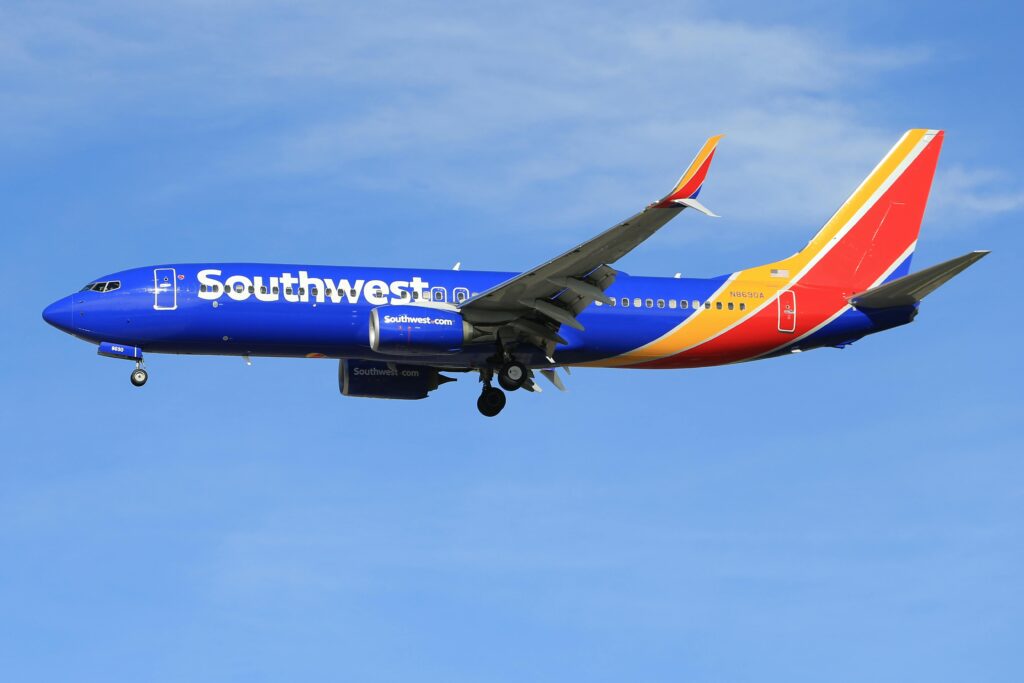
Southwest Airlines’ decision to abandon its iconic open- seating system has sparked a surge of client counterreaction, egging the carrier to reassess corridor of its recently introduced assigned- seating policy in early 2026.
The Dallas- grounded airline’s move, which was rolled out on January 27, 2026, was intended to contemporize the booking and boarding experience, but pious pamphlets have loudly expostulated to unintended consequences that have surfaced in the first weeks of operation. As complaints mounted across social media and trip forums, Southwest responded with advances aimed at addressing pain points and restoring trust among its most frequent passengers, as reported by the Dallas News.
The shift to assigned seating marks the end of further than five decades of the Southwest’s hand open- seating boarding, where passengers picked seats in a free- for- all formerly on board, as in machine or train service. The change also brought new chow packets with seat- selection options, from Basic to Extra legroom seats, and a revamped boarding group system, analogous to those offered by other airlines. But the excitement of predictable seating has been overshadowed by functional disunion that numerous feel contradicts the carrier’s long-standing character for friendly, hassle-free flight.
At the heart of the contestation is bin space and boarding inflow. Southwest’s outflow caddy issues arise from a mismatch between its recently assigned seating system and the aircraft’s original design, which was erected for a different approach. Under open seating, passengers could pick a row with available caddy space, which would naturally spread carry- ons across the cabin.
Assigned seating removes that choice. Now, some passengers with seats toward the hinder frequently board before and occasionally stow bags in forward lockers to avoid carrying them down the aisle. This leaves guests in front without space above their assigned row, forcing them either to move against boarding business to find an open caddy or to gate- check their bags, both of which can decelerate down departure and frustrate trippers.

Making effects worse, much of Southwest’s line has lower overhead lockers because the airline traditionally allowed two free checked bags, which lowered cabin demand. This design choice now conflicts with changing baggage programs and increased carry- on volumes.
guests have also raised concern about family seating. Where formerly parents and children could sit together naturally by boarding as a group, some families now find themselves separated because seats are automatically assigned without always grouping parties together.
Amid the counterreaction, Southwest conceded the hurdles and gestured adaptations are on the way. A Southwest prophet handed this statement in response to a comment request from Aeromantra In response to client feedback, Southwest is enriching how boarding groups are structured to ameliorate overhead caddy access near assigned seats, while still conserving the fast reversal times the airline is known for.
As reported by the Las Vegas Review- Journal, larger overhead lockers that can hold up to 50 further bags will be installed across utmost of the line by the end of 2026, and signage will be added to designate caddy space above extra-legroom seats.

These changes are designed to reduce the chaos reported on early breakouts. The airline also plans to tweak its boarding group sense to award fidelity and advanced- chow passengers with further harmonious access to preferred caddy space. The intent to balance pungency with fairness is a tricky equation given the scale of Southwest’s domestic network and volume of pamphlets. also, the airline is also moving the overhead caddy section devoted to cabin crew to the reverse of the aeroplane, which has caused a negative response from the flight attendants’ union.
Southwest’s shift to assigned seating reflects a broader metamorphosis afoot across the US airline assiduity. For times, carriers have reckoned on tiered fares, seat selection freights, and ancillary add- ons similar as early boarding and redundant legroom to drive profit. exploration indicates that numerous trippers, particularly business trippers, prefer the certainty of knowing their seat in advance to scrabbling to check in exactly 24 hours before departure. In that sense, Southwest’s move aligns it more nearly with assiduity morals, indeed if it represents a major artistic shift for the airline itself.
still, the seating overhaul is only one part of a wider strategic reset. The preface of baggage freights and recently structured chow packets marks a departure from the simplicity that formerly defined Southwest’s brand. For decades, the airline discerned itself with open seating, the cherished “ Bags Fly Free ” policy, and a straightforward pricing gospel. To numerous pious guests, the accretive effect of these changes signals a significant identity shift that risks eroding the distinctness that formerly set Southwest piecemeal from its challengers.
After further than 50 times of open seating bedded in diurnal routines, change will inescapably take time. Overall, if Southwest can maintain its friendly and effective character while successfully espousing a more traditional seating model, the change could strengthen its competitive edge.However, it risks getting just another airline in an decreasingly invariant request, If not. For additional operational briefings and the latest Airline News, monitor our dedicated aviation intelligence category.
Frequently Asked Questions
Why did Southwest Airlines end open seating?
Southwest ended its open-seating model in 2026 to introduce assigned seating and new fare bundles aimed at improving booking predictability and ancillary revenue.
What problems has Southwest’s assigned seating caused?
Passengers have reported overhead bin shortages, boarding delays, and families being separated due to the new seating system.
Will Southwest increase overhead bin space?
Southwest plans to install larger overhead bins across much of its fleet by the end of 2026 to address storage issues.
How long did Southwest use open seating?
Southwest operated with an open seating model for more than 50 years before switching to assigned seating.