


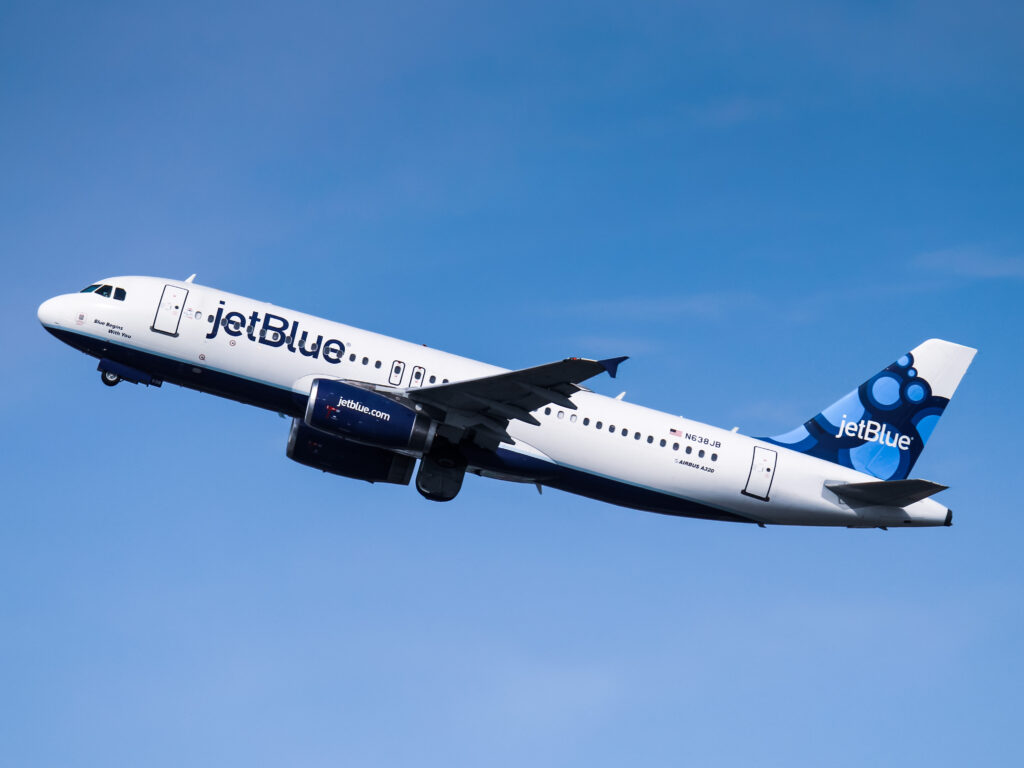
JetBlue Airways resumed flight operations Tuesday following a voluntary ground stop request submitted to the Federal Aviation Administration (FAA). The pause in activity impacted hundreds of scheduled departures, highlighting critical vulnerabilities in the carrier’s centralised dispatch and data synchronization protocols.
Preliminary reports suggest the stoppage originated from a localised internal technical failure rather than an external cyber threat. Aviation authorities confirmed that the airline requested the hold to address a disruption in their flight planning and communication systems, which are essential for maintaining safe separation and operational legality. This event occurs at a sensitive time as carriers face increased scrutiny over the resilience of their legacy IT infrastructure.

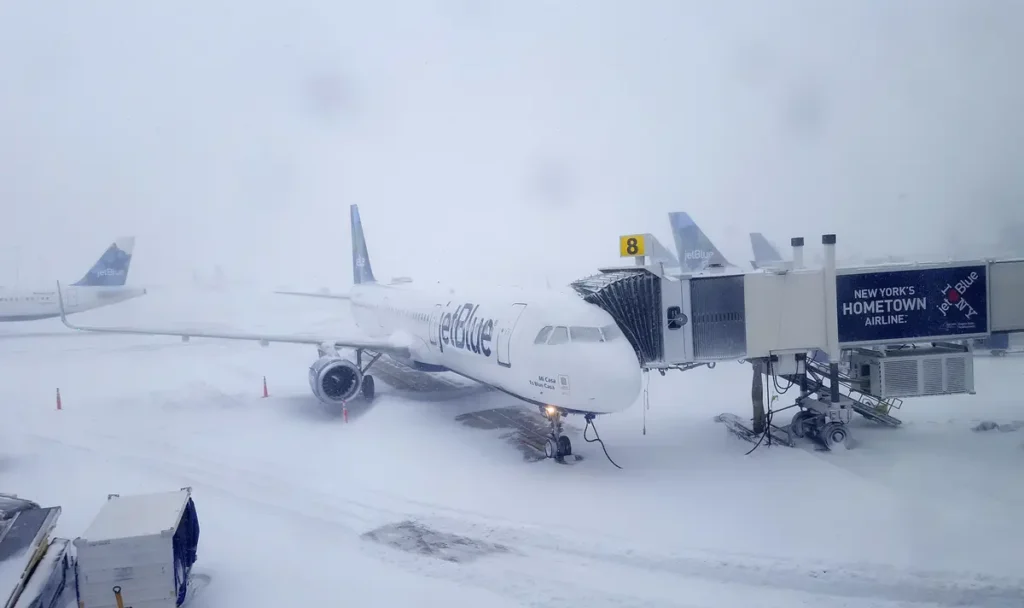
JetBlue has historically operated on a lean infrastructure model, frequently pushing high utilization rates for its Airbus A320 and A321 fleet. This ground stop follows a series of regional delays that suggest a deeper systemic strain on the airline’s internal network reliability and its ability to manage rapid recovery in the Northeast Corridor. The airline’s reliance on centralized data centers makes them susceptible to single-point failures that can paralyze a nationwide network.
OPERATIONAL IMPACT METRICS
- Initial Ground Stop Duration: 72 minutes (average across major hubs).
- Total Flights Affected: 164 delays and 22 cancellations within the first three hours.
- System Recovery Time: 4.5 hours for full schedule stabilization.
- Economic Impact: Estimated $1.8 million in direct operational losses and passenger compensation.
- Fleet Utilization: Currently averaging 11.8 block hours per aircraft daily.
From a technical perspective, the failure of secondary redundancy systems during peak operating windows suggests a breach in the carrier’s Disaster Recovery (DR) protocols. While the airline was able to restore connectivity relatively quickly, the need for a total ground stop indicates that their backup systems failed to transition seamlessly into a live environment. This lack of hot-swap capability is a significant concern for analysts monitoring the carrier’s long-term scalability.
When comparing this incident to the 2022 Southwest holiday collapse, JetBlue’s prompt FAA request indicates a proactive containment strategy. By stopping the clock early, they prevented a massive crew displacement crisis that often follows rolling delays. However, the optics of a total system freeze continue to damage consumer confidence in mid-tier carriers that lack the massive IT budgets of legacy competitors. This event serves as a stark reminder of the fragile nature of modern Airline News and the dependencies on automated dispatching.


The operational implication is a likely increase in regulatory oversight regarding airline IT infrastructure. The Department of Transportation (DOT) has signaled interest in mandating minimum redundancy standards for flight planning software. If these mandates come to fruition, JetBlue and similar carriers may face significant capital expenditure requirements to modernize their server farms and communication links to meet federal reliability benchmarks.
JetBlue’s current fleet strategy relies heavily on the ‘BlueCity’ hub model, specifically focusing on JFK, Boston Logan, and Fort Lauderdale. When a ground stop occurs, these high-density airports experience immediate gate congestion. This leads to a ‘ramp freeze’ where arriving aircraft cannot deplane, further complicating crew timing out issues under FAA Part 121 regulations. The logistical knot created by a 72-minute pause can take over 12 hours to fully untangle.
Economic analysts point to the rising cost of ‘grounded minutes’ for narrow-body aircraft. With fuel prices and labor costs fluctuating, an idle A321ceo costs the company approximately $85 per minute in lost opportunity and fixed overhead. The decision to halt operations is never taken lightly and usually signifies that the dispatcher’s ability to verify weight and balance or weather routing has been completely compromised.
Safety protocols dictate that no aircraft may depart without an active, validated flight plan transmitted via the Aircraft Communications Addressing and Reporting System (ACARS). Without the backend server stability to push these packets, the cockpit remains dark regarding updated NOTAMs and fuel requirements. JetBlue’s decision to ground the fleet was the only compliant path forward under current safety management systems (SMS).
Moving into the next fiscal quarter, investors will be looking for specific line items in JetBlue’s earnings report dedicated to ‘Digital Transformation’ and ‘System Hardening.’ The carrier cannot afford frequent repetitions of this failure if it intends to compete on premium transcontinental routes where reliability is the primary product sold to corporate travelers.
For additional operational briefings and the latest Airline News, monitor our dedicated aviation intelligence category.
FAQ
Q1. Why did JetBlue issue a ground stop?
JetBlue requested a voluntary ground stop after an internal technical failure disrupted its flight planning and communication systems.
Q2. How many flights were affected by the JetBlue ground stop?
Initial reports indicate approximately 164 delays and 22 cancellations within the first few hours of the disruption.
Q3. How long did the JetBlue ground stop last?
The ground stop averaged around 72 minutes across major hubs before operations gradually resumed.
Q4. Was the JetBlue outage caused by a cyberattack?
Preliminary information suggests the disruption was caused by an internal technical failure rather than an external cyber threat.
Q5. Why are airline dispatch systems critical for flight operations?
Dispatch systems manage flight plans, weather routing, fuel calculations, and regulatory compliance, making them essential for safe and legal aircraft departures.