

LOS ANGELES, On March 8, 2026, a United Airlines Boeing 787-9 Dreamliner taxied onto Runway 25R at Los Angeles International Airport (LAX) without authorization, forcing a United Boeing 737 MAX 9 on short final approach to execute an immediate go-around. The incident occurred during a period of high-density operations, highlighting the persistent risks associated with pilot deviation and surface movement management in complex terminal environments.

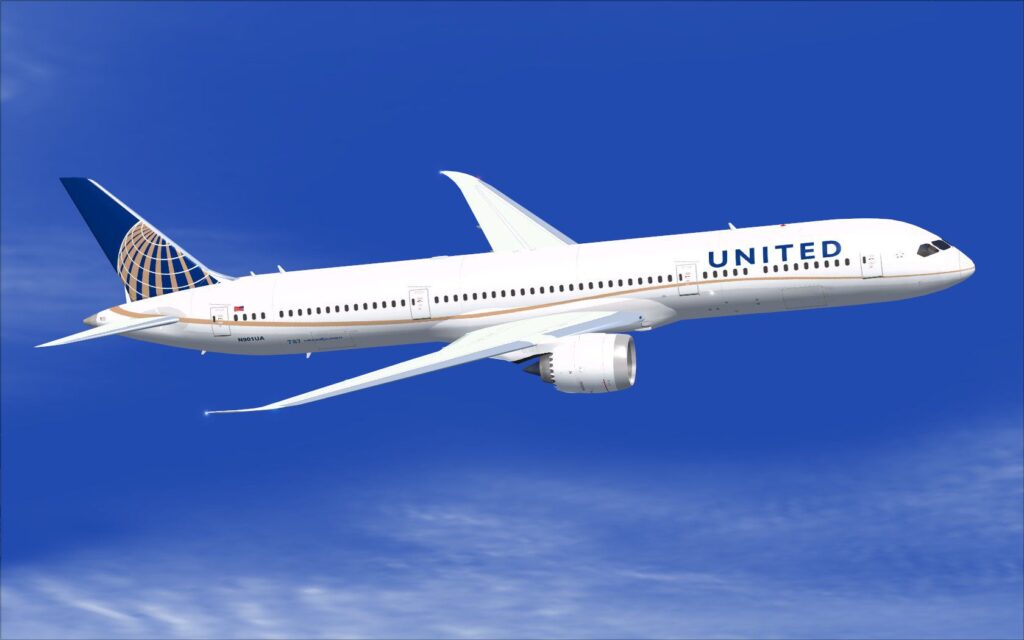
The Boeing 787, operating as Flight UA181 destined for Tokyo-Narita, crossed the hold-short line while Flight UA1089 from San Francisco was descending through 300 feet on the same runway. BACKGROUND: Los Angeles International Airport is historically recognized for its complex four-runway configuration, divided into the North and South complexes.
The South complex, where the incident occurred, consists of Runways 25L and 25R. This area is a known high-risk zone for runway incursions due to the necessity of crossing active arrival runways to reach departure thresholds. Following a series of global safety summits in 2024 and 2025, the FAA has increased its focus on ‘close calls,’ implementing enhanced surface awareness technologies. The March 2026 event at LAX represents a Category A or B incursion depending on the final separation distance determined by the National Transportation Safety Board (NTSB).
Flight UA181 (Boeing 787-9, N24976) crossed the Runway 25R threshold at 10:14 local time.
Flight UA1089 (Boeing 737 MAX 9, N17540) was approximately 0.7 miles from the threshold at an altitude of 280 feet when the go-around was initiated.
LAX recorded 1,450 daily movements during this period.
ASDE-X (Airport Surface Detection Equipment, Model X) triggered an immediate alert in the tower 4.2 seconds after the hold-short violation.

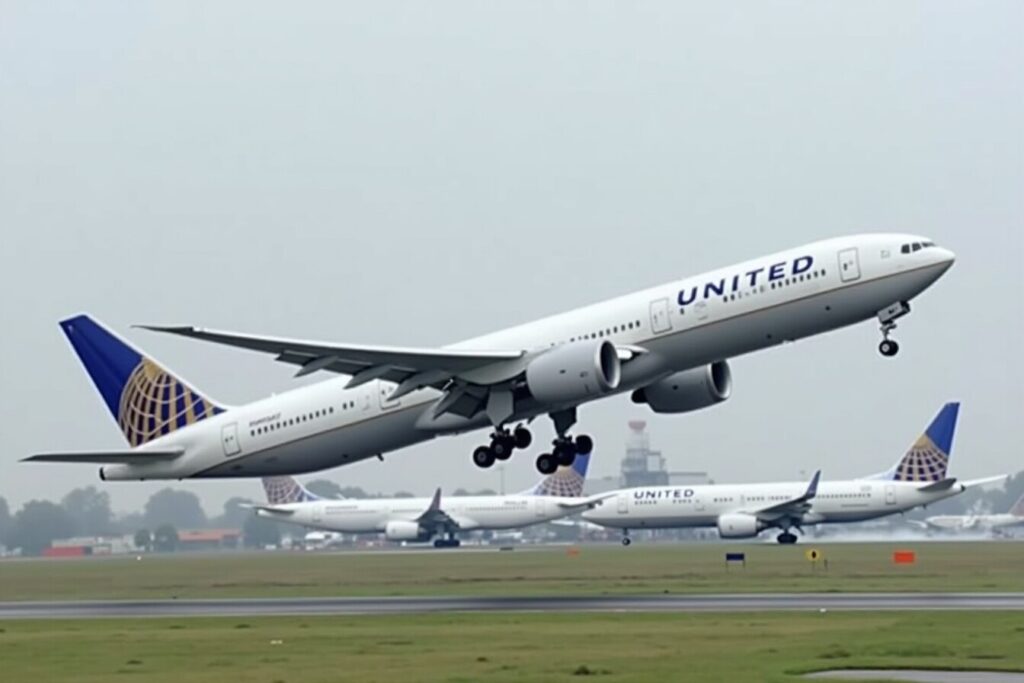
The primary failure point in this event is the breakdown of Threat and Error Management (TEM) within the Boeing 787 flight deck during the transition from the taxiway to the active runway environment. Operational commanders frequently review Airline News briefings to adjust taxi-out-time estimates and fuel load requirements following major hub disruptions.
The deviation suggests a possible loss of situational awareness regarding the ‘hold short’ instruction, which is a mandatory safety barrier. Contextually, this incident mirrors the 2023 Austin-Bergstrom near-miss, though the visibility conditions at LAX were reported as clear, removing meteorological factors from the primary causal list. The operational implication is an immediate review of United’s ‘sterile cockpit’ compliance and taxi procedures specifically for long-haul crews transitioning from gate to runway.
The prevention of a collision was largely due to the Airport Surface Detection Equipment, Model X (ASDE-X) and its integrated Runway Intersection Monitoring and Conflict Alert System (RIMCAS). These systems use a combination of surface primary radar, multilateration, and ADS-B data to track every vehicle and aircraft on the airport surface. When UA181 entered the protected box of Runway 25R, the system generated a visual and aural alert for the local controller. The latency between the physical incursion and the controller’s instruction to UA1089 to ‘go around’ was less than five seconds, demonstrating the efficacy of automated surveillance in high-stakes environments.
Investigating the human factors involves looking at the workload of the UA181 crew. The 787-9 is equipped with Electronic Flight Bags (EFBs) that provide real-time surface maps with aircraft positioning. Despite these technological aids, the pilot-in-command failed to arrest the forward motion of the aircraft before the hold-short line. This suggests a potential ‘expectation bias,’ where the crew may have anticipated a ‘cleared for takeoff’ or ‘line up and wait’ instruction before it was actually issued. The NTSB will likely examine the cockpit voice recorder (CVR) to determine if the crew was engaged in non-essential duties or if there was a misunderstanding of the Air Traffic Control (ATC) phonetic instructions.
LAX operates at near-peak capacity for much of the day. The South complex is particularly sensitive to delays. When a go-around occurs, it disrupts the flow of the entire complex, as the missed approach must be integrated back into the arrival stream, often crossing the departure paths of Runways 25L and 24R. The fuel burn for a Boeing 737 MAX 9 performing a go-around and a second approach is estimated at 400 to 600 pounds, representing a direct operational cost. However, the safety margin provided by the immediate go-around is immeasurable compared to the potential hull loss and life safety risk.
The aviation industry has seen a fluctuating trend in runway incursions over the last decade. While total numbers have stabilized, the severity of the ‘near-miss’ category has caused alarm within the FAA. Data suggests that 60 percent of all incursions are caused by pilot deviations. To combat this, airports are increasingly looking at ‘Runway Status Lights’ (RWSL), which provide a direct visual signal to pilots through red lights embedded in the pavement. LAX has these lights, and the investigation will confirm if they were operational and if the UA181 crew observed them.

From a dispatch perspective, an incident of this magnitude triggers a series of ‘Level 1’ notifications. The flight dispatcher for UA181 had to coordinate with maintenance and safety officers to pull the crew from duty upon arrival in Tokyo or at the next available port. The dispatch for UA1089 had to account for the increased fuel burn and potential gate delays at LAX. These logistical ripples affect the entire network, demonstrating how a single pilot error on the ground can impact flight schedules thousands of miles away.
Moving forward, the industry is looking at cockpit-based alerting systems that would warn pilots directly of an impending runway incursion, similar to how TCAS (Traffic Collision Avoidance System) works in the air. Current technology relies on the controller as the middleman. By giving the UA181 crew a direct ‘Stop’ alert in the cockpit based on GPS and runway database alignment, the 4.2-second delay in tower notification could be reduced to near-zero. This event will likely accelerate the adoption of such technologies across major US carriers.
Beyond the immediate safety risks, pilot deviations carry significant economic weight. United Airlines may face fines, and the cost of the subsequent NTSB and FAA investigations is substantial. Furthermore, the reputational risk associated with high-profile near-misses can influence consumer confidence. Operational analysts use these events to refine training simulators, ensuring that ‘taxiing’ is treated with the same level of technical focus as the ‘takeoff’ and ‘landing’ phases of flight.
For additional operational briefings and the latest Airline News, monitor our dedicated aviation intelligence category.