


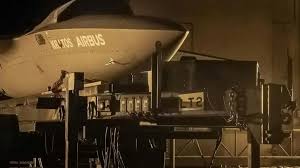
BRUSSELS, Airbus is accelerating the deployment of its Uncrewed Collaborative Combat Aircraft (UCCA) system to meet a 2029 operational deadline for the German Air Force. The program centers on the integration of two Kratos XQ-58 Valkyrie airframes with the European-developed Multiplatform Autonomous Reconfigurable and Secure (MARS) mission system. This hybrid approach utilizes a proven American flight platform to host sovereign European software, bypassing the decade-long lead times typically associated with clean-sheet airframe development.
The initiative, headquartered at the Airbus facility in Manching, represents a fundamental shift in European defense procurement strategy. Traditionally, the continent has favored domestic manufacturing for both hardware and software components. However, the current security environment in Eastern Europe has compressed procurement timelines, forcing a move toward modularity where mission-critical systems are prioritized over airframe origin. The maiden flight of the MARS-equipped Valkyrie is scheduled for late 2026.
- Target Operational Date: 2029
- Platform Origin: Kratos Defense & Security Solutions (NASDAQ: KTOS)
- Mission System: Airbus MARS (Multiplatform Autonomous Reconfigurable and Secure)
- AI Architecture: MindShare Distributed Software Brain
- Integration Hub: Manching, Germany
- Primary Goal: Attritable wingman capability for manned fighter fleets

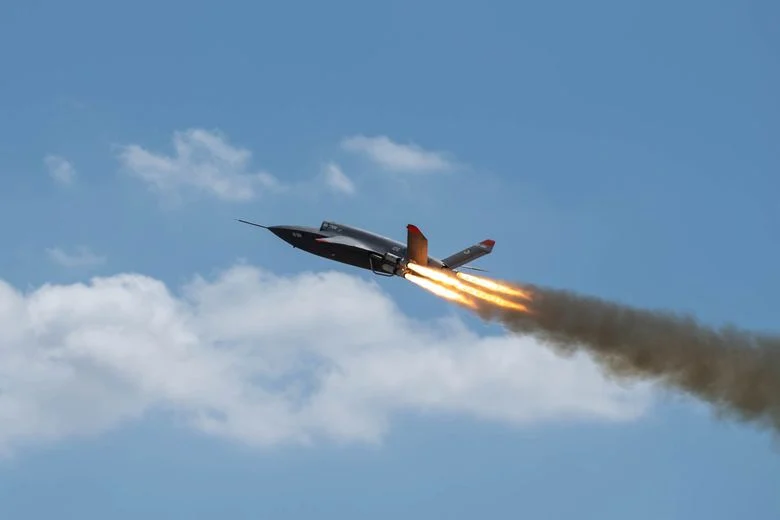
Technical analysis indicates that the MARS system is designed to function as a hardware-agnostic layer. By utilizing the MindShare AI component, the system distributes processing power across multiple nodes in a mission group.
This ensures that if a single UCCA is neutralized, the remaining units retain the collective tactical intelligence of the formation. The system effectively replaces the human pilot with a decentralized digital nervous system capable of high-speed decision-making in contested electronic warfare environments.
From a fleet economics perspective, the use of the Valkyrie platform significantly lowers the entry barrier for mass-scale deployment. These aircraft are classified as “attritable,” meaning they are built for high-performance combat but priced at a fraction of the cost of a crewed Eurofighter or F-35. This economic model allows the German Air Force to project power through mass rather than relying solely on a limited number of high-value assets. While logistics experts in the broader Airline News sector monitor these developments for future autonomous cargo applications, the immediate focus remains on sovereign defense capabilities.
The strategic observation here is the decoupling of software sovereignty from hardware manufacturing. By adopting the Valkyrie, Airbus acknowledges that flight control and aerodynamic stability are solved problems, allowing engineering resources to be redirected toward AI-driven mission management. This is a departure from previous decades where airframe design consumed the bulk of research and development budgets.
Operationally, the integration of UCCAs will redefine the role of the human pilot from a tactical operator to a mission commander. In a standard engagement, a single crewed aircraft may oversee four to six autonomous units, which serve as forward sensor nodes or weapons platforms.
This reduces the risk to human life while extending the sensor reach of the squadron by hundreds of miles. The MARS system ensures that these communications remain encrypted and resistant to jamming through reconfigurable data links.
The long-term viability of the Airbus UCCA depends on the scalability of the MindShare architecture. For Germany, the 2029 target is not merely a goal but a requirement for maintaining parity with evolving threats.
The transition to software-defined combat aircraft mirrors the broader digital transformation seen in civil aviation, where flight management systems and predictive maintenance now dictate operational efficiency. By leveraging an existing flight-tested platform, Airbus is effectively de-risking the program’s kinetic elements to focus on the cognitive superiority of the MARS system.
Infrastructure requirements at Manching are being upgraded to support the rapid prototyping and testing of these autonomous systems. This includes specialized hangars for AI calibration and secure data processing centers. The facility is expected to serve as the blueprint for future European collaborative combat programs, including the long-term Future Combat Air System (FCAS). The move also solidifies the industrial partnership between Airbus and Kratos, signaling a more pragmatic approach to transatlantic defense cooperation.
For additional operational briefings and the latest Airline News, monitor our dedicated aviation intelligence category.