


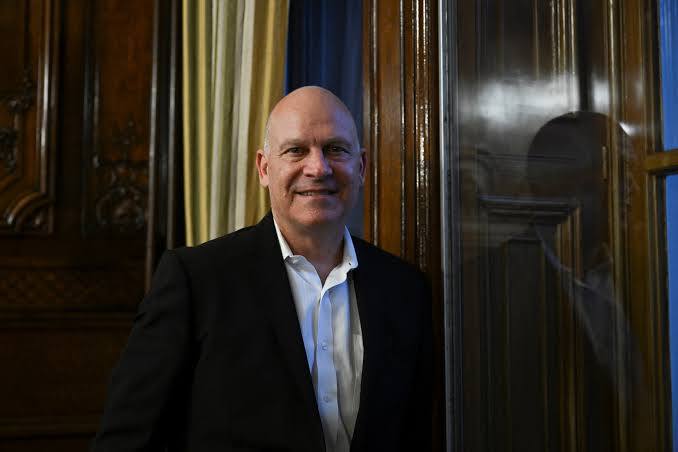
As Campbell Wilson’s Air India tenure winds down and IndiGo’s Pieter Elbers has already walked, a quiet but pointed question hangs over Indian skies — was the foreign CEO experiment worth it, and is it ending by design?
The rumours swirling around Campbell Wilson’s departure from Air India are not exactly a surprise. Murmurs around his diminishing authority had started as far back as mid-2025, when he quietly stepped down as Chairman of Air India Express — a move that seasoned industry watchers read as an unmistakable signal of what was coming. Now, with Wilson set to complete four years in July and expected to stay on only till September, the question is no longer if he leaves, but what comes next — and whether the pattern forming across India’s two largest airlines reflects something more deliberate than coincidence.
Because this isn’t an Air India story alone. It is a story about Indian aviation at an inflection point.
The Wilson Chapter: Transformation Under Fire
To be fair to the New Zealander, Campbell Wilson walked into a near-impossible situation. Wilson was not even the Tata Group’s first choice — that honour reportedly went to a high-profile international name who eventually declined. Wilson, recruited from Scoot in 2022, inherited a battered national carrier and immediately launched Vihaan.AI — an ambitious five-year transformation roadmap that promised to rebuild Air India from the inside out.

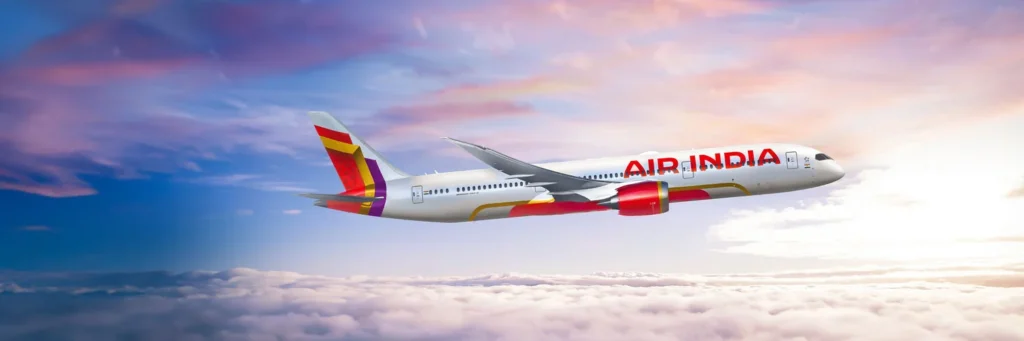
There was genuine early momentum. Fleet orders were placed, cabin upgrades announced, and the airline’s brand positioning shifted decisively upmarket. Yet the clouds gathered quickly. Supply chain disruptions and massive backlogs in aircraft deliveries constrained growth, leaving the operating fleet frustratingly flat through much of the transformation window. Then came the devastating Ahmedabad crash in June 2025, which cast a long shadow over the airline’s ongoing reinvention. Regulatory scrutiny intensified. Momentum stalled. And quiet boardroom conversations grew louder.
The appointment of a separate CEO for Air India Express — mid-transformation — was widely read as a structural vote of no-confidence. For a leader tasked with rebuilding an entire airline group, it was a difficult optic to manage, regardless of the official narrative.
The IndiGo Parallel: A Far More Turbulent Exit
If Wilson’s anticipated departure is being handled with characteristic Tata Group discretion, the exit of IndiGo’s Pieter Elbers in March 2026 was anything but quiet. The Dutch aviation veteran had arrived in 2022 with a compelling mandate — to transform IndiGo from a domestic low-cost powerhouse into a genuine global aviation player. He delivered on the ambition in parts: a record 500-aircraft Airbus order, the crossing of the $10 billion revenue threshold, and a credible international expansion story.
But India humbled him in the end. Between December 3 and 5, 2025, IndiGo cancelled over 2,500 flights and delayed nearly 1,900 others, stranding more than 300,000 passengers — a catastrophic operational failure rooted in the airline’s inability to plan adequately for new DGCA pilot duty time regulations. The regulator responded with the highest fine ever imposed on an Indian airline, and issued personal show-cause notices to senior leadership, including Elbers himself.
His resignation, framed around “personal reasons,” followed swiftly. Co-founder Rahul Bhatia stepped back in as Interim CEO. The return of a founding Indian promoter to operational control of the country’s largest airline was as symbolic as it was practical. The foreign CEO era at IndiGo is over.
A Pattern, or a Policy?
Here is where the strategic reading becomes genuinely interesting. Within weeks of each other, both of India’s largest airlines are either between foreign CEOs or heading there. Both foreign chiefs arrived in the same year, under transformation mandates, and both faced crises that — fairly or not — raised pointed questions about their contextual grasp of India’s regulatory, operational, and cultural aviation environment.
Is there a quiet but deliberate push — by India Inc., and perhaps the Indian government — to bring Indian leaders to the helm of Indian airlines?
The circumstantial evidence is hard to dismiss. India’s civil aviation ministry has grown increasingly assertive about capacity discipline, safety oversight, and operational accountability. The DGCA’s unprecedented action against IndiGo signalled regulatory impatience with leadership — foreign or domestic — that misreads India’s ground realities. And the Tata Group, now four years into Air India ownership, is clearly looking for the next phase to be led with deeper institutional accountability and sharper local instincts.
There is a compelling case for Indian leadership here. The country’s aviation market is no longer simply growing — it is becoming structurally complex. Slot constraints at congested airports, evolving duty time regulations, a fiercely price-sensitive passenger base, and geopolitical pressures like Pakistan’s sustained airspace closure all demand leaders with an almost intuitive grasp of how India works. That intuition is hard to import.
The Stakes Going Forward
The successor to Campbell Wilson at Air India will inherit both the upside of a transformation now beginning to bear fruit and the weight of a crash that reshaped public perception. Fleet deliveries remain behind schedule. Customer-facing improvements are only now becoming visible. The new CEO — whoever they are — must accelerate what Wilson started while navigating a far less forgiving environment.
At IndiGo, the pressure is equally existential. The board has signalled a permanent CEO announcement is imminent. Whoever takes the seat must operationalise Elbers’ grand ambitions without the operational chaos of December 2025 ever recurring.
The rumour swirling around Wilson’s exit is really a much larger story: Indian aviation, now carrying hundreds of millions of passengers a year and competing on global routes, may be quietly deciding it needs leaders who don’t just understand the destination — but who have always called it home.
Wilson deserves genuine credit for steering Air India through its most turbulent post-privatisation years. But the runway ahead demands a different kind of pilot. The cockpit is changing hands.
The question is simply — to whom?