

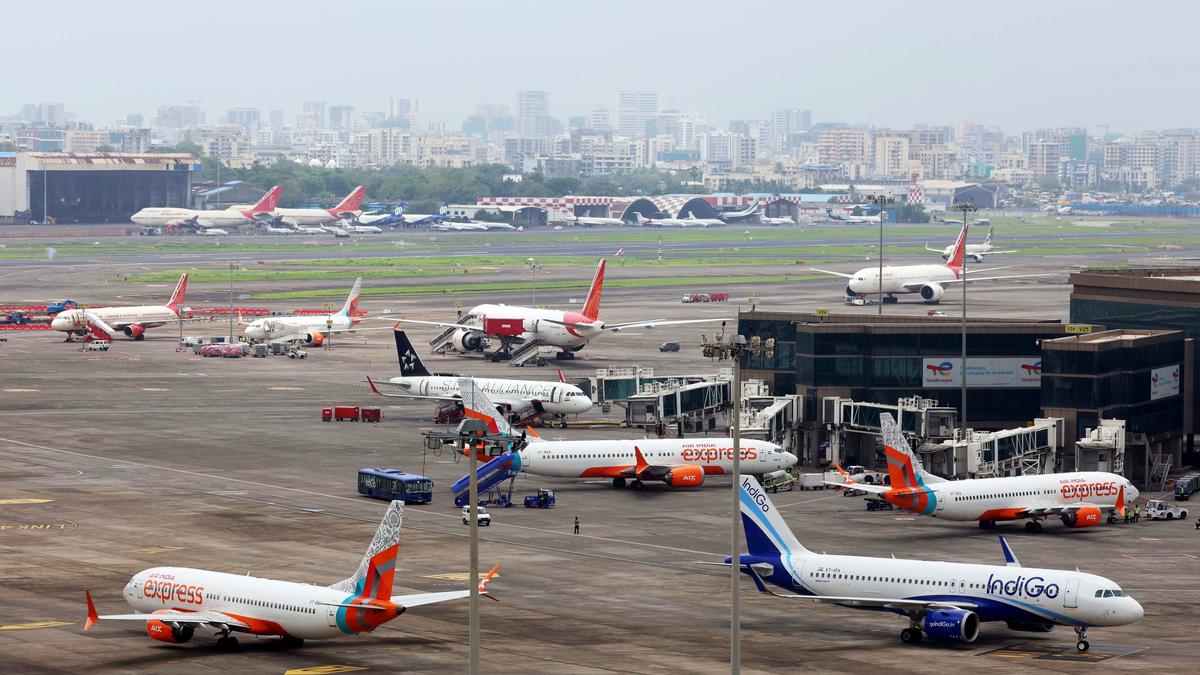
India’s aviation industry has rarely enjoyed calm skies for long. Just as passenger numbers recover strongly and airport infrastructure expands, a fresh wave of economic and geopolitical headwinds is challenging airline profitability. There’s always something going on in the world and it affects the sector. Rising aviation turbine fuel (ATF) prices, a weakening rupee and airspace disruptions linked to West Asian tensions are collectively squeezing an already cost-sensitive sector.
Fuel remains the single largest expense for Indian carriers, often accounting for 35–45% of operating costs. After a brief phase of relative stability, ATF prices have climbed again, tracking major irregularities in global crude markets.
The ongoing tensions in West Asia are adding another layer of uncertainty for airlines worldwide. For Indian carriers, the region is not only a major destination market but also a crucial transit corridor connecting India to Europe and North America. When conflicts escalate and airspace restrictions are imposed, flights are often forced to take longer alternate routes. This increases fuel burn, extends flight times and raises operational costs at a time when aviation turbine fuel prices are already volatile. The result is a double pressure on airlines: higher fuel expenses and reduced efficiency. For a sector already operating on tight margins, even small disruptions in such strategic airspace can quickly translate into significant financial strain.
For airlines that operate on thin margins, even a modest rise in fuel costs can significantly erode profitability. Unlike some global peers, Indian carriers have limited fuel hedging cushions, that means the prices spike quickly.
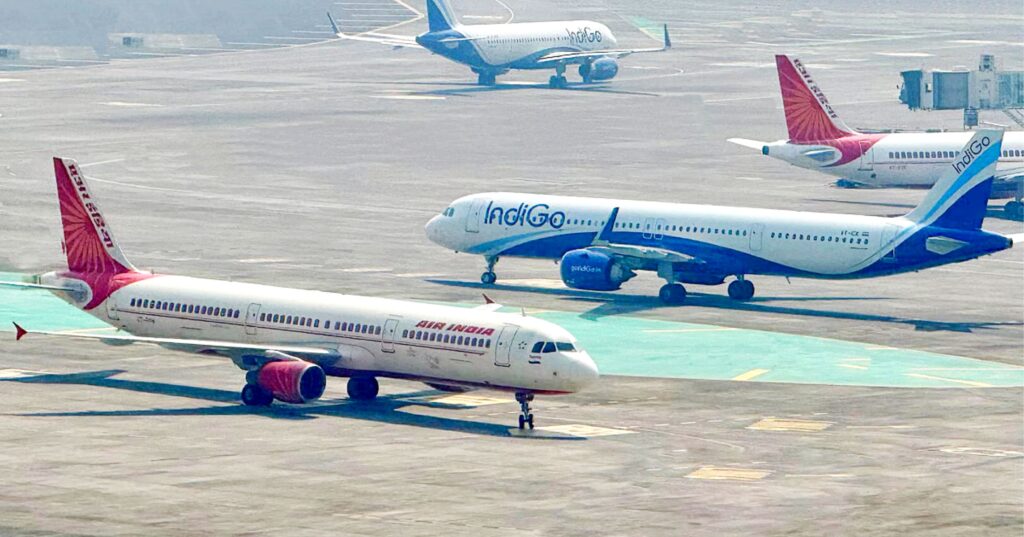
India’s market is intensely price-sensitive, dominated by leisure and value-conscious travellers. Aggressive fare hikes risk dampening demand or triggering competitive price wars.
As a result, airlines are forced to absorb a part of the cost escalation, narrowing margins further and eventually ending up in loss.
If we get into it deeply, A significant portion of airline expenses, including aircraft leases, maintenance contracts, spare parts and insurance is denominated in US dollars. When the rupee weakens, these dollar-linked payments become more expensive in local currency terms. This creates a structural imbalance: revenues are largely earned in rupees, while major costs are tied to foreign currency.
For airlines that are expanding and adding new aircraft, the impact of currency fluctuations becomes even more intense. Most airlines do not purchase planes outright; instead, they lease them, and these lease payments are typically made in US dollars. When the rupee weakens against the dollar, airlines are forced to pay more in rupee terms for the same aircraft.
Geopolitical tensions in West Asia have added another layer of operational complexity. The region is critical for Indian aviation, serving as both a destination market and a transit corridor to Europe and North America. Airspace restrictions and rerouting increase flying time, fuel burn and crew costs.
The months ahead will hinge on three variables: fuel price stability, rupee-dollar movements and geopolitical de-escalation. Until then, Indian aviation finds itself balancing ambition with caution flying high on demand, but navigating turbulence on the balance sheet.
FAQs: Indian Aviation Fuel Crisis & West Asia Airspace Impact
Why are aviation fuel prices rising in India?
Aviation Turbine Fuel (ATF) prices in India are rising due to fluctuations in global crude oil markets and refining costs. Since ATF accounts for nearly 35–45% of airline operating expenses, even small price increases can significantly impact airline profitability.
How do West Asia conflicts affect airline routes?
Conflicts in West Asia often lead to airspace closures and safety advisories, forcing airlines to reroute flights. These longer routes increase fuel burn, flight duration and operational costs, making flights more expensive for airlines to operate.
Why is the Indian aviation industry vulnerable to currency fluctuations?
Many airline expenses such as aircraft leases, maintenance contracts and spare parts are paid in US dollars. When the Indian rupee weakens, airlines must spend more in local currency to cover the same dollar-denominated costs.
Can Indian airlines pass rising fuel costs to passengers?
Airlines can increase ticket prices to offset higher fuel costs, but India’s aviation market is highly price-sensitive. Large fare hikes may reduce passenger demand or trigger aggressive price competition among airlines.
What challenges will Indian aviation face in 2026?
The industry is expected to face three major challenges: volatile aviation fuel prices, rupee–dollar exchange rate pressure, and geopolitical disruptions affecting key international air corridors.
 Anshum Raj
  Priyanshu Gautam
  Aastha Choudhary