

SEATTLE, Boeing (NYSE: BA) secured critical regulatory clearance Tuesday to acquire Spirit AeroSystems, stabilizing its supply chain amidst new widebody demand.
The Federal Trade Commission (FTC) finalized a consent order February 17, allowing the $8.3 billion reintegration to proceed. This regulatory win coincides with major commercial victories, including a landmark widebody order from Delta Air Lines.
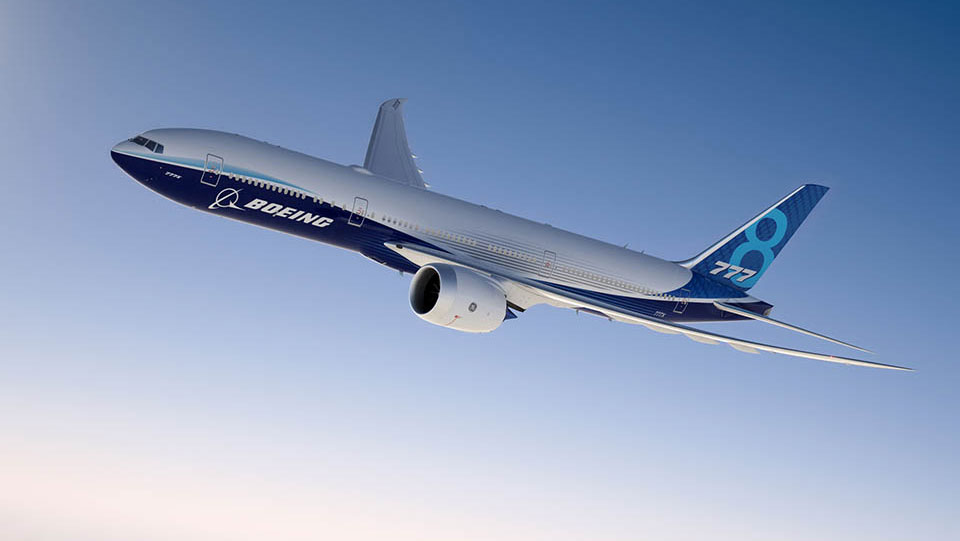
However, persistent propulsion challenges with the 777X program continue to pressure the manufacturer’s delivery timelines and cash flow projections.
Investors must now weigh long-term vertical integration benefits against immediate production hurdles and certification delays.
The Spirit Reintegration
The FTC’s unanimous approval reshapes Boeing’s industrial footprint, effectively reversing its 2005 divestiture of Wichita operations.
Who: Boeing reacquires Spirit AeroSystems, its primary aerostructures supplier for the 737 MAX and 787 Dreamliner programs.
How: The consent order mandates Boeing divest specific Spirit assets supplying Airbus to preserve market competition.
Why: Control is the objective.
Direct ownership allows Boeing to dictate quality standards and production rates for critical fuselage components.
“Vertical integration eliminates friction costs and improves rapid response to quality escapes,” notes aviation analyst Sarah Jenkins.
Boeing aims to reduce travelled work and fuselage defects that plagued 737 MAX output throughout 2024 and 2025.
Investors should monitor the integration timeline, as operational synergies will take 12 to 18 months to materialize.
Commercial Order Surge
Demand for widebody aircraft remains robust, validating Boeing’s product strategy despite narrowbody production constraints.
Delta’s Strategic Pivot:
Delta Air Lines finalized a firm order for 30 Boeing 787-10 Dreamliners on January 13, 2026.
The deal includes options for 30 additional jets, marking Delta’s first direct 787 order.
This move diversifies Delta’s long-haul fleet, historically reliant on Airbus A350 and A330neo airframes.
Deliveries for Delta generally begin in 2031, signaling long-term confidence in Boeing’s composite manufacturing maturity.
Air Astana’s Expansion:
Kazakh flag carrier Air Astana converted a prior commitment into a firm order for 15 787-9s this week. The airline will lease three additional Dreamliners, targeting a fleet of 18 units to support Central Asian growth.
First deliveries are scheduled for late 2026, providing immediate backlog reinforcement.
These contracts inject vital capital into Boeing’s commercial division, offsetting deferred revenue from the stalled 777X program.
The 777X Reality Check
While the Dreamliner program stabilizes, the flagship 777X faces continued technical headwinds affecting entry-into-service (EIS) targets.
Boeing confirmed on January 27, 2026, that EIS has slipped to 2027.
The delay stems partly from a newly identified durability concern with the GE Aerospace GE9X engine. Engineers discovered a seal issue during routine inspections in late January.
Boeing CEO Kelly Ortberg stated the issue would not alter the 2027 timeline, but scrutiny remains high.
“The margin for error on 777X certification is zero,” warns propulsion expert Dr. Aris Vlahos.
Production flight tests for launch customer Lufthansa are slated to resume in April 2026.
Any further technical discoveries during these trials could push deliveries into 2028, severely impacting free cash flow.
The Spirit deal and new orders alter the valuation thesis for NYSE:BA.
Bull Case:
Supply chain control reduces 737 MAX unit costs and stabilizes monthly production rates.
Dreamliner orders from blue-chip carriers like Delta prove the 787’s market dominance is intact.
Bear Case:
The 777X program consumes cash without generating delivery payments until 2027.
Divesting Spirit’s Airbus-related assets may prove complex and dilute the acquisition’s immediate financial value.
Boeing reported a $2.2 billion profit for Q4 2025, but sustained profitability depends on delivery volume.
Investors should track monthly delivery numbers and 777X flight test data to gauge execution risk.
The supply chain is tightening, but the production ramp remains the critical variable for stock performance.
 Vibhuuti Goyal
  Shaifali