

SYNOPSIS
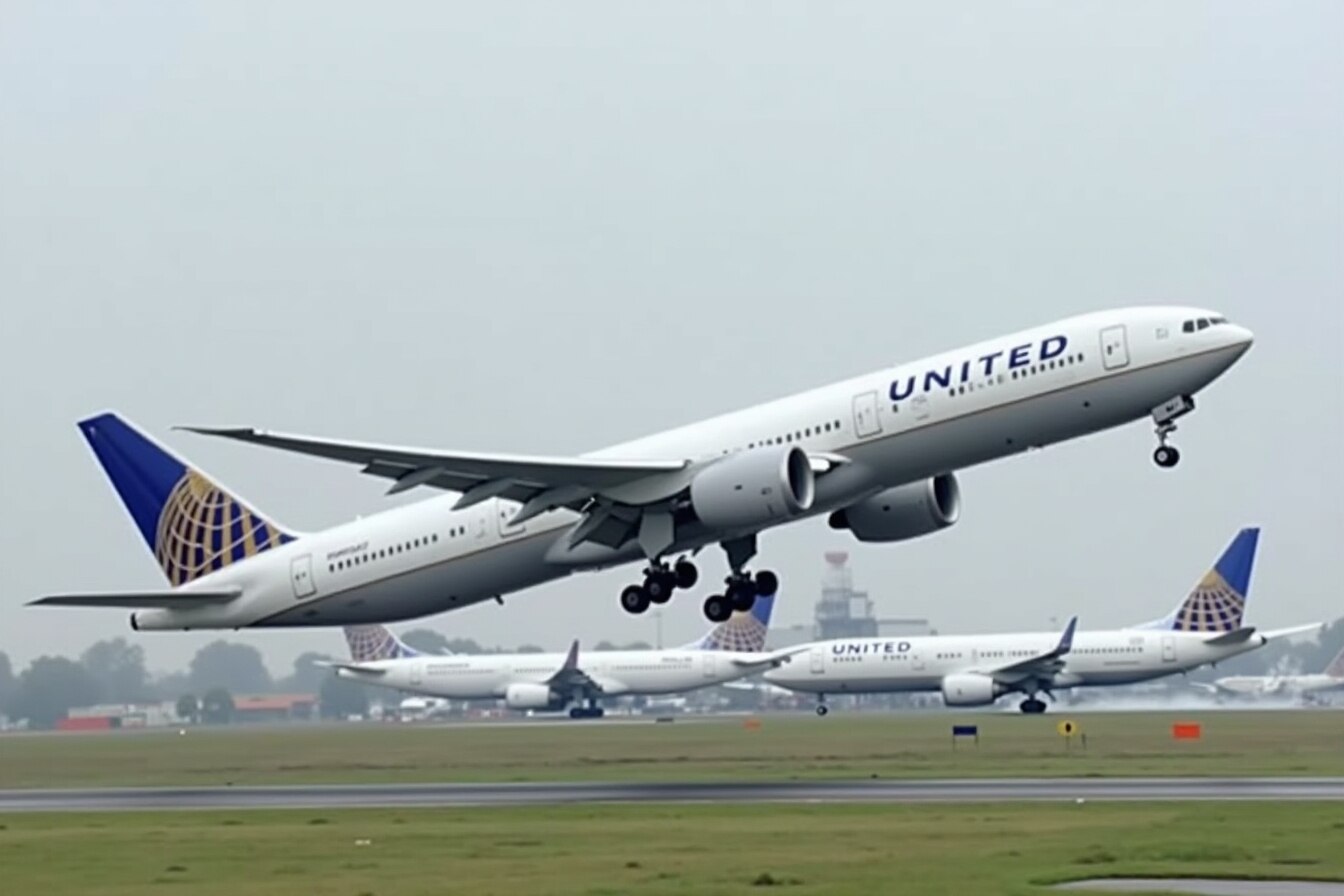
United Airlines will expand its Pacific network this summer by launching daily service between San Francisco and Tahiti. The carrier plans to deploy Boeing 787-9 Dreamliners on the route starting late June 2026. This move solidifies United’s position as the dominant U.S. airline serving French Polynesia from the West Coast.
United Airlines confirmed it will increase flight frequencies between San Francisco International Airport (SFO) and Faa’a International Airport (PPT) in Papeete. Beginning June 29, 2026, the Chicago-based carrier will operate daily nonstop flights. This schedule replaces the current five-times-weekly service.
Regulators must still approve the additional frequencies. However, United has already opened reservations for the new flights. The airline will utilize its Boeing 787-9 Dreamliner for the eight-hour crossing. Flight UA115 departs San Francisco at 1:25 PM and arrives in Tahiti at 6:55 PM. The return leg, UA114, leaves Papeete at 9:10 PM and lands in California at 8:20 AM the following morning.
The decision reflects surging leisure demand for South Pacific destinations. United originally launched this route in October 2018 as a seasonal experiment. Strong ticket sales quickly converted it to a year-round service by March 2019. The move to daily operations marks the route’s most significant capacity increase to date.
Market Dynamics
United faces specific competitive pressures on this route. French low-cost carrier French Bee also flies nonstop between SFO and Papeete. However, United remains the only U.S. legacy carrier operating the direct link from the Bay Area. Other competitors like Delta Air Lines and Air Tahiti Nui funnel passengers through Los Angeles. United bets that San Francisco offers a superior gateway for connecting travelers from across North America.
Hardware Strategy
The choice of the Boeing 787-9 is deliberate. The aircraft carries 257 passengers in a three-class configuration. This includes 48 Polaris business class pods, 21 Premium Plus seats, and 188 economy seats. High-yield leisure travellers aggressively book premium cabins on long-haul resort routes. The 787-9 allows United to capture this specific demographic more effectively than high-density competitors.
Aviation analysts view this expansion as a direct response to post-pandemic travel patterns. Premium leisure travel has recovered faster than corporate business travel. Airlines now prioritize “sun and sand” destinations that command high fares. United’s network planners identified Tahiti as a market capable of absorbing a 40% capacity increase without diluting ticket prices.
Strategic Implications
Daily service secures United’s foothold in the South Pacific. It blocks potential entrants from seizing market share during peak season. The consistency of a daily schedule also simplifies logistics for cargo and tour operators. This reliability often stimulates further demand from luxury travel agencies.
Success on the SFO-PPT route could trigger further expansion. United might evaluate other underserved Pacific islands for direct service. The airline currently serves destinations like Guam and Micronesia, but Tahiti acts as a flagship leisure route. Continued strong performance here proves the viability of ultra-long-haul leisure flights.
Travelers will gain more flexibility with departure dates. The increase in seats may also stabilize fares during the busy summer months. However, the primary win for consumers is connectivity. Daily flights ensure that a mechanical issue or cancellation does not strand passengers for days. This reliability remains a critical selling point for premium travelers.
 Olive Arthur
  Anshum Raj