

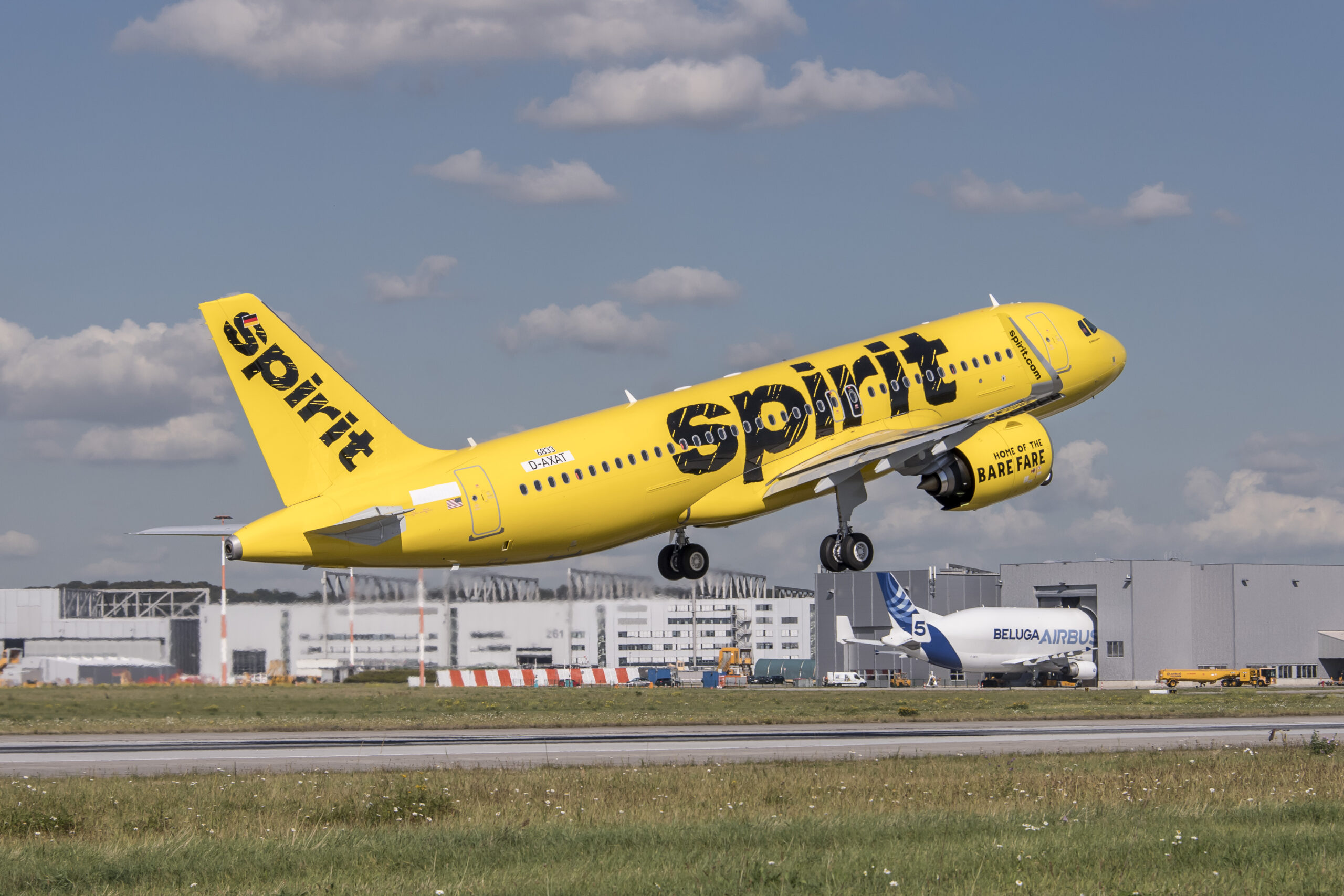
Spirit Airlines has initiated a significant withdrawal from the international sector, terminating ten prominent routes from its Florida hubs. This tactical contraction responds to ongoing Pratt & Whitney engine complications and a broader requirement to stabilize unit revenue amid a shifting ultra-low-cost carrier (ULCC) environment.
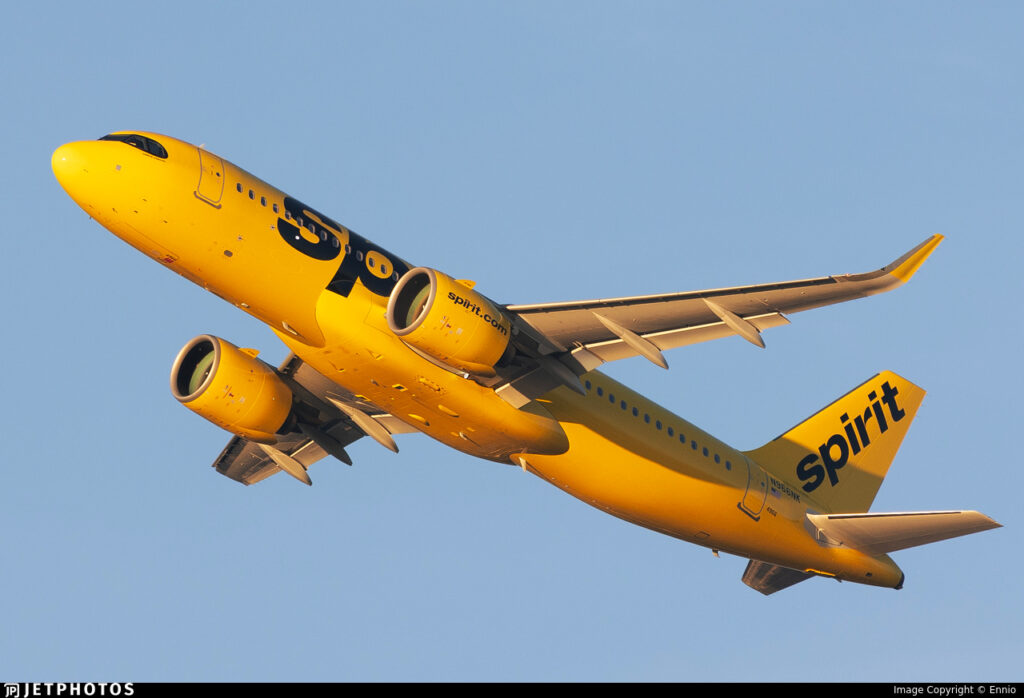
The airline’s operational capacity has been constrained by the mandatory grounding of its Airbus A320neo fleet due to Geared Turbofan (GTF) engine inspections. This technical bottleneck, combined with the fallout from the blocked JetBlue merger, has forced Spirit to re-evaluate every segment in its network for immediate profitability over long-term market share.
OPERATIONAL CONTRACTION METRICS
- Total International Routes Excised: 10
- Primary Hub Impact: Fort Lauderdale (6 routes), Orlando (4 routes)
- Fleet Status: Approximately 25 aircraft AOG (Aircraft on Ground) daily in 2024
- Compensation: $150M–$200M estimated credits from Pratt & Whitney for grounded hulls
- Network Focus: Consolidation toward high-frequency domestic corridors
This network rationalization reflects a survival-oriented pivot. By removing underperforming international legs like Fort Lauderdale to Cancun and San Jose, Spirit is attempting to insulate its remaining schedule from the volatility of international demand and higher landing fees. The move serves as a defensive moat against the rising costs of labor and fuel that have plagued the ULCC sector.
Historically, Spirit utilized Florida as a springboard for Caribbean and Latin American expansion. However, the current Airline News indicates a fundamental shift where the carrier must prioritize aircraft utilization on routes with the highest load factors and minimal operational complexity. The engine crisis effectively removed 10-15% of Spirit’s functional capacity, making thin international routes mathematically unviable.
From a watchdog perspective, the engine crisis reveals a dangerous dependency on single-source propulsion technology. Spirit’s reliance on the GTF engine has left it vulnerable to manufacturing defects that are entirely outside its operational control. While the carrier receives compensation from International Aero Engines (IAE), these credits do not fully offset the lost opportunity cost of cancelled frequencies and lost market relevance in the Latin American corridor.
Spirit’s “Go Big” and “Go Savvy” rebranding efforts further explain this route cull. The airline is moving away from the purely unbundled model, introducing premium-lite seating and bundled amenities. This strategic shift requires a more concentrated network where these higher-margin products can be marketed effectively to domestic travelers who are willing to pay a slight premium for comfort without the legacy carrier price tag.
The implications for the broader market are stark. As Spirit retreats, legacy carriers and mid-tier competitors like JetBlue or Southwest may absorb the vacuum, likely leading to a stabilization—or increase—in fares on these Caribbean routes. For Spirit, the immediate priority remains liquidity preservation and debt restructuring as substantial maturities loom in late 2025 and 2026.
Operational dispatchers must now manage a fleet that is smaller but theoretically more efficient. The reduction in international flying simplifies the crew scheduling process and reduces the logistical burden of maintaining outstation support in foreign jurisdictions. This simplification is critical as the airline attempts to return to profitability by the end of the fiscal year.
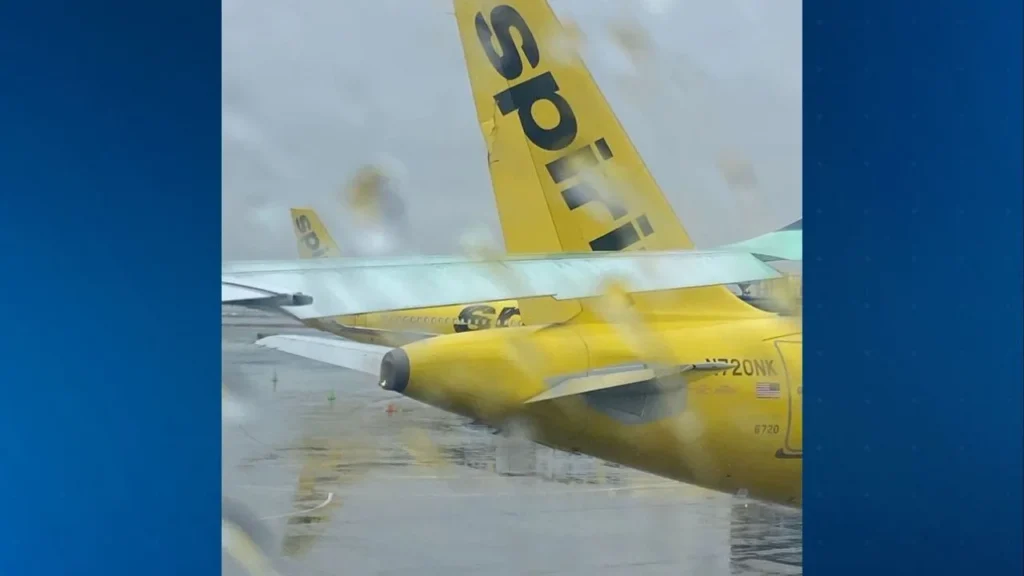
Safety protocols remain a primary concern during this period of fleet stress. While the engine groundings are a reliability issue rather than an immediate in-flight safety crisis, the maintenance burden of managing a split fleet—between active units and those in long-term storage—places immense pressure on technical operations. Regulatory compliance remains high, but the financial strain of these groundings cannot be overstated.
Ultimately, Spirit’s retrenchment is a cautionary tale of aggressive expansion meeting unforeseen technical and regulatory roadblocks. The shrinkage of the international network is not merely a schedule change; it is a structural downsizing intended to protect the core of the business from systemic failure. The coming months will determine if this smaller, more focused Spirit can survive as an independent entity.
For additional operational briefings and the latest Airline News, monitor our dedicated aviation intelligence category.
 Aastha Choudhary
  Anshum Raj
  Shaifali