

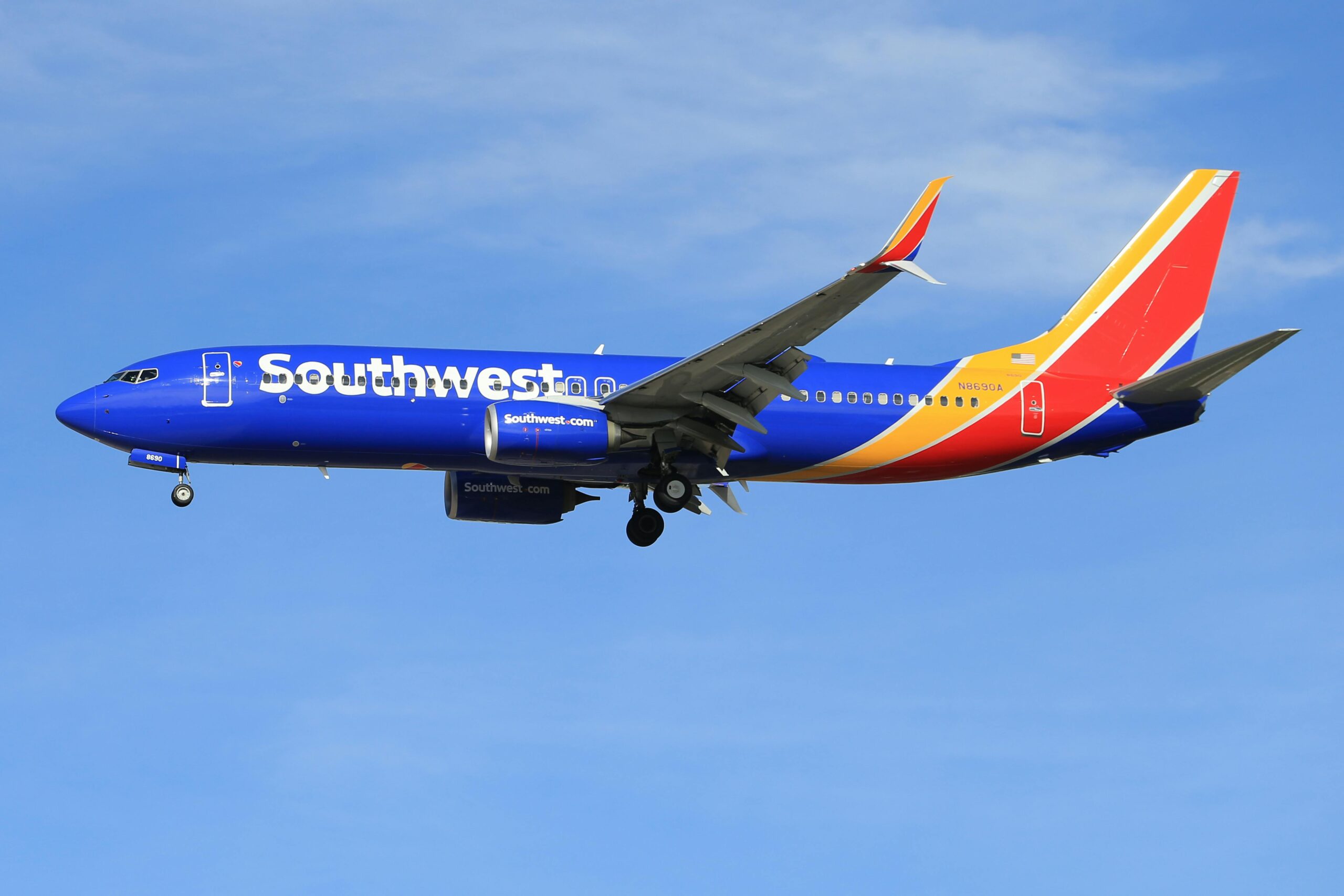
Southwest Airlines (WN) is testing a new cleaning method that focuses solely on premium extra legroom seats between flights. The airline mainly operates from Dallas Love Field (DAL), where quick aircraft turnarounds are key to its operations.
In this experiment, cabin cleaners will come onboard during short ground stops to sanitize the premium seating area. While the goal is to enhance the experience for passengers who pay extra, a flight attendant’s union leader argues that this creates unequal service within the cabin.
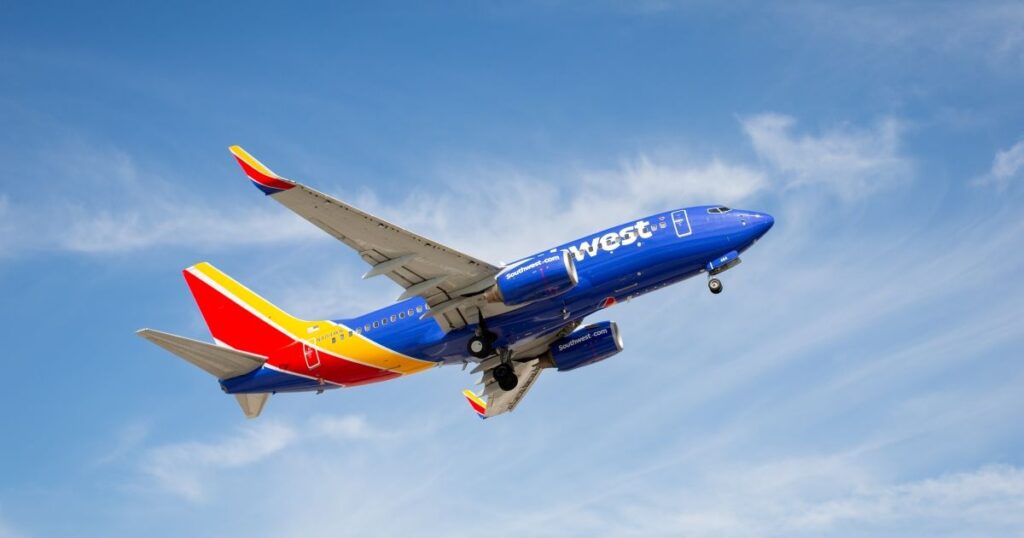
Southwest Airlines (WN) is starting a trial where cleaners briefly board planes between flights to clean just the premium extra legroom seating section. This marks a shift from the airline’s usual approach, which depends on flight attendants to prepare the cabin during quick turnarounds.
Chris Click, a board member of the flight attendants’ union and safety chair, expressed concerns about this new method in a video shared with crewmembers. He mentioned receiving an internal memo from the airline explaining that cleaners would come on board during certain turnarounds to clean the aircraft.
Click criticized the decision to clean only the premium seating area. He compared the policy to the class divisions shown in the movie Titanic, where first-class passengers enjoyed luxuries that others did not.
He described the situation as similar to passengers in the upper decks “having cigars and sipping brandy and telling their stories of their untold fortunes” while those below received less attention. He claimed that this policy effectively sets up a class-based service structure within the cabin. According to View from the Wing, Click stated that although Southwest often claims it does not provide class-based service, the cleaning trial indicates otherwise.
He argued that bringing cleaners onboard to offer a different level of cleaning in the front of the aircraft amounts to a form of first-class service.
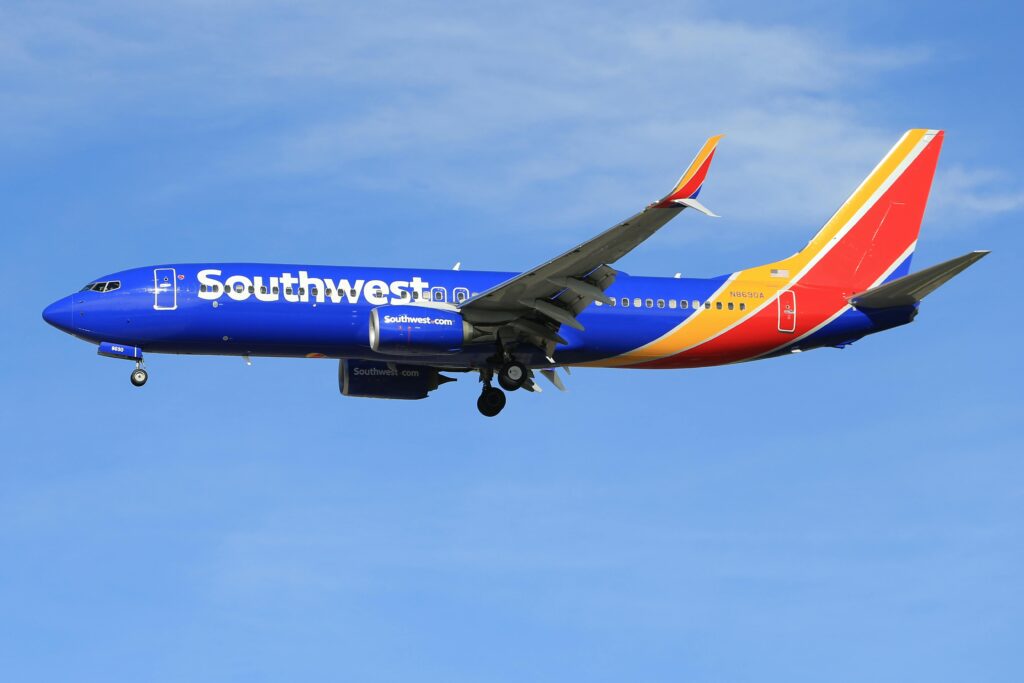
Typically, Southwest flight attendants tidy the cabin between flights as part of their turnaround duties. Their tasks include collecting visible trash, arranging seatbelts, and preparing the cabin for the next group of passengers.
However, these actions mainly involve surface-level tidying. Flight attendants do not reach into seatback pockets or do more intensive cleaning. Click pointed out that there is a significant difference between tidying an aircraft and giving it a thorough clean.
He argued that under the current trial, the front of the cabin would look well cleaned while the rest of the aircraft would only receive basic tidying.
Click warned that passengers boarding the aircraft might notice the differences between sections. If premium seats look freshly cleaned while others do not, travelers may question the airline’s service quality. He also predicted that frustrated passengers would direct complaints toward the flight attendants working on the aircraft.
These crew members remain responsible for cabin preparation, even though the new process introduces different cleaning standards. The union representative remarked that the current tidying efforts seem “half-hearted” compared to a complete clean done by professional crews.
This comment stood out since flight attendants currently handle most of the cabin preparation during turnarounds.
Southwest Airlines has long focused on quick aircraft turnarounds to keep planes in the air and maintain efficiency. Unlike many competitors, the airline has typically avoided using contract cleaners on aircraft between flights.
This practice helps reduce ground time and increases the utilization of aircraft. However, it also means cabins may not receive as thorough a cleaning compared to airlines that use dedicated cleaning teams regularly.
Even airlines that do use contract cleaners can face similar issues. Cleaning teams often have very limited time between flights, which can cut down on the effectiveness of their cleaning efforts.
From the union’s point of view, adding cleaners to the entire aircraft would take some workload off flight attendants during short turnarounds. The union prefers a system where professional cleaners manage the entire cabin while flight attendants focus on safety and passenger service.
Critics argue that cleaning only part of the aircraft addresses just a slice of the workload issue while raising new concerns about how passengers perceive service consistency.
Airline operations have also evolved in recent years due to changing passenger behavior. Many airlines now charge for checked baggage, urging travelers to carry more luggage onboard. This trend lengthens boarding times and often leads to additional gate-checked bags. As boarding takes longer, airlines must carefully balance quick turnarounds with cabin preparation.
The union also pointed out that families with young children often sit in the back of the aircraft instead of paying extra for premium seating. These areas typically get messier during flights, which raises concerns about whether those sections receive enough cleaning attention.
Historically, Southwest Airlines has built its brand around simple and uniform service throughout the cabin. The introduction of premium seating and focused cleaning efforts could indicate a shift toward varied onboard experiences.
If passengers start to notice visible cleanliness differences between seating areas, this may change how they view the airline’s long-standing commitment to equality in service.
The trial highlights the challenges airlines face when trying to provide better premium experiences without slowing down aircraft operations.
Stay tuned for more updates. Follow us on social media for the latest aviation news.
 Aastha Choudhary
  Anshum Raj