


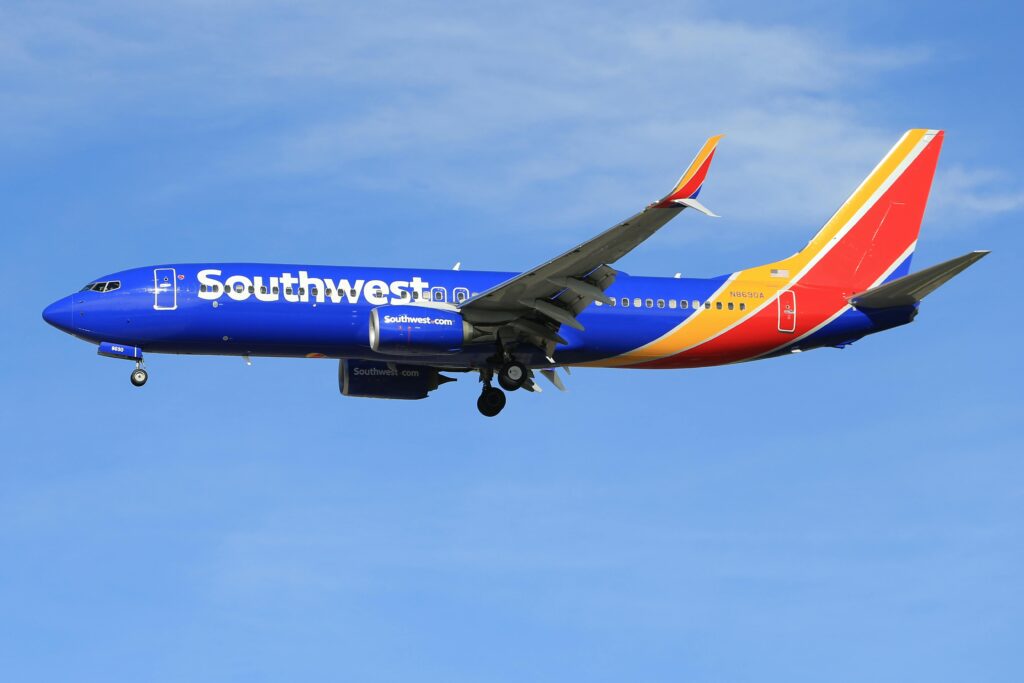
Southwest Airlines is facing a proposed $304,272 civil penalty from the Federal Aviation Administration (FAA) after the agency found the carrier had failed to properly administer mandatory drug and alcohol testing for 11 employees, including pilots, flight attendants, and maintenance mechanics. The alleged violations span nearly four years, from 2021 to 2024, raising serious questions about safety oversight at one of the United States’ largest commercial carriers.
What the FAA Alleges
The FAA claims Southwest allowed employees in safety-sensitive roles to continue performing their duties without completing required follow-up testing — even after some had previously tested positive for substances including cocaine and amphetamines.
The investigation, first reported by Airways Magazine, stemmed from FAA audits that flagged inconsistencies in how Southwest managed its federally mandated testing programs. Under Department of Transportation (DOT) regulations, airlines must enforce a structured testing framework that includes:
- Random drug and alcohol testing
- Post-incident testing following accidents or safety events
- Follow-up testing programs for employees who have previously violated substance policies
The FAA’s position is clear: every missed or improperly documented test is a regulatory violation — and the penalties can compound quickly.
Southwest Has 30 Days to Respond
Under FAA enforcement procedures, Southwest Airlines has 30 days to review the agency’s findings and formally respond. The airline may dispute elements of the proposed fine or negotiate a resolution through legal channels.
Regardless of the outcome, aviation compliance experts say incidents like this almost always trigger internal audits and tightened oversight protocols. FAA fines of this nature are rarely seen as isolated administrative errors — they typically signal systemic compliance gaps within an organization’s safety management system.
Why Drug & Alcohol Testing Rules Are Non-Negotiable in Aviation
Aviation is one of the most tightly regulated industries in the world precisely because the margin for error is so slim. The FAA and DOT impose strict substance testing requirements on all personnel in safety-critical positions for a straightforward reason: impaired performance in aviation can be catastrophic.
Even administrative lapses — failing to document a test, missing a follow-up check — can leave dangerous gaps in the safety net that protects millions of passengers every year.
Critically, the FAA has also made clear that outsourcing compliance responsibilities does not reduce liability. Airlines that delegate testing administration to third-party contractors remain fully accountable under federal law if those contractors fail to meet regulatory standards.
A Broader Industry Problem
Southwest’s case arrives against a backdrop of increased FAA enforcement activity. As airlines ramped operations back up following the COVID-19 pandemic, regulators intensified audits across the industry — and violations that might once have resulted in warnings are increasingly drawing formal penalties.
The aviation industry has also faced several high-profile behavioral incidents in recent years that highlight the stakes involved:
- In 2018, a Japan Airlines pilot was arrested at London Heathrow Airport with a blood alcohol level reportedly nearly ten times the legal limit.
- More recently, an Air India Boeing 777 pilot was removed from duty in Vancouver after failing a pre-flight breathalyzer test, forcing the airline to delay the flight while sourcing a replacement crew.
These cases — both behavioral violations by individuals and administrative failures by institutions — demonstrate that substance oversight must work on two levels: robust testing systems and genuine individual accountability.
What This Means for Southwest — and the Industry
For Southwest Airlines, the proposed fine is both a financial and reputational issue. The airline has built its brand on operational reliability and customer trust, and a multi-year compliance failure involving drug and alcohol testing among flight crew and mechanics is precisely the kind of story that erodes confidence.
More broadly, the case is a signal to the entire aviation industry: the FAA’s enforcement posture has hardened, and airlines that treat compliance programs as administrative formalities — rather than safety imperatives — are increasingly likely to face consequences.
Key Takeaways
- The FAA has proposed a $304,272 civil penalty against Southwest Airlines
- 11 employees in safety-sensitive roles were allegedly allowed to work without completing required drug/alcohol follow-up testing
- Violations reportedly span 2021 to 2024
- Southwest has 30 days to respond to or contest the findings
- The case reflects a broader FAA crackdown on airline compliance in the post-pandemic era
Southwest Airlines FAA Fine: $304,272 Drug & Alcohol Testing Violations Explained
The Federal Aviation Administration has proposed a $304,272 Southwest Airlines FAA fine over alleged failures in mandatory drug and alcohol testing for 11 safety-sensitive employees, including pilots, flight attendants, and mechanics — with violations spanning 2021 to 2024.
What Are the FAA Drug & Alcohol Testing Violations Against Southwest?
The FAA alleges that Southwest Airlines drug testing compliance failed when employees continued safety-sensitive duties without completing required follow-up testing after prior substance violations.
DOT Compliance Rules Airlines Must Follow
Under DOT regulations, airlines are required to conduct random testing, post-incident checks, and structured follow-up testing programs for employees who previously violated substance policies.
Alcohol-Related Incidents Across Aviation Industry

