


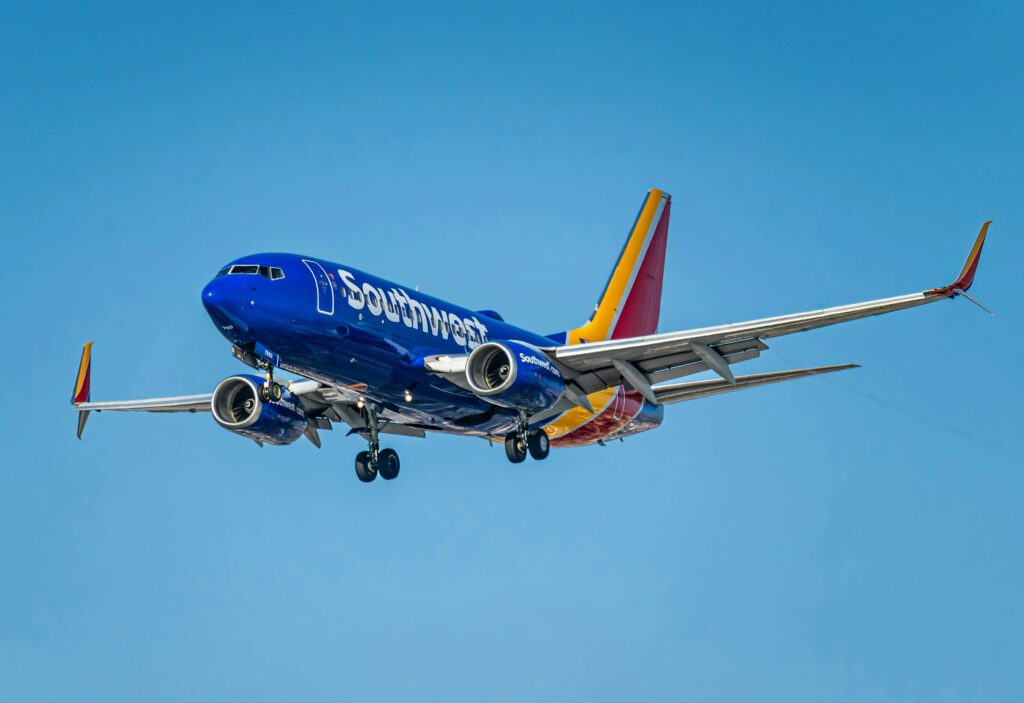
A Southwest Airlines Boeing 737 executed a dramatic go-around at Hollywood Burbank Airport on March 26, 2026, after the flight crew determined the runway was not fully clear. Here is everything you need to know about the incident, what caused it, and what it means for aviation safety.
The Incident: Southwest Flight 2353 Aborts Landing at Burbank
A Southwest Airlines Boeing 737 arriving from Las Vegas executed an abrupt go-around at Hollywood Burbank Airport (BUR) on March 26, 2026, after the pilot reported the runway was not clear.
Passengers aboard the flight were arriving from Las Vegas around 3 p.m. when the pilot of the Boeing 737 suddenly aborted the landing and performed a go-around instead. One passenger reported that the wheels briefly touched the ground before the plane climbed again at a steep incline.
The pilot addressed passengers calmly and directly over the intercom, stating that the runway assigned for landing was not quite clear when the aircraft was about to touch down, so the crew had to go around, and it would be another five to ten minutes before landing.
The Federal Aviation Administration confirmed the go-around, stating that the flight crew of Southwest Airlines Flight 2353 executed a pilot-initiated go-around after briefly touching down at Hollywood Burbank Airport in California. The FAA confirmed the incident involved no other aircraft or vehicles, and Southwest Airlines stated there were no internal reports of a runway incursion. The aircraft then landed safely on the same runway approximately ten minutes later, with no reported injuries.
What Is a Go-Around and Why Do Pilots Perform Them?
A go-around — also called an aborted landing or rejected landing — is one of the most important and well-practiced procedures in all of aviation. Despite the alarm it may cause passengers, it is a deliberate, trained response that pilots execute to maintain safety.

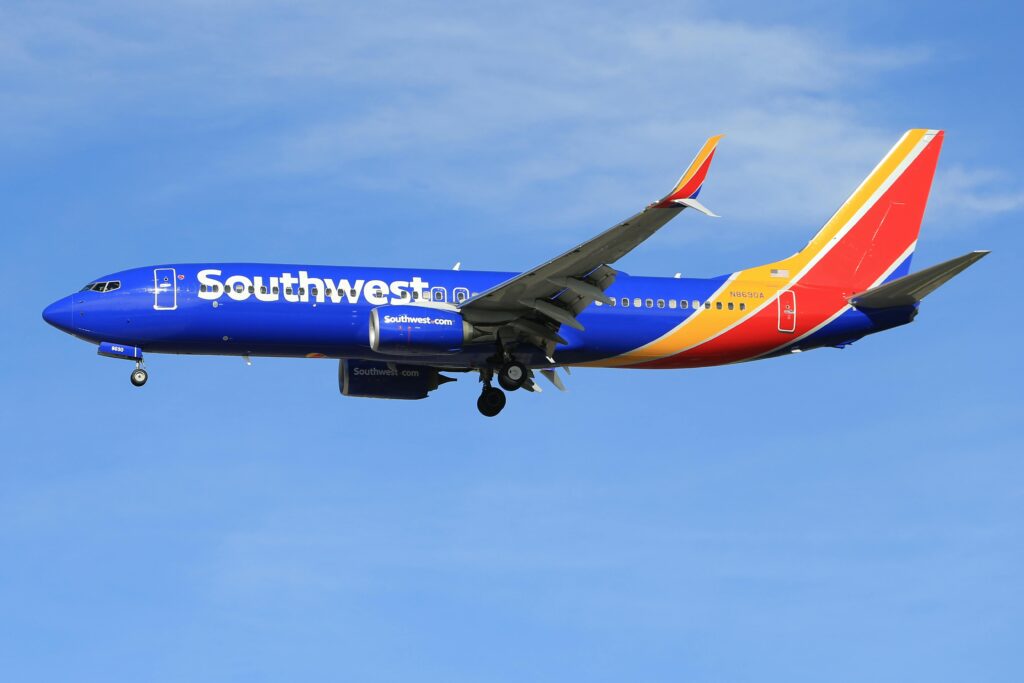
Pilots are taught from the earliest stages of their training that safety is always the priority, and they are encouraged to initiate go-around procedures at any point during the approach if the aircraft appears unstable. This holds true even if the aircraft is seconds away from touching down. A rapid shift in weather or wind shear over the runway is enough to take the aircraft out of a stable approach, warranting a go-around.
Aviation experts consistently note that the safest option in any moment of doubt is to discontinue the landing and sort out the situation while safely airborne, rather than attempt to salvage a questionable touchdown. The rapid transition from a brief touchdown to a full climb is consistent with that philosophy — the decision to go around aligns squarely with industry guidance that prioritizes conservative choices in time-critical situations.
In short: a go-around is not a failure. It is the system working exactly as designed.
What Was on the Runway at Hollywood Burbank Airport?
The FAA confirmed the go-around procedure but clarified that no other aircraft or vehicles were directly confirmed as causing the obstruction. A spokesperson from Southwest Airlines emphasized that there were no internal reports of a runway incursion and that safety remains a top priority for the airline.
Early accounts from flight tracking data and aviation community discussions indicate the jet was on final approach to one of Burbank’s relatively short runways, touched down briefly, and then rapidly powered up and climbed away instead of completing the landing roll. The exact nature of the runway situation has not been publicly specified by authorities as of the time of publication.
Hollywood Burbank Airport: A Complex Airspace Environment
Hollywood Burbank Airport (BUR) is one of the busiest regional airports in Southern California, serving as a convenient alternative to Los Angeles International Airport (LAX). Its proximity to other major airports and its relatively short runways make it a technically demanding facility for pilots and air traffic controllers alike.
Hollywood Burbank Airport’s environment, with intersecting arrival and departure flows in close proximity to other Los Angeles area airports, places additional emphasis on clear communication and multilayered safeguards. The latest Southwest incident will likely be examined in the broader context of national efforts to reduce the risk of runway incursions and reinforce best practices among pilots and controllers.
This heightened scrutiny is not new. In July 2025, a Southwest pilot on a flight from Burbank to Las Vegas had to aggressively maneuver to avoid a midair collision. That earlier near-miss triggered a federal investigation and drew national attention to airspace safety in the Los Angeles corridor.
The Broader Aviation Safety Context in 2026
The Burbank go-around is occurring against a backdrop of growing public and regulatory concern about aviation safety across the United States.
Earlier in 2025, a deadly crash between a Black Hawk Army helicopter and an American Airlines regional jet killed 67 people and intensified questions about airspace management nationwide. That tragedy accelerated congressional pressure on the FAA to modernize its approach to runway safety, staffing, and collision avoidance technology.
Additionally, a separate Southwest Airlines flight departing from Hollywood Burbank Airport dropped nearly 500 feet shortly after takeoff to comply with traffic alerts issued to the pilots. Two flight attendants were injured during that emergency maneuver, and the incident triggered a federal investigation, renewing public scrutiny over airspace safety near one of the United States’ busiest aviation corridors.

These incidents — taken together — are prompting regulators, airlines, and safety advocates to call for renewed investment in runway incursion technology, air traffic control staffing, and pilot decision-support tools.
Passenger Reactions and Transparency
Passengers aboard Southwest Flight 2353 were understandably startled. Reports from those on board suggest the abrupt change in engine power and angle of climb came as a surprise. Some passengers described the sensation of a normal landing suddenly turning into a steep ascent — a profile that can be jarring to travelers unfamiliar with go-arounds.
However, the pilot’s calm and immediate communication over the intercom was widely praised. Transparency in the cockpit — speaking plainly to passengers about what is happening and why — is considered a hallmark of professional airmanship and helps reduce passenger panic during unexpected maneuvers.
Key Takeaways
- Flight: Southwest Airlines Flight 2353, Las Vegas (LAS) to Hollywood Burbank Airport (BUR)
- Date: March 26, 2026, approximately 3:00 p.m. local time
- Aircraft: Boeing 737
- Incident: Pilot-initiated go-around after wheels briefly touched the runway
- Cause: Runway reported as not fully clear
- FAA Status: Confirmed go-around; no runway incursion on record
- Injuries: None reported
- Outcome: Aircraft landed safely approximately 10 minutes later
While go-arounds are a common occurrence in commercial aviation, this incident will spark broader safety discussions given the pilot’s report that the runway was not fully clear at the moment of touchdown. Aviation safety advocates consistently stress that a crew electing to go around — and preventing any potential collision or overrun — represents the safety system functioning precisely as intended.