


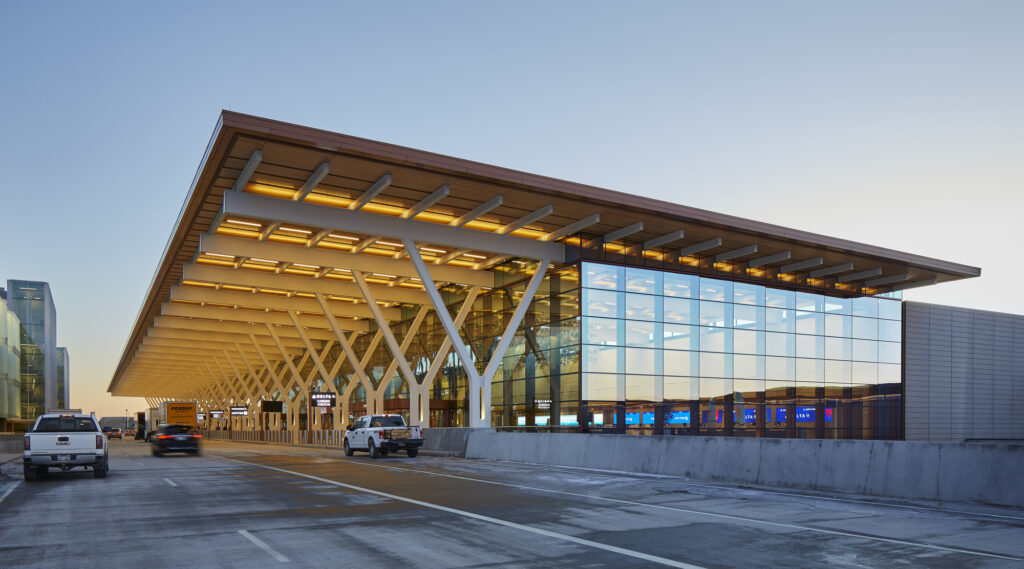
The reopening of Kansas City Airport (MCI) on Sunday afternoon marked the end of a tense three-hour standoff between security protocols and an invisible threat. While the resumption of flights is a victory for operational efficiency, the incident marks a troubling milestone: it is the second major security-induced evacuation at the facility in less than three months. For a hub that prides itself on the seamless “Kansas City experience,” these recurring disruptions raise urgent questions about the nature of modern aviation threats and the resilience of our regional infrastructure.
The evacuation began shortly after 11:15 a.m. local time, when airport authorities received information about a possible threat inside the terminal. Law enforcement agencies, including the FBI and airport police, quickly moved to secure the premises. Passengers were escorted outside, with many moved directly onto the airport tarmac while the investigation was underway.

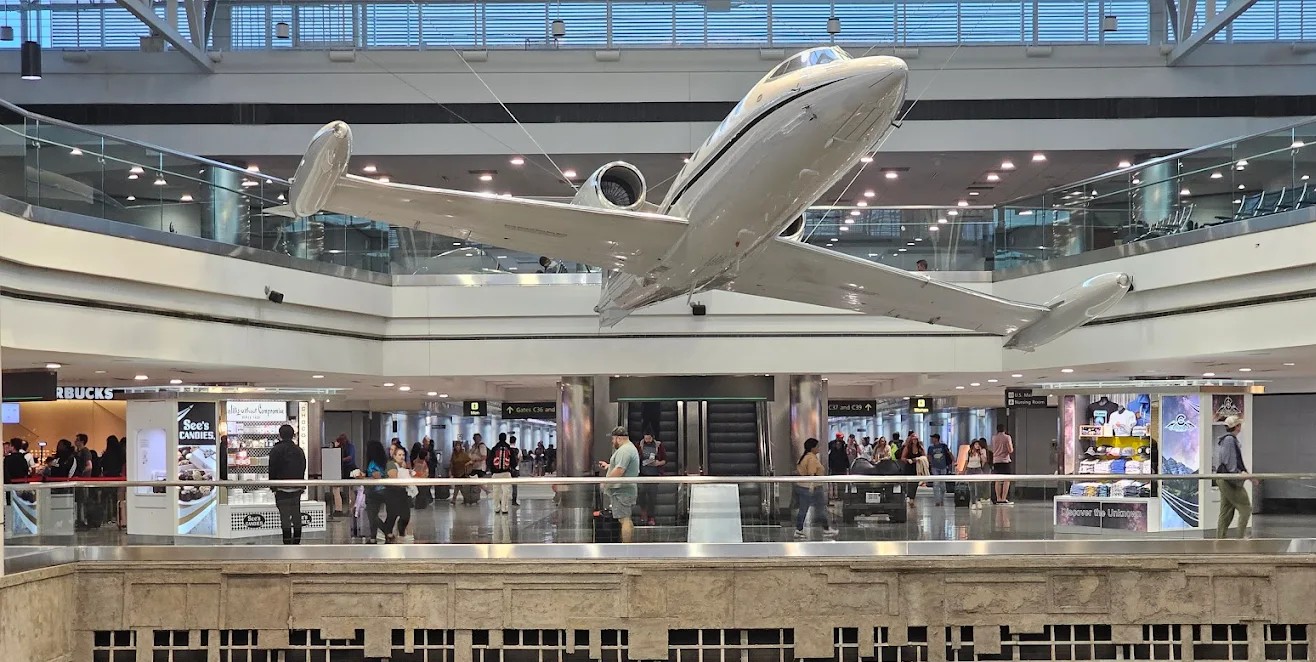
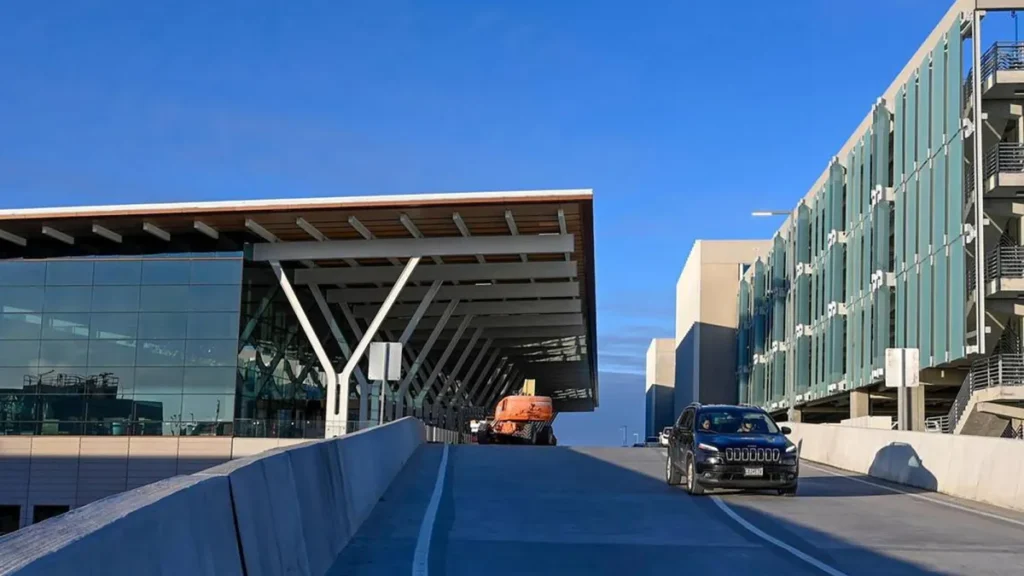
By around 2:00 p.m., after an extensive search and security sweep, officials confirmed that the threat was not credible and operations resumed gradually. While the disruption was short-lived, the scale of the evacuation highlighted the operational vulnerability of even modern airport infrastructure.
Key facts from the March 2026 disruption
| Metric | Data |
| Evacuation start time | 11:15 AM local time |
| Airport reopening | Around 2:00 PM |
| Passengers evacuated | 2,000 |
| Flight delays reported | 140+ |
| Flight cancellations | 2 |
| Law enforcement agencies involved | FBI, Airport Police, Bomb & K9 units |
one of the most busiest airport that handles thousands of passenger on daily basis, is not a great sign. Let’s look into the traffic overview:

| Indicator | Estimated Value |
| Monthly passenger traffic | 1 million passengers |
| Average daily passengers | 33,000 |
| Daily aircraft movements | Hundreds of arrivals & departures |
| Major airlines operating | Southwest, Delta, American, United |
These incidents are not only threatful but rather they carry majorsble economic cost for the aviation industry with already so much going around the world, it becomes more disturbing.
| Factor | Estimated Cost |
| Average airline delay cost per flight | $6,000 – $10,000 |
| Cost of aircraft diversion | $15,000 – $25,000 |
| Passenger compensation & handling | $50 – $200 per traveler |
| Estimated cost of a 2-hour airport shutdown | $1–3 million total impact |
The “second threat” referenced by officials points back to December 31, 2025. On that New Year’s Eve, a similar scare forced a lockdown and evacuation at 11:00 AM, disrupting thousands of travelers during one of the busiest windows of the year.
This is a pattern emerging as the, March evacuation is particularly notable because it comes less than three months after another security scare at the same airport, which also prompted law-enforcement intervention and temporary disruptions.
While both incidents were ultimately declared non-credible threats, the frequency of such events underscores a broader issue across global aviation: security threats do not need to be real to cause real disruption.
False alarms or hoax threats can still trigger the full spectrum of security protocols.
The security incident at MCI is now clear and normal operations are resuming. We thank the law enforcement partners for their swift response.” — U.S. Transportation Secretary Sean Duffy
Airports worldwide face growing challenges from hoax threats, cyber disruptions, and misinformation, all of which can disrupt travel networks without any physical attack occurring.
The Kansas City incident serves as a reminder that aviation security is not only about preventing attacks but also about maintaining resilience against disruptions. As air travel demand continues to rise globally, airports must invest in all the safety.