

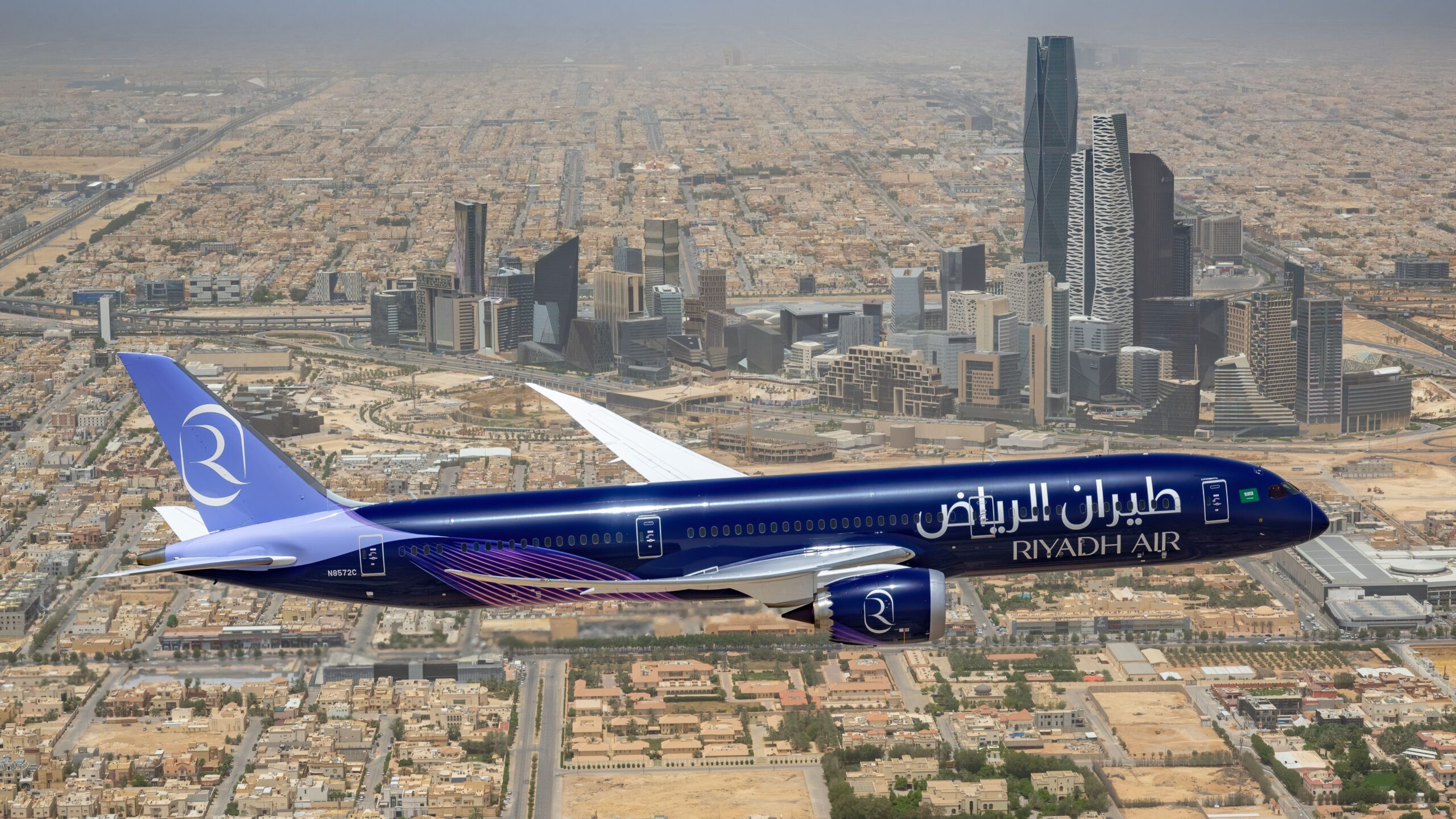
A strategic assessment of Saudi Arabia’s multi-billion dollar aviation expansion and its implications for global connectivity.
Riyadh Air is preparing for its 2026 commercial launch by revealing its initial 15 flight routes, signaling a shift in the Middle Eastern aviation corridor. These first destinations serve as a proof-of-concept for the Public Investment Fund (PIF) backed carrier. The selection emphasizes G20 capital connectivity and high-yield financial hubs.
The carrier aims to connect the Saudi capital to over 100 destinations by 2030. This strategy differs from the traditional transit-heavy models of regional neighbors. Instead, it focuses on the internal economic growth of the Riyadh province and its burgeoning status as a corporate headquarters for multinational firms.
Historically, Saudi aviation focused on religious tourism via Jeddah. The emergence of Riyadh Air represents a systemic pivot toward diversified economic utility. By establishing a digital-native airline from the ground up, the kingdom seeks to reclaim its own international traffic that currently leaks to hubs like Dubai and Doha.
- Fleet Order: 39 confirmed Boeing 787-9 Dreamliners with options for 33 more.
- Launch Window: Late Q2 to early Q3 2025.
- Economic Target: $20 billion contribution to non-oil GDP growth.
- Infrastructure: Integration with the 6-runway King Salman International Airport master plan.
- Network Goal: 100+ cities within five years of the first takeoff.
The Riyadh Air European Corridor: Securing the Financial Verticals
The first tier of the 15-route reveal focuses heavily on European centers including London, Paris, and Frankfurt. These cities represent the primary source of foreign direct investment into Saudi Arabia’s mega-projects. The scheduling for these routes will likely prioritize morning arrivals into Riyadh to facilitate same-day business briefings.
Operational intelligence suggests that Riyadh Air will utilize its Boeing 787-9 fleet to offer high-frequency service rather than high-capacity single flights. This approach allows the airline to capture the time-sensitive corporate traveler. The Dreamliner’s efficiency is critical here, as it maintains lower seat-mile costs on 6-to-8-hour sectors.
As industry analysts digest the latest Airline News, the focus remains on how Riyadh Air will secure competitive slots at restricted airports like London Heathrow. Initial reports indicate a heavy reliance on bilateral government agreements to ensure premium timing. This diplomatic layer is essential for the airline’s success in the European market.
North American and East Asian Expansion
Beyond Europe, the route reveal includes ultra-long-haul connections to New York and Washington D.C. These routes are strategically designed to link the PIF’s global investment interests with the Riyadh headquarters. The 787-9 is uniquely suited for these 13-hour missions, offering the range and payload capacity necessary for the flight.
In the East, the airline is targeting Beijing, Shanghai, and Tokyo. These selections reflect the growing trade volume between Saudi Arabia and the Asia-Pacific region. By offering direct connectivity, Riyadh Air reduces the total travel time by four to six hours compared to existing transit options through the UAE or Qatar.

Technical analysis of these routes shows a commitment to the ‘Point-to-Point’ hybrid model. While transit traffic will be accepted, the network is built to serve the Riyadh destination specifically. This reduces the reliance on low-yield transfer passengers and increases the average revenue per passenger kilometer (RPK).
Infrastructure Trends and Hub Viability
The success of these 15 routes depends heavily on the progress of King Salman International Airport. This facility is designed to handle 120 million passengers by 2030. Unlike the current King Khalid International Airport, the new hub will feature integrated logistics zones and rapid-transfer gates to minimize ground time.
From a dispatch perspective, Riyadh’s geographical location offers a unique advantage. It sits within an eight-hour flight radius of 60% of the world’s population. However, managing the extreme heat of the Arabian Peninsula requires specific technical considerations for aircraft performance and takeoff weights during summer months.
Fleet economics play a massive role in this operational viability. The Boeing 787-9 provides a 20% improvement in fuel efficiency over the previous generation of aircraft. This buffer is vital as the airline enters a market where fuel prices and carbon taxes are increasingly volatile factors in long-term planning.
Comparative Analysis and Market Displacement
When comparing Riyadh Air to the ‘Big Three’ (Emirates, Qatar Airways, and Etihad), a distinct difference in fleet composition emerges. Riyadh Air is bypassing the Airbus A380 and the larger Boeing 777-300ER in favor of mid-to-large widebodies. This suggests a focus on agility and load factor optimization over sheer volume.
Operational implications for competitors are significant. For years, regional carriers have thrived on Saudi ‘leakage’ traffic. With a direct, premium alternative now available, these legacy hubs may see a reduction in high-yield traffic from the Saudi domestic market. This could force a recalibration of pricing strategies across the Middle East.
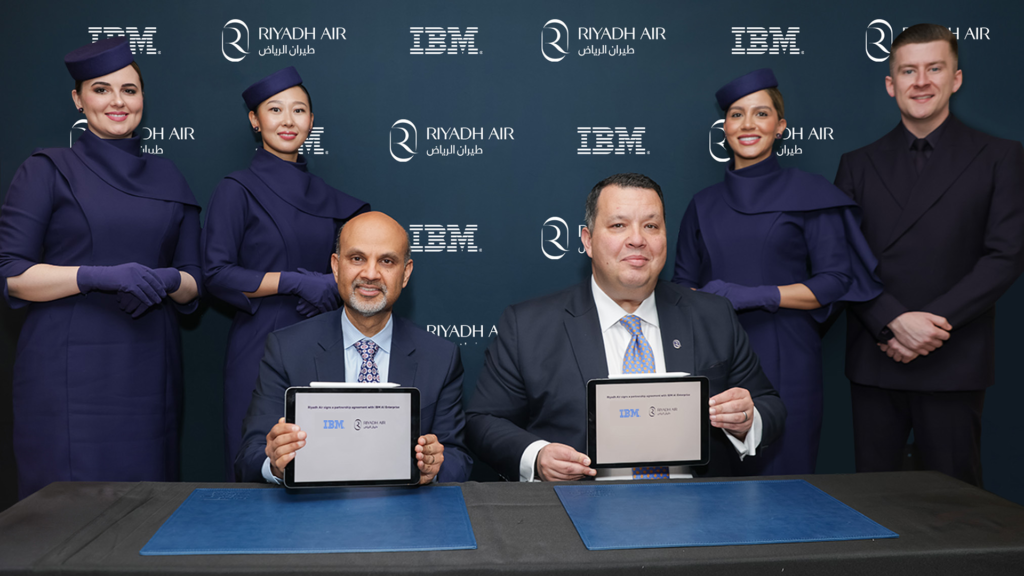
Furthermore, Riyadh Air is positioning itself as a technology company that operates aircraft. This involves a cloud-native booking system and personalized AI-driven guest experiences. By removing legacy IT baggage, the airline expects to reduce overhead costs by 15-20% compared to traditional international carriers.
Regulatory and Environmental Considerations
The 15-route reveal also aligns with the Saudi Green Initiative. The airline has committed to sustainable aviation fuel (SAF) procurement where available. While SAF supply remains a global challenge, the carrier’s brand-new fleet ensures it will have one of the lowest carbon footprints per seat in the industry from day one.
Regulatory hurdles still exist, particularly regarding ETOPS (Extended-range Twin-engine Operational Performance Standards). Since the airline is a new entity, it must satisfy rigorous safety audits before it can operate the direct over-water routes required for North American and Asian sectors. These certifications are currently the primary focus of the flight operations department.
Staffing remains a critical bottleneck. The airline is currently on a global recruitment drive to hire over 700 pilots and thousands of cabin crew. Maintaining a high standard of service while scaling at this unprecedented rate is a logistical challenge that will test the management team’s depth of experience.
Strategic Forecasting: The 2025-2030 Horizon
Looking forward, the initial 15 routes are merely the foundation of a much larger architectural project. Once the primary G20 hubs are established, the second phase of expansion will likely target secondary cities in India and Southeast Asia. These markets represent the high-volume labor and tourism segments essential for total hub saturation.
The strategic forecasting for Riyadh Air suggests a shift toward a more integrated travel ecosystem. The airline will likely partner with the various ‘Giga-projects’ such as NEOM and Qiddiya to offer seamless travel packages. This vertical integration ensures that the airline is not just a transport provider but a primary driver of the national tourism strategy.
In summary, the route announcement confirms a calculated, high-stakes entry into the global aviation market. By targeting high-value city pairs and utilizing a highly efficient fleet, Riyadh Air is positioning itself as a disruptor of the traditional hub-and-spoke system. The operational success of these first 15 routes will determine the pace of the kingdom’s broader economic transformation.
For additional operational briefings and the latest Airline News, monitor our dedicated aviation intelligence category.
 Aastha Choudhary