

Addressing the Staffing Crisis Amid the Funding Impasse
The executive branch is currently evaluating the deployment of Immigration and Customs Enforcement (ICE) personnel to major US airport hubs to counteract critical staffing shortages within the Transportation Security Administration (TSA). This contingency plan addresses escalating officer absenteeism as the federal funding impasse reaches a critical threshold for frontline aviation security employees.
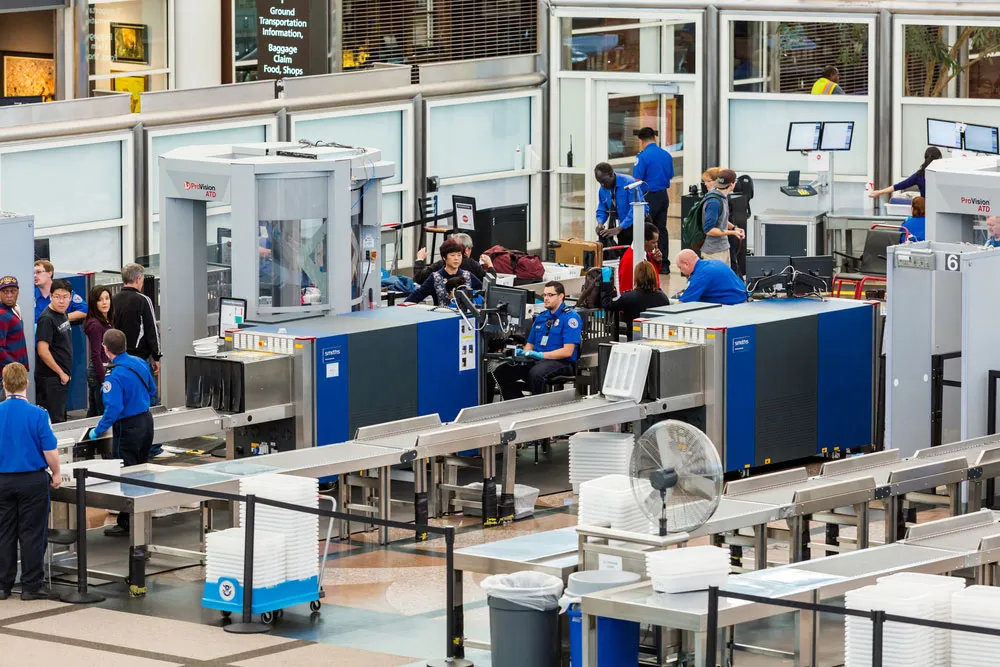
TSA operational integrity relies on a consistent presence of Transportation Security Officers (TSOs) to maintain screening throughput. Current reports indicate that high-volume airports are experiencing increased unscheduled absences, colloquially known as the “blue flu,” as officers face the financial strain of missed pay cycles. The proposed shift of ICE agents into these roles represents a significant redirection of Department of Homeland Security (DHS) resources to stabilize the national aviation network.
Historical Context and the Surge Capacity Breach
Historically, the TSA has utilized internal surge capacities and National Deployment Forces to manage regional staffing gaps. However, the current scope of absenteeism across multiple Tier X airports has exhausted these standard mitigation tools. The federal government last faced a systemic shutdown impact of this magnitude in 2018-2019, where TSO unscheduled absences peaked at roughly 10 percent. The current proposal to utilize ICE agents marks a departure from standard agency-specific labor protocols.
AVIATION SECURITY METRICS
- Current TSA Unscheduled Absence Rate: 7.6% (Projected to exceed 10% by next pay cycle).
- ICE Personnel Availability: Estimated 2,000 agents identified for potential short-term airport reassignment.
- Average Passenger Wait Time Increase: 12-18 minutes at hubs (ATL, ORD, LAX) during peak departure banks.
- Federal Employee Pay Status: 420,000 personnel currently working without immediate compensation.
- Training Delta: ICE agents require approximately 40 hours of expedited airport-specific security familiarization.
Technical Challenges: Bridging the LEO and TSO Gap
From a technical standpoint, ICE agents are federal law enforcement officers (LEOs) with broader jurisdictional powers than standard TSOs. Deploying LEOs to screening lanes introduces a unique regulatory friction, as their primary training involves customs enforcement and investigative procedures rather than civilian passenger screening. This shift necessitates rapid familiarization with Advanced Imaging Technology (AIT) and X-ray interpretation protocols to ensure no degradation in security standards occurs during the transition.
The broader context of this move reflects a desperate attempt to maintain the economic velocity of the US travel sector. High-frequency operations depend on predictable turn times and efficient security throughput. If the TSA staffing levels fall below the minimum safe threshold for a specific terminal, the airport operator is forced to consolidate checkpoints, creating bottlenecks that ripple through the national airspace system. Recent reports in Airline News highlight how these delays can force carriers to adjust ground times, leading to significant block-hour inefficiencies across the fleet.
Tiered Deployment and Operational Dispatch Logic
Operational implications suggest that while ICE agents can bolster the physical presence at checkpoints, they cannot immediately replace the specialized technical expertise of a seasoned TSO. The dispatch logic indicates that agents will likely be utilized for non-technical roles, such as document verification and queue management, allowing the remaining certified TSOs to focus exclusively on the technical screening of baggage and persons. This tiered approach aims to preserve the secondary security layer while addressing the immediate manpower shortage.
Labor experts suggest the end-of-month timeframe is a critical inflection point. As federal employees miss a second consecutive paycheck, the attrition rate for entry-level TSOs is expected to rise. ICE deployment acts as a temporary patch, but it does not address the underlying systemic instability of the aviation security workforce. Terminal operators are currently reviewing emergency management plans to determine if private security contractors can be leveraged via the TSA Screening Partnership Program (SPP) as a more sustainable alternative to temporary federal reassignment.
For additional operational briefings and the latest Airline News, monitor our dedicated aviation intelligence category.
 Aastha Choudhary