

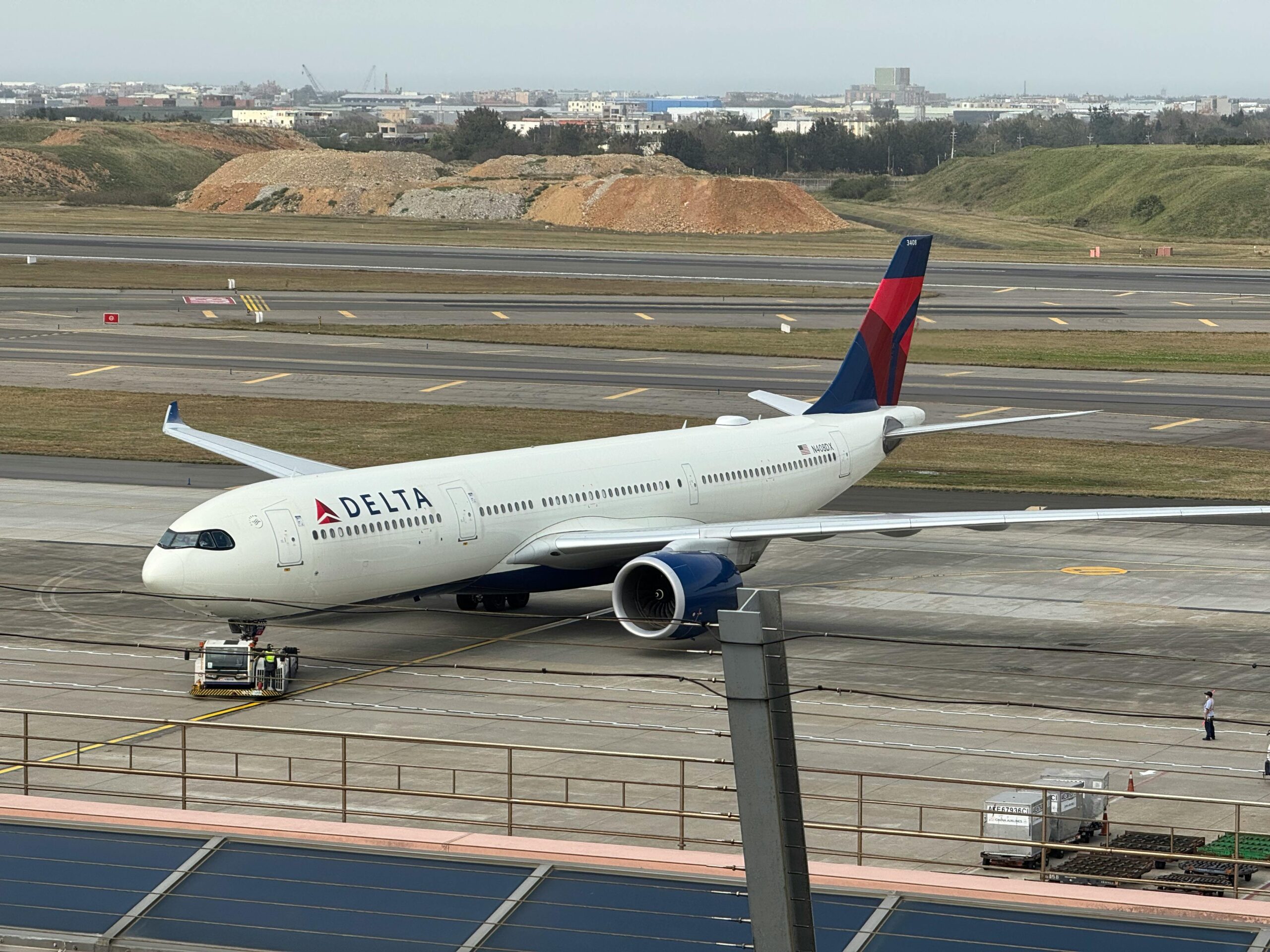
Delta Air Lines has officially announced the commencement of daily nonstop service connecting Austin-Bergstrom International Airport (AUS) and Phoenix Sky Harbor International Airport (PHX). This expansion signifies a strategic shift as Delta continues to build out its presence in non-hub cities that exhibit strong economic fundamentals and high-yield potential. By linking the Live Music Capital of the World with the primary gateway of the Southwest, Delta is positioning itself to capture a larger share of the professional and leisure segments currently dominated by competing carriers.
The Austin-Phoenix Tech Nexus: A Paradigm Shift in Market Share
The Austin market has undergone a paradigm shift over the last decade. Previously classified as a focus city with limited scope, it has now become a battleground for domestic market share. The city’s rapid industrialization, spearheaded by the arrival of high-tech manufacturing and various corporate relocations, has necessitated a more robust aviation network. Phoenix, meanwhile, has solidified its status as a major transit hub and a burgeoning center for semiconductor manufacturing. These two cities share a common economic trajectory, characterized by population influxes and corporate investment.
- Planned Route Distance: 872 nautical miles.
- Target Load Factor: 84% for Q1 operations.
- Estimated Annual Seats: 94,900 based on initial frequency.
- PHX Market Share: Delta currently maintains approximately 6.5% of total enplanements.
- AUS Passenger Volume: The airport handled over 22 million passengers in the previous fiscal year.
Operational Analysis: Mainline Assets and Fleet Economics
Observation: Delta’s decision to deploy mainline assets like the Airbus A220-300 rather than relying purely on regional partners indicates a commitment to capacity and passenger experience. This aircraft’s economics are particularly favorable for routes under 1,000 miles where premium demand remains high and fuel efficiency is paramount.
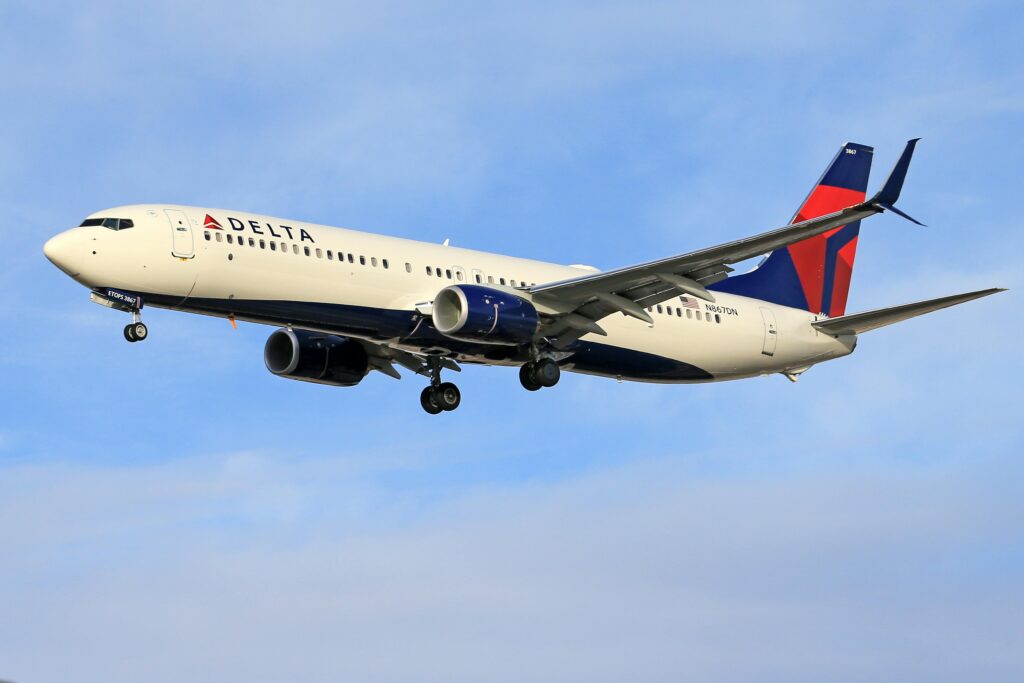
Comparison: While American Airlines maintains a significant hub presence in Phoenix and Southwest dominates the point-to-point volume, Delta’s entry targets the high-frequency business traveler integrated into the SkyTeam ecosystem. As industry leaders monitor the latest Airline News, the emergence of Austin as a critical node in Delta’s national strategy suggests that further capital investment in ground support equipment and gate infrastructure is imminent.
Operational Implication: The increased frequency will test the throughput of AUS Terminal 1. The success of this route depends on the carrier’s ability to manage turn-times effectively in the constrained environment of Austin’s main terminal while navigating the extreme heat conditions prevalent during Phoenix summer operations.
Efficiency of the Airbus A220-300
Fleet economics play a decisive role in the viability of this specific city pair. The A220-300, specifically designed for the 100-150 seat market, offers a 20% reduction in fuel burn per seat compared to previous generation aircraft. This efficiency allows Delta to maintain profitability even during periods of fuel price volatility. The aircraft features a wider cabin and larger windows, which serves as a marketing differentiator against the older narrowbody fleets operated by competitors on the same route.
Network Strategy: Reducing Hub Pressure and Capturing O&D Traffic
From a network perspective, the Phoenix expansion acts as a pressure valve for Delta’s traditional hubs. By offering nonstop service, the carrier reduces the burden on its Salt Lake City (SLC) and Los Angeles (LAX) hubs for passengers traveling from Central Texas to the Southwest. This point-to-point strategy allows for better utilization of hub slots for longer-haul or international connections while still capturing the lucrative O&D (Origin and Destination) traffic.
The timing of this route launch aligns with the Austin-Bergstrom Journey 2040 master plan. The airport is currently expanding its gate capacity to accommodate the 30 million annual passengers expected by the end of the decade. Delta has been aggressive in securing its footprint within the Barbara Jordan Terminal, ensuring that its premium lounges and check-in counters are positioned to handle the influx of elite-status travelers who frequent the Austin-Phoenix corridor.
Infrastructure Synergy at Sky Harbor
Phoenix Sky Harbor International Airport offers a unique set of operational challenges and opportunities. As the tenth busiest airport in the United States, PHX has invested heavily in its Comprehensive Asset Management Plan. The recent modernization of Terminal 3, where Delta operates, provides a seamless experience for arriving and departing passengers. The integration of the PHX Sky Train also facilitates rapid transit between terminals and the rental car center, which is a significant factor for the business travelers Delta is targeting.
Corporate Connectivity: Semiconductors and the Silicon Desert
Market data suggests a strong correlation between the technology sectors of both cities. The semiconductor industry, in particular, requires frequent travel between the Silicon Hills of Austin and the emerging Silicon Desert of Phoenix. Large-scale projects, such as the TSMC fabrication plants in Arizona and the Samsung facilities in Texas, generate consistent, high-value corporate travel demand that is less sensitive to ticket price fluctuations than traditional leisure travel.
Competitive response is expected to be swift. Southwest Airlines currently maintains a high-frequency schedule on this route, leveraging its historical dominance in both markets. American Airlines also utilizes Phoenix as a primary hub, offering multiple daily frequencies. Delta’s entry will likely lead to a period of aggressive pricing as the carriers vie for dominance. However, Delta’s advantage lies in its tiered service model and its ability to offer global connectivity through its international partners.
Yield Management and Environmental Performance
Revenue management teams will closely monitor the load factors during the initial six months of service. To ensure the route’s long-term sustainability, Delta will need to maintain a balance between corporate contract fulfillment and high-yield last-minute bookings. The carrier is also expected to leverage its partnership with American Express to drive ticket sales through targeted promotions for cardmembers based in the Austin metropolitan area.
Infrastructure constraints remain the primary risk factor for this expansion. Austin’s rapid growth has occasionally outpaced its terminal capacity, leading to congestion during peak hours. Delta’s operational team must coordinate closely with the City of Austin Aviation Department to ensure that gate assignments are optimized for the new Phoenix frequencies. Any delays in the airport’s expansion projects could limit Delta’s ability to add further frequencies in the future.
Environmental factors also influence the scheduling of these flights. Phoenix experiences extreme temperatures during the summer months, which can impact aircraft performance and takeoff weights. The A220’s advanced aerodynamics and Pratt & Whitney GTF engines provide superior performance in these hot-and-high conditions compared to older airframes. This technical advantage ensures that Delta can operate the route with fewer payload restrictions during the height of summer.
Looking ahead, the Austin-Phoenix route is likely just the beginning of a broader expansion for Delta in the Central Texas region. As the airline shifts its focus toward high-growth, high-tech markets, other cities in the Western United States may soon see similar nonstop service. The strategic importance of Austin cannot be overstated, as it serves as a gateway to one of the fastest-growing economic regions in the country.
For additional operational briefings and the latest Airline News, monitor our dedicated aviation intelligence category.
 Aastha Choudhary