
A hybrid-electric propulsion system under development in Europe aims to cut aircraft emissions by up to 30%, marking a significant step toward decarbonising short-haul aviation.
Regional flights are considered the most practical starting point for electrification. Routes under 600 nautical miles account for about 55% of global flight movements and roughly 18% of aviation emissions, making them a high-impact target for efficiency improvements.
The project is part of the EU-supported HE-ART (Hybrid Electric Regional Aircraft Technology) programme, which is designing and testing a 2.15–2.85 MW hybrid electric turboprop powertrain. The system integrates a gas turbine with an electric drive to reduce fuel burn, emissions, and noise during high-power flight phases.
Clean Aviation research indicates hybrid-electric regional aircraft could achieve around 30% CO₂ reduction on typical missions while maintaining compatibility with sustainable aviation fuels (SAF).
If combined with 100% SAF, lifecycle greenhouse gas emissions could drop by over 90%.
Regional aviation currently represents about 5% of total air transport emissions.
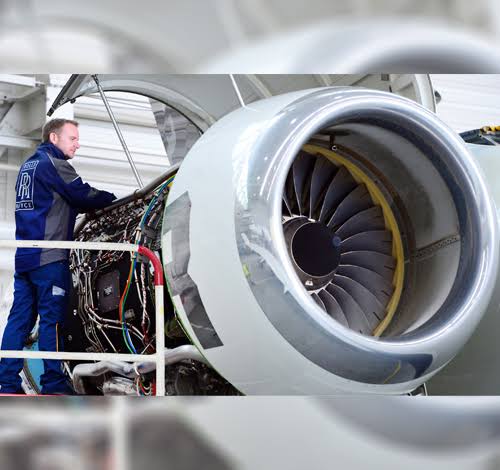
At the centre of the propulsion development is a collaboration between SINTEF and Rolls-Royce Electrical Norway, focusing on reliability and lifespan of high-power electrical systems required for hybrid flight.
SINTEF is developing advanced materials testing and durability analysis to ensure electrical components withstand vibration, thermal stress, and high-voltage loads typical of aviation operations.
Rolls-Royce Electrical Norway provides the electric motor and power electronics. These components must operate safely under extreme conditions while meeting stringent aviation certification requirements.
A key engineering challenge involves insulation durability inside the motor stator. Hybrid aircraft motors can operate at frequencies approaching 50 kHz, far higher than conventional systems, creating certification gaps in existing testing standards.
Hybrid propulsion combines electric power with efficient gas turbines, allowing engines to operate closer to optimal efficiency while electric assist supports peak power demand. Studies of hybrid turboprop concepts have shown emissions reductions approaching 28–30% depending on battery capability and hybrid power share.
More broadly, advanced hybrid and distributed electric propulsion technologies could deliver 20–30% fuel savings in short- to medium-range aircraft by the 2030s.
According to Rolls-Royce engineers, electrification and hybrid propulsion will be essential to achieving net-zero aviation by 2050, particularly when combined with SAF and future hydrogen energy systems.
If successfully certified and deployed, hybrid propulsion could reduce operating costs, noise levels, and emissions across regional networks
creating a scalable pathway toward cleaner AVIATION
while meeting increasingly stringent climate targets.
 Priyanshu Gautam
  Aastha Choudhary
  Martin hope