

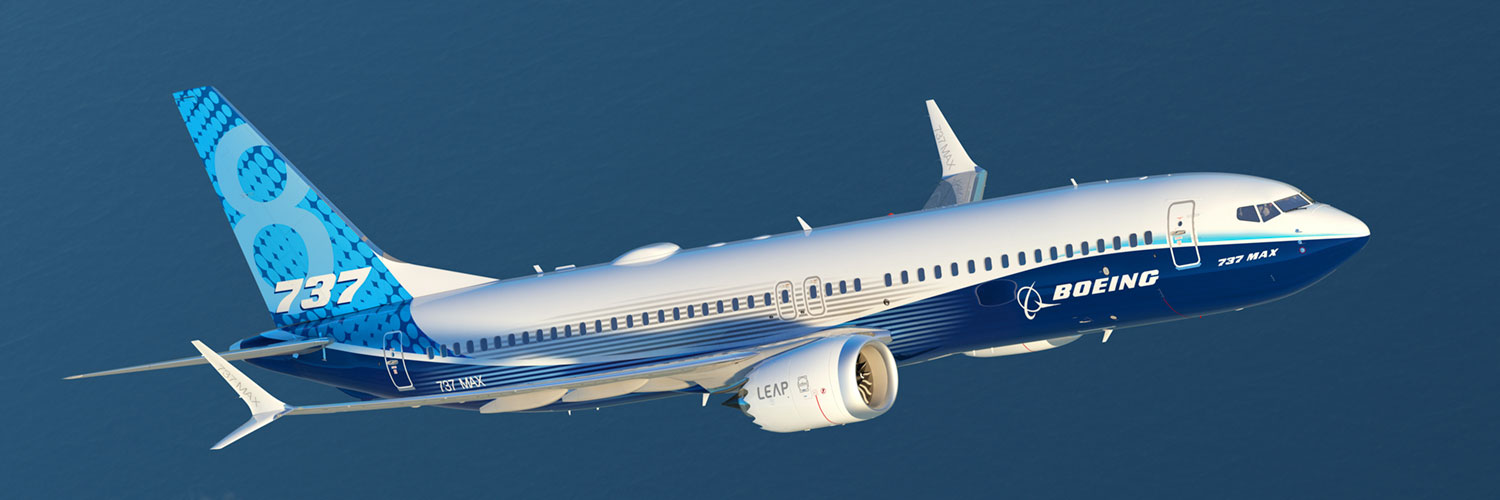
The safety spotlight has once again turned toward the Boeing 737 MAX , not over flight control systems this time, but cabin temperature management. The Federal Aviation Administration (FAA) has issued a new Airworthiness Directive requiring airlines to update flight manuals on select 737 MAX variants following reports of uncontrolled cabin and cockpit overheating.
The directive applies to the Boeing 737 MAX 8, 9, and 8-200 models. At the center of the issue is an electrical fault involving the BAT BUS SECT 2 circuit breaker. If triggered by a ground wire malfunction, the breaker can disrupt the aircraft’s environmental control system, potentially allowing temperatures in the flight deck and passenger cabin to rise beyond controllable levels.
In scale, the directive affects more than 2,100 aircraft worldwide, including approximately 77,100+ affected 737 MAX aircraft worldwide
771 U.S.-registered jets
30 days for mandatory manual revisions
3 MAX variants covered (8, 9, 8-200)
1 registered in the United States.
Aircraft manufacturer Boeing has expressed support for the directive and indicated it had already issued guidance to operators earlier this year. The company is working toward a design fix expected to be incorporated before certification of the MAX 7 and MAX 10 variants.
The timing is particularly sensitive for Boeing as it works toward certifying the 737 MAX 7 and MAX 10 variants. Any technical concern involving aircraft already in service will inevitably invite closer examination from regulators, lawmakers, and the flying public. For Boeing, the priority now is not just engineering a permanent fix, but demonstrating that lessons are being applied in real time. Ensuring that a design correction is fully addressed before newer variants enter commercial service will be critical in sustaining regulator trust and, just as importantly, restoring broader confidence in the MAX program’s long-term stability.
For passengers, the development is unlikely to translate into visible disruption. For regulators and manufacturers, however, it underscores an ongoing reality: even mature aircraft programs require constant checking.
The FAA’s action reflects a broader post-crisis regulatory environment in which procedural risk mitigation is prioritized even before hardware modifications are finalized.
 Anshum Raj
  Shaifali
[…] taxied onto Runway 25R at Los Angeles International Airport (LAX) without authorization, forcing a United Boeing 737 MAX 9 on short final approach to execute an immediate go-around. The incident occurred during a […]