

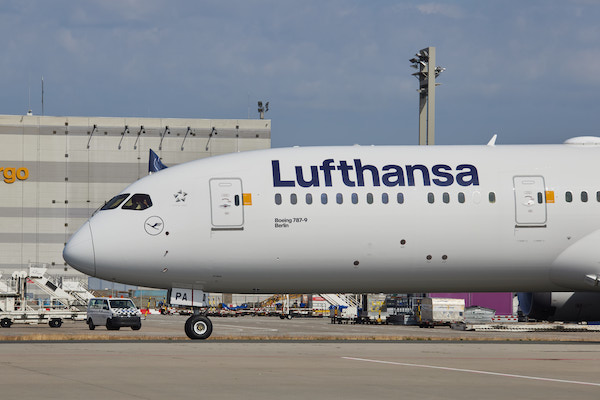
FRANKFURT, GERMANY, Operations at Lufthansa’s primary hubs in Frankfurt and Munich will grind to a halt on Thursday, February 12, 2026. The pilot union Vereinigung Cockpit (VC) and cabin crew union UFO have launched a coordinated 24-hour walkout, grounding nearly all departures from German airports. The strike stems from a deadlock in negotiations regarding pension benefits for pilots and job security for cabin staff at the subsidiary Lufthansa CityLine. Airline management has formally rejected the unions’ demands, labelling the industrial action an “unnecessary escalation” that threatens the carrier’s fragile financial recovery. Tens of thousands of passengers face immediate cancellations, with the airline issuing urgent notices for rebooking and flight status verification.
MANAGEMENT ALLEGES UNNECESSARY ESCALATION
Lufthansa Chief Human Resources Officer Michael Niggemann has publicly condemned the strike action. In a statement released Wednesday, Niggemann characterized the walkout as a disproportionate response to ongoing talks. He asserted that “Lufthansa Classic simply has no financial leeway” to accommodate the demands, which include a return to guaranteed pension payouts for pilots. Management argues that conflicts must be resolved at the negotiating table rather than through operational disruptions that alienate passengers. This rhetoric aims to shift public sentiment by framing the unions as intransigent despite the airline’s offer to continue dialogue.
FINANCIAL DISCREPANCIES AND UNION DEMANDS
The core of the dispute reveals a sharp contrast between corporate strategy and employee welfare. Pilots represented by VC are demanding increased company contributions to their pension schemes. They argue that the shift from defined benefits to a market-based model has eroded their retirement security. The union seeks a monthly increase of approximately €2,400 per pilot. Conversely, the airline cites high operating costs and debt management as barriers. However, labor leaders point to the airline’s recent strategic expenditures, including the launch of the new subsidiary “City Airlines,” as evidence that funds are available but misallocated. UFO representatives describe the shuttering of CityLine as a “victim of tariff escape,” accusing the airline of bypassing collective bargaining agreements to hire staff at lower rates.
The logistical fallout extends beyond simple flight cancellations. The strike affects all Lufthansa and Lufthansa Cargo departures from Germany between 00:01 and 23:59 local time. While flights operated by subsidiaries like Eurowings and Discover Airlines remain technically unaffected, the disruption to the mainline fleet will cause severe ripple effects. Ground operations, deadhead flights for crew positioning, and cargo logistics face immediate paralysis. Aviation analysts warn that the concentration of cancellations at major intercontinental hubs will strand international travellers and delay freight shipments essential to the German export economy.
Lufthansa has placed the burden of schedule management on travellers. The airline issued notices advising passengers to check flight statuses digitally before proceeding to airports. While European passenger rights regulations (EU 261) mandate rebooking and potential compensation, the scale of the disruption makes immediate resolution difficult. The airline has promised automatic rebooking where possible, yet the sudden removal of capacity leaves limited options. This operational breakdown forces passengers to bear the upfront costs of delays, challenging the airline’s narrative of customer-centric service.
This strike marks a critical juncture in European aviation labour relations. If Lufthansa successfully weathers the operational cost without conceding to pension demands, it may accelerate the industry-wide trend of shifting operations to lower-cost subsidiaries. Conversely, a victory for VC and UFO could force legacy carriers to reassess the financial viability of market-based pension models. The dispute highlights the growing friction between legacy labour contracts and modern cost-cutting airline business models. Continued intransigence from both sides suggests a prolonged period of instability for German air travel throughout the first quarter of 2026.
 Vibhuuti Goyal