

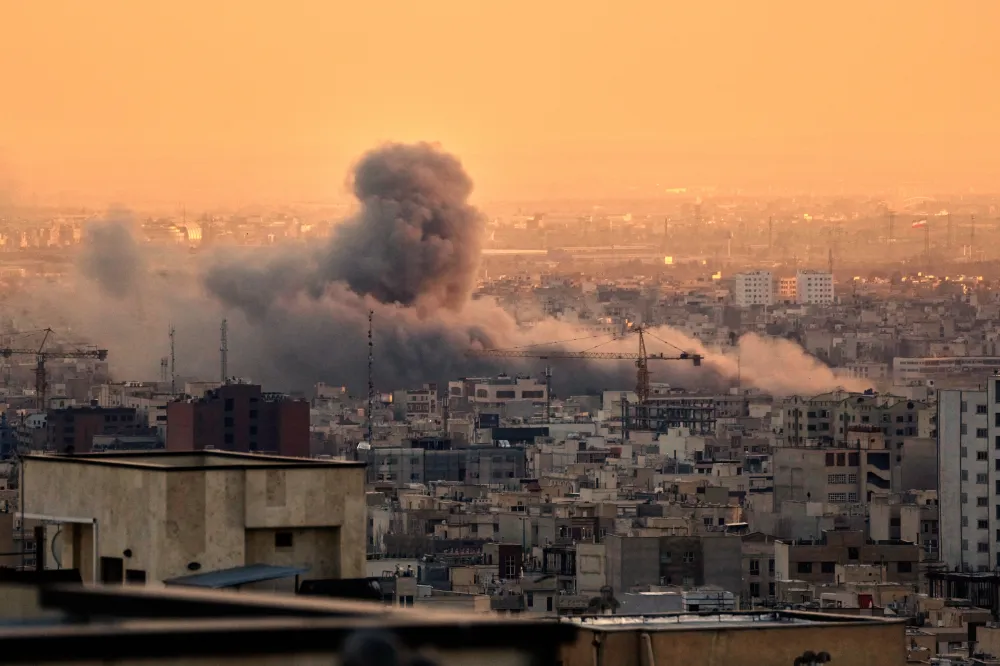
In the early hours of February 28, 2026, the Middle East changed permanently. A coordinated U.S.-Israeli strike killed Iranian Supreme Leader Ali Khamenei and gutted Iran’s military command. Within hours, Iran fired back — not with conventional jets or a single ballistic missile, but with something far more disruptive: wave after wave of Shahed drones launched at every U.S. base, port, airport, and energy installation across the Gulf.
What followed was the most sustained drone and missile campaign ever recorded in the Middle East. Fourteen days. Thirty-seven confirmed attack waves. Over 3,500 one-way attack drones. Twelve countries hit. And a real-time stress test of every air defense system the Western world has deployed in the region.
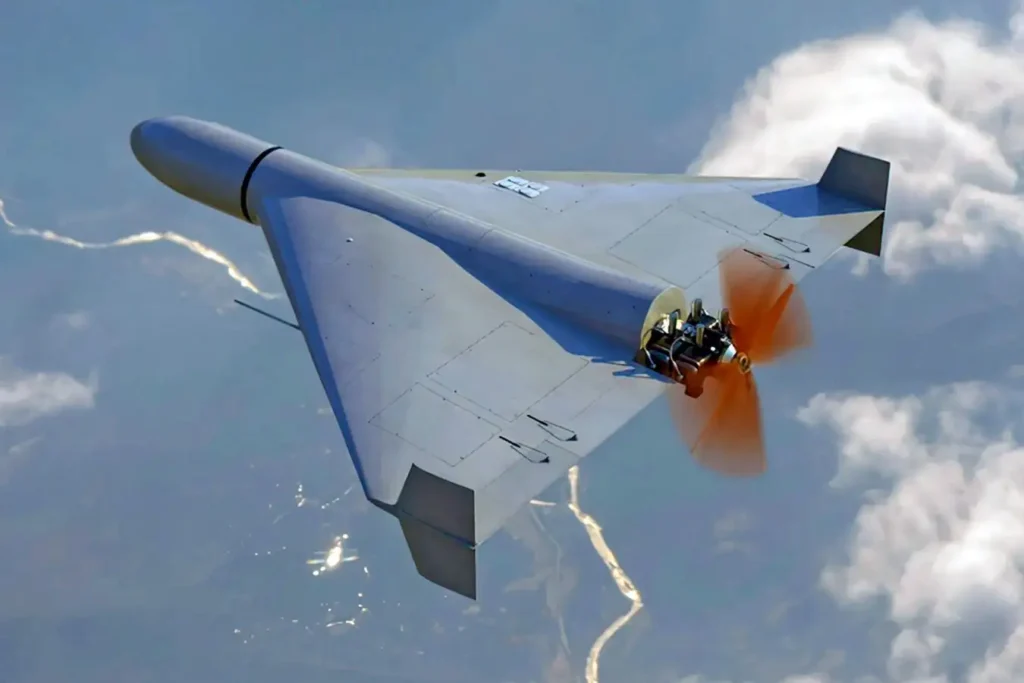
This is the complete, data-packed timeline of Iran’s drone attack campaign in 2026 — every major incident, every key number, and what it all means for the future of drone warfare. We update this post as events develop.
Why It Started: The Trigger Behind Iran’s 2026 Drone War
The 2026 Iran war didn’t come out of nowhere. In January 2026, Iranian security forces killed thousands of protesters during what analysts described as the largest civil unrest since the Islamic Revolution. U.S. President Donald Trump publicly threatened military action. Diplomatic back-channels broke down.
On February 28, the U.S. and Israel launched Operation Epic Fury — a coordinated strike campaign that assassinated Supreme Leader Khamenei, destroyed Iran’s air force, dismantled its air defense network, and targeted its nuclear infrastructure. Iran entered the conflict with no air cover and no radar grid. Its response was the only weapon it had left in volume: drones.
Iran entered this war having rebuilt its ballistic missile arsenal to approximately 2,500 missiles after the 2025 Twelve-Day War — far beyond pre-conflict estimates. On drones, production capacity was estimated at hundreds of units per week. Tehran had been preparing for exactly this scenario.
The Numbers: Iran’s Drone War By the Data
Key statistics as of March 15, 2026 (updated)
| Metric | Figure | Source / Note |
| Total drones fired | 3,560+ | Iran (Operation Roaring Lion); exceeds entire 2025 Twelve-Day War by Day 3 |
| Total ballistic missiles | 2,410+ | Multiple to UAE, Kuwait, Qatar, Bahrain, Saudi, Jordan, Israel — 40% at Israel |
| Attack waves launched | 37+ | IRGC confirmed 37 waves in 12 days; daily attacks continued through Day 14 |
| Countries hit | 13 | UAE, Kuwait, Bahrain, Qatar, Saudi Arabia, Jordan, Israel, Iraq, Oman, Turkey, Cyprus, Iran-Kurdistan, Azerbaijan |
| UAE — drones detected | 1,567 | UAE Ministry of Defence (largest single-country target in history) |
| UAE — projectiles total | 1,868 | 1,567 UAVs + 285 ballistic missiles + 15 cruise missiles |
| Kuwait — total targeted | 640+ | 414 drones + 226 missiles — includes US Embassy and Camp Buehring |
| US military casualties | 13 killed | 7 in Iranian attacks; 6 in KC-135 refueling crash in Iraq (non-hostile) |
| US service members wounded | ~200 | ~170 returned to duty; 10 seriously wounded as of March 13 (CENTCOM) |
| Iran drone rate drop | 95% | Secretary Hegseth, March 13: one-way attack drones down 95% from peak |
| Iran missile rate drop | 90% | From 480 launches/day on Feb 28 to ~40 by March 9 (Jerusalem Post data) |
| US/Israel targets struck in Iran | 15,000+ | Hegseth, March 13: 1,000+ per day across 30 of Iran’s 31 provinces |
| Iran launchers destroyed | 60%+ | IDF estimates; 43 Iranian naval vessels also destroyed or damaged |
Day-by-Day Timeline: Iran’s Drone Attack Campaign

All times are approximate. Figures are confirmed reports only.
| Date | Key Event | Details |
| Feb 28 | Operation Epic Fury begins | U.S.-Israeli strikes kill Khamenei. Within hours, Iran fires Wave 1 — 285 ballistic missiles, 689 drones toward UAE alone. US bases in Bahrain, Qatar, Kuwait targeted. Dubai’s Fairmont The Palm hotel struck, 4 injured. |
| Feb 28 | AWS data center hit | AWS data center in UAE (mec1-az2) struck by ‘objects,’ power shut down. Cloud outage affects Gulf region. French base Camp de la Paix in Abu Dhabi also hit. |
| Mar 1 | Fifth Fleet HQ struck — Bahrain | Iranian missile hits US Navy’s Fifth Fleet HQ in Manama. ~300 British personnel nearby; no casualties. Bahrain’s Era Views Tower struck by drone. Air raid sirens activated across Bahrain. |
| Mar 1 | Israel struck — Wave 1 | Ballistic missile hits Beit Shemesh, central Israel. 9 killed, 20+ injured. Strikes reported in Tel Aviv and Haifa. Israel declares state of emergency. |
| Mar 1 | Kuwait — US service members killed | Iranian drone strikes Camp Buehring — first confirmed US combat deaths. 6 US service members killed. US Embassy in Kuwait later struck, closed indefinitely. |
| Mar 1–3 | 37 waves begin across Gulf | IRGC publicly declares simultaneous targeting of 27 US bases — Al Udeid (Qatar), Ali Al Salem (Kuwait), Al Dhafra (UAE), Fifth Fleet HQ (Bahrain). Drone and missile rain becomes daily cycle. |
| Mar 2 | Kuwaiti F/A-18 friendly fire | Kuwaiti pilot shoots down 3 US F-15E fighters in friendly fire incident. All 6 crew survive. Incident signals extreme operational stress on coalition air defense. |
| Mar 2 | Mina Salman Port, Bahrain | Iranian missile strikes port; Bangladeshi worker killed by debris. US tanker MT Stena Imperative set ablaze. Amazon Web Services data center also hit by debris. |
| Mar 3–5 | Iran fires 2,000+ drones in 5 days | Fars News confirms 500+ ballistic missiles and ~2,000 drones fired since Day 1. 60% targeted US military positions; 40% aimed at Israel. Dubai Palm Jumeirah and Burj Al Arab area struck — windows shattered. |
| Mar 5 | Camp Buehring struck again | Second Iranian drone strike on Camp Buehring, Kuwait, targets US forces. UAE intercepts 125 of 131 drones in single day; 6 hit UAE territory. |
| Mar 6 | Ras Laffan gas facility — Qatar | Qatar shoots down 2 Iranian Su-24 bombers. Ras Laffan industrial city struck. Unexpected shutdown sends global fuel prices sharply higher. Qatar urges residents to stay indoors. |
| Mar 7 | NATO intercepts missile — Turkey | Iranian ballistic missile enters Turkish airspace. NATO air defense assets intercept it over Eastern Mediterranean. Sirens at Incirlik base. Turkey demands explanations. |
| Mar 9–10 | Bahrain civilian killed | Drone strikes Seef district office tower in Manama — 29-year-old Bahraini woman killed, 8 injured. Sitra Al Maameer oil facility struck, 32 injured. BAPCO declares force majeure. |
| Mar 10 | Iran’s drone rate collapses 92% | Jerusalem Post analysis: daily launches drop from 720 drones (Day 1) to 60. Ballistic missiles drop from 480/day to 40. Over 60% of Iranian launchers destroyed. Arsenal being consumed faster than it’s replenished. |
| Mar 11 | Hormuz vessel struck | Ship ablaze 35 nautical miles north of Jebel Ali, UAE. Iran threatens to close Strait of Hormuz — declares ‘not even a litre of oil’ will move to US/Israel/allies. Traffic in Strait effectively halted. |
| Mar 11–12 | Wave 37 — largest single day | IRGC declares 37th attack wave — Day 12 of war. Four missiles fired at Camp Arifjan, Kuwait. UAE takes 10 missiles and 26 drones in one day. Bahrain fuel tanks struck near airport. Saudi Shaybah oilfield targeted. |
| Mar 12 | Jerusalem prayer sites paused | Iranian missiles fired at Jerusalem. Strike lands several hundred meters from Western Wall, Al-Aqsa Mosque, Church of Holy Sepulchre. Israeli Foreign Ministry suspends prayer at all holy sites. |
| Mar 12 | UAE total — 1,540 UAVs | UAE Ministry of Defence announces cumulative figures: 1,540 UAVs + 278 ballistic missiles + 15 cruise missiles engaged since Feb 28. Six killed including Emirati, Pakistani, Nepali, Bangladeshi nationals. |
| Mar 13 | 6 US crew killed — KC-135 crash | US aerial refueling aircraft (KC-135) crashes in Iraq. All 6 crew killed — confirmed non-hostile, not caused by Iranian fire. Total confirmed US military deaths in theater: 13. |
| Mar 13 | Hegseth: drones down 95% | US Defense Secretary Pete Hegseth at Pentagon: ‘Their one-way attack drones, yesterday, down 95%.’ Confirms 200 US service members wounded; ~170 returned to duty. 15,000 targets struck in Iran by US/Israel combined. |
| Mar 14 | Fujairah oil hub fire | Fire breaks out at UAE’s Fujairah bunkering hub after drone debris. Some oil-loading operations suspended. IRGC warns UAE civilians to evacuate ports and US military facilities. |
| Mar 14–15 | Kuwait airport hit again | Several drones strike Kuwait International Airport — radar system damaged, no casualties. Ahmed Al-Jaber Air Base struck; 3 personnel minor injuries. Jordan intercepts 79 of 85 missiles/drones in week 2. |
Country-by-Country: Who Got Hit and How Bad
🇦🇪UAE — Most Targeted Nation: The UAE absorbed 48% of all Iranian projectiles — more than Israel. 1,868 total weapons engaged. 6 killed, 141 injured. Targets included Dubai International Airport Terminal 3, Palm Jumeirah, Jebel Ali Port, Fujairah oil hub, Al Dhafra Air Base, and an AWS data center. Private jet exodus saw evacuation flights costing up to $250,000. UAE oil production dropped 500,000–800,000 barrels/day.
🇰🇼Kuwait — Second Highest: 640+ drones and missiles targeted Kuwait. US Embassy struck and closed. Camp Buehring hit twice — 6 US service members killed in first strike. Kuwait International Airport radar damaged. Friendly fire incident (Kuwaiti F/A-18 downs 3 US F-15Es) highlights operational chaos.
🇧🇭Bahrain — US Fifth Fleet Pressure: Fifth Fleet HQ struck on Day 1. Bahrain International Airport fuel tanks hit, starting fire. BAPCO refinery hit — force majeure declared. 2 dead, 50+ injured. Gulf Air relocated entire fleet to Saudi Arabia. AWS data center in Bahrain hit by debris.
🇶🇦Qatar — Gas Infrastructure Target: 69 drones and 162 missiles engaged. Ras Laffan industrial city (world’s largest LNG hub) shutdown triggered global energy price spike. Al Udeid Air Base (largest US base in Middle East) struck by 2 ballistic missiles. Qatar shot down 2 Iranian Su-24 bombers — first nation to down an Iranian aircraft.
🇸🇦Saudi Arabia — Energy Infrastructure: Shaybah oilfield in the Empty Quarter targeted repeatedly. Prince Sultan Air Base engaged. Riyadh and Eastern Province strikes intercepted. Saudi Crown Prince vowed military response if attacks continue.
🇮🇱Israel — 12.8% of All Projectiles: Israel absorbed 15 killed, 1,200+ injured despite receiving only 12.8% of all projectiles (392 total). Beit Shemesh missile strike on Day 1 killed 9. Jerusalem holy sites threatened on Day 12.
🇯🇴Jordan — NATO Territory Reached: 119 missiles and drones engaged. 14 injured. Muwaffaq Al Salti Air Base (hosting US and German forces) struck. Jordan’s air force actively shot down Iranian ballistic missiles over its territory.
🌍Further Afield: Cyprus (Akrotiri British base struck by drone). Turkey (ballistic missile enters NATO airspace, intercepted). Iraqi Kurdistan (Erbil Airport, US Consulate, French base). A French soldier killed by Iranian drone in Kurdistan — French President Macron condemned attack publicly. A US submarine sank Iranian frigate IRIS Dena off Sri Lanka — 87 Iranian sailors killed.
What Was Iran Actually Targeting? The Strategy Behind the Swarm
This wasn’t random. Analysts and satellite data confirm Iran’s attack pattern followed a deliberate strategic logic across four target categories.
1. US military bases: IRGC confirmed targeting 27 US bases across the region — every major hub from Al Udeid (Qatar) to Camp Arifjan (Kuwait) to the Fifth Fleet in Bahrain. The goal was to inflict casualties and force the U.S. into diverting air defense assets away from strikes on Iran.
2. Energy infrastructure: Saudi Shaybah oilfield. Qatar’s Ras Laffan LNG facility. Fujairah bunkering hub. Bahrain’s BAPCO refinery. Abu Dhabi oil terminals. The pattern is clear — attack the Gulf’s economic backbone to create political pressure on Arab governments hosting US forces.
3. Airports and ports: Dubai International Terminal 3. Kuwait International Airport. Fujairah Port. Jebel Ali Port. Duqm Port (Oman). These targets were chosen for their dual-use nature — civilian panic plus logistics disruption.
4. Data and communications: AWS data centers hit in both UAE and Bahrain. Iranian-backed hackers compromised the BadeSaba prayer app (5 million downloads) to push defection messages to IRGC soldiers. Digital warfare ran parallel to the drone campaign from Day 1.
The INSS Israel assessment confirmed the number: Iran launched 2.5 times more missiles and 20 times more drones at Gulf states than at Israel. This was economic punishment warfare, not a military-to-military conflict.
How Is the Campaign Ending? What the Data Shows
By Day 10, the math had turned against Iran. Its ballistic missile launch rate had collapsed 92% from peak — from 480 daily launches on February 28 to just 40 by March 9. Drone launches followed an identical curve, down from 720 to 60 per day. Over 60% of Iran’s missile launchers had been neutralized. 43 Iranian naval vessels were destroyed or damaged.
On March 13, Secretary of Defense Pete Hegseth declared Iran’s one-way attack drone operations were down 95% from peak levels. Iran had entered the war with approximately 2,500 ballistic missiles. By Day 10, roughly 2,410 had been fired. The stockpile was nearly expended and the infrastructure to launch what remained was being systematically destroyed.
But “down 95%” doesn’t mean over. Daily attacks continued through March 14–15. Kuwait’s airport radar was still being hit. Fujairah’s oil hub caught fire on March 14. Iran’s new Supreme Leader Mojtaba Khamenei — elected March 8 to replace his assassinated father — publicly stated the Strait of Hormuz would remain closed until the war ended. The campaign is degraded, not finished.
What Iran’s 2026 Drone Campaign Has Proven — Permanently?
Regardless of how this conflict ends, the 2026 Iran drone attack campaign has already written several pages of modern military history that can’t be unwritten.
Drone swarms are now a weapon of mass disruption. No single missile defense network in the world was built to handle 1,500+ drones in two weeks. The UAE’s air defense — arguably the most capable in the Gulf — absorbed 1,868 projectiles and still saw fires at its ports, its airports, and near its most iconic landmarks.
The cost asymmetry is real and it’s fatal for the defender. Iran spent an estimated $150–200 million building the drones it fired. The coalition spent multiples of that intercepting them — and still couldn’t achieve 100% intercept. That math does not improve with scale; it gets worse.
Energy infrastructure is the soft underbelly of modern warfare. The Ras Laffan shutdown. The Fujairah fires. The BAPCO force majeure. These weren’t collateral damage — they were the point. Iran demonstrated that a nation with drones can hold global energy markets hostage without deploying a single jet.
Gulf states are now in the conflict whether they want to be or not. Saudi Arabia, the UAE, Qatar, Kuwait, Bahrain — none of them started this war. All of them are now fighting it daily, draining missile interceptors, closing airports, and evacuating civilians. The era of safe basing in the Gulf is over.
© 2026 AeroMantra Defense Desk. Updated March 15, 2026.
 Priyanshu Gautam
  Anshum Raj