

The U.S. aviation industry is facing another legal storm as JetBlue Airways finds itself at the center of a high-stakes lawsuit filed by its own pilots’ union. JetBlue pilots, represented by the Air Line Pilots Association, International (ALPA), filed the lawsuit against JetBlue Airways in the United States District Court for the Eastern District of New York after management refused to fully arbitrate all aspects of a contractual grievance over whether the company’s Blue Sky arrangement with United Airlines violates job protections in the JetBlue pilot contract.
The lawsuit is the latest turbulence for an airline that has been navigating financial headwinds, failed mergers, and a rapidly evolving competitive landscape. At the heart of the case is a fundamental question: does JetBlue’s Blue Sky partnership with United Airlines breach the labor rights of over 4,600 pilots?
What Is the Blue Sky Partnership?
First announced in May 2025, Blue Sky is a close collaboration agreement between JetBlue and United Airlines that includes reciprocal benefits for frequent flyers of both carriers, a new interline agreement, and slot sharing at New York JFK and Newark airports.
Supporters of Blue Sky have presented the arrangement as a consumer-friendly alternative to consolidation, offering more one-stop and connecting options without a formal merger. In practice, the deal gives United and JetBlue a way to extend their reach in the congested New York and Newark area and on other competitive corridors, while retaining separate corporate structures and brands.
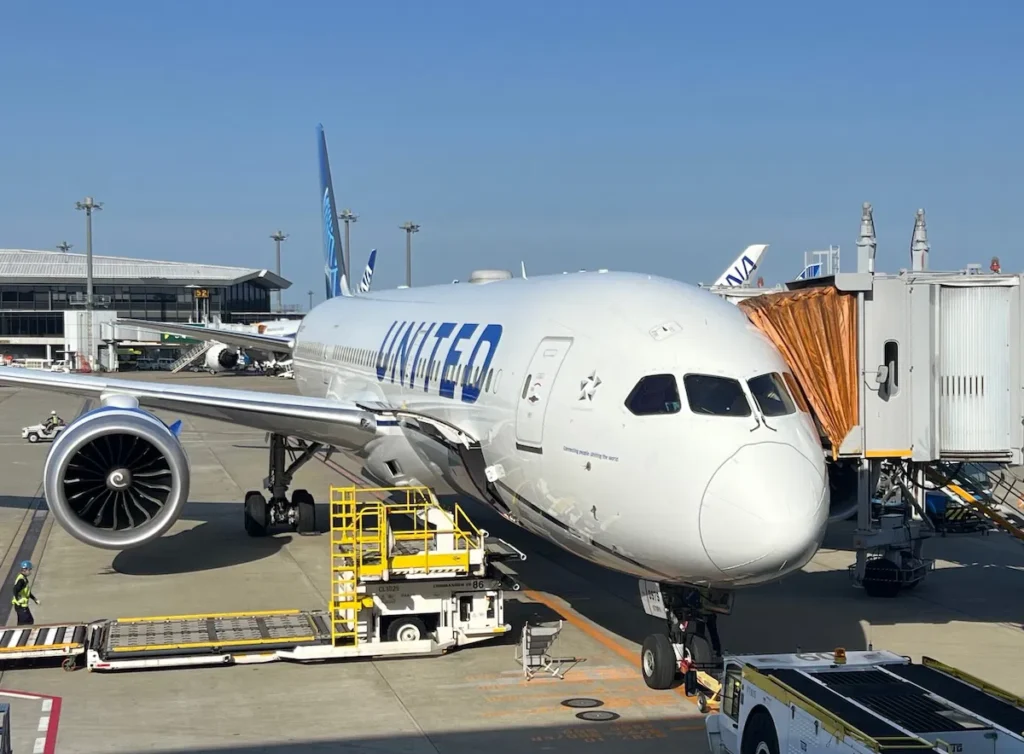
More recently, the Blue Sky partnership reached a new milestone when JetBlue and United started to offer for sale flights operated by either carrier on their respective websites, using either cash or frequent flyer points. For travelers, this appeared to be a win. But behind the scenes, a simmering dispute between JetBlue management and its pilots was approaching a boiling point.
Why Are JetBlue Pilots Suing?
The pilots’ core concern is job security. The primary point of contention for the Pilots’ Association is that JetBlue has failed to provide formal assurance of career benefits to pilots under the Blue Sky partnership.
The union fears that such cooperation could result in “farming out” flights, reducing available flying opportunities for JetBlue pilots. This concern comes at a critical time, as pilots are negotiating a new labor contract.
According to the lawsuit, filed in a New York district court, JetBlue initially agreed to have the dispute settled through arbitration, but last month, JetBlue suddenly decided that it didn’t consent to the arbitrator deciding some element of ALPA’s grievance. JetBlue contended that the pilot collective bargaining agreement didn’t give ALPA the power to challenge arrangements like frequent flyer perks, slot access, and ancillary sales.
ALPA pushed back forcefully. Captain Wayne Scales, chairman of the JetBlue unit of ALPA, stated: “Despite the arbitration being scheduled months ago, JetBlue management chose the eleventh hour to attempt to deny pilots any effective hearing on the grievance… We believe that JetBlue is playing games rather than living up to its obligation to resolve disputes.”
The union argues that under the Railway Labor Act — the federal law governing labor relations in the U.S. airline industry — JetBlue is legally required to submit the entire grievance to binding arbitration, not just portions of it.
The Shadow of the Northeast Alliance
This is not the first time JetBlue has faced legal battles over an airline partnership. JetBlue and the Pilots’ Union previously settled a similar conflict over the terms of the Northeast Alliance in 2022. A Federal Court ruled the alliance violated antitrust laws in 2023, forcing both American Airlines and JetBlue to cancel their combined operations in New York and Boston.
After the two carriers failed to agree on a new, more limited partnership that could withstand legal scrutiny, American Airlines filed a $100 million lawsuit against JetBlue for unpaid obligations.
The pilots’ union is now using that history as leverage. The pilots’ union views the Northeast Alliance as a precedent, arguing that similar risks exist in the Blue Sky arrangement, particularly regarding job protections and operational control.
Meanwhile, Spirit Airlines has already made public complaints that Blue Sky is a merger in every way except name — a characterization that could attract fresh regulatory attention.
What Happens Next?
The lawsuit requests that the Court compel JetBlue to arbitrate the entirety of the union’s grievance concerning the Blue Sky arrangement, and it is not expected to affect ongoing contract negotiations.
Pilots are seeking a significant salary raise and more pilots on the payroll to support capacity increases that partnerships like the Blue Sky deal will bring. The standing terms of the JetBlue pilots became amendable on February 1, 2025.
If the case proceeds, court filings and discovery could shed light on how the two airlines modeled capacity shifts and employment impacts when negotiating the partnership — a transparency that both union members and industry observers are keen to see.
Industry analysts note that JetBlue may limit the scope of the partnership to avoid further regulatory challenges. Restricting Blue Sky to loyalty benefits and interline agreements — rather than deeper operational coordination — could be the airline’s safest path forward.
The Bigger Picture
The JetBlue-ALPA lawsuit is more than a labor dispute. It reflects the growing tension across the U.S. aviation sector between airlines seeking competitive advantage through strategic alliances and employees demanding enforceable protections when those alliances reshape their working conditions.
As U.S. courts and regulators continue to scrutinize airline partnerships with increasing rigor, JetBlue’s Blue Sky arrangement will serve as a critical test case — one that could set the tone for how future airline collaborations are structured, regulated, and contested by labor groups for years to come.
For additional operational briefings and the latest Airline News, monitor our dedicated aviation intelligence category.
 Aastha Choudhary
  Martin hope