


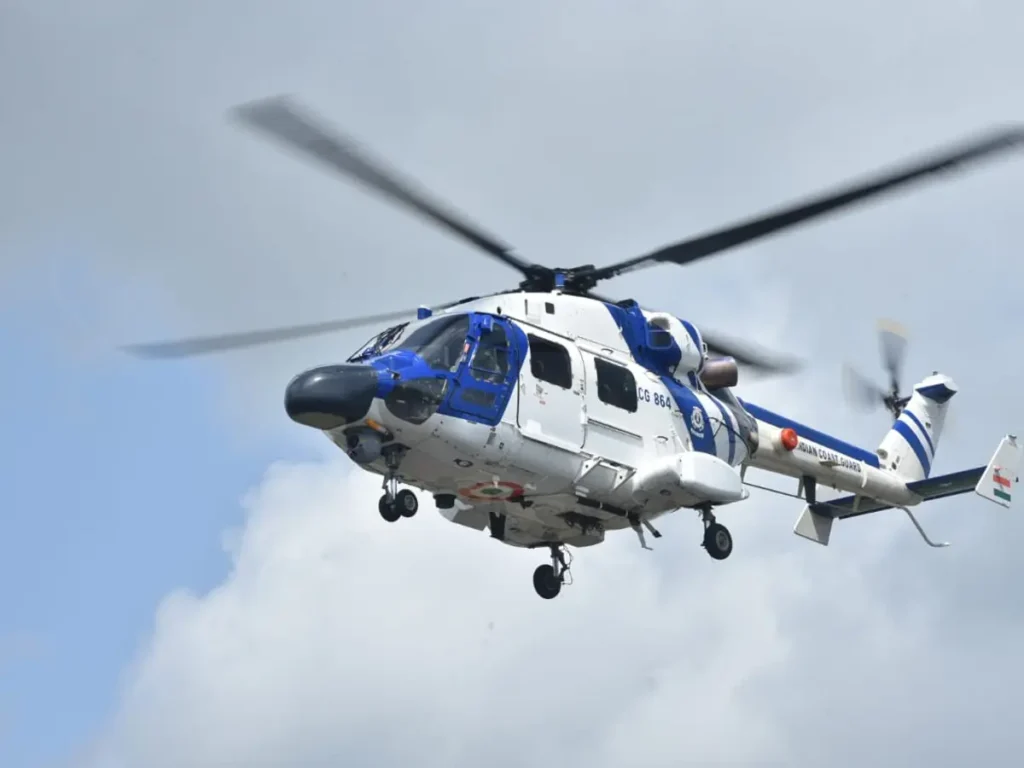
HAL Rotorcraft Engineering Pivot Solidifies Maritime Defense Readiness. Hindustan Aeronautics Limited (HAL) has successfully formalized a contract valued at ₹2,900 crore for the delivery of six Advanced Light Helicopter (ALH) Mk-III Dhruv units to the Indian Coast Guard (ICG).
This procurement marks a decisive step in the indigenous rotorcraft programme, signaling renewed operational trust following a period of rigorous engineering evaluation. The contract focuses on the Mk-III variant, which is specifically optimized for maritime surveillance and search-and-rescue (SAR) missions in challenging environments.
The primary driver for this contract is the integration of critical structural upgrades, specifically the replacement of aluminum control rods with high-tensile stainless steel components. This material transition addresses long-standing fatigue concerns that affected the fleet’s availability over the previous eighteen months.
By securing this agreement, HAL reinforces its position as the primary provider for India’s vertical lift requirements while demonstrating the technical agility required to rectify complex aerospace engineering hurdles. The Indian Coast Guard currently operates a diverse fleet of rotorcraft, and the addition of these six specialized units will significantly enhance coastal security infrastructure.

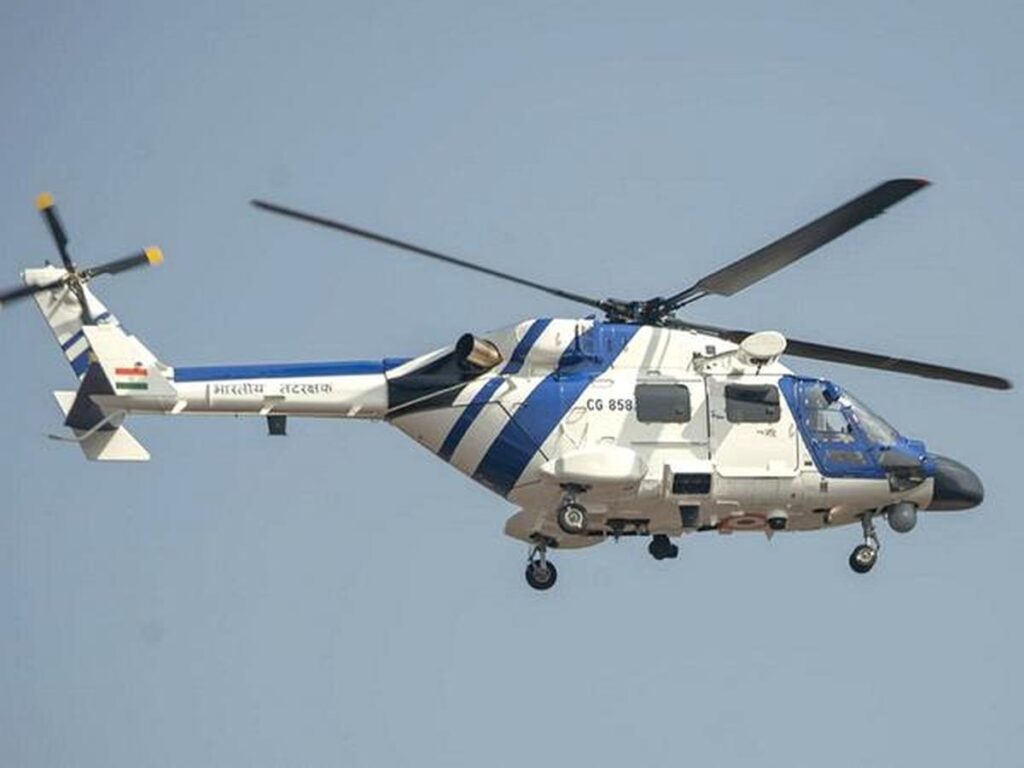
The MK-III variant is equipped with advanced sensors, including a high-definition electro-optical pod and a long-range maritime surveillance radar. These systems allow for the detection of small vessels and personnel in distress under adverse weather conditions.
The historical context of the Dhruv programme involves a series of technical challenges that led to a comprehensive safety audit in 2023. This audit identified the control rod assembly as a critical failure point under specific vibrational frequencies. The subsequent redesign has undergone exhaustive flight testing to ensure that the new stainless steel rods can withstand the high-stress cycles typical of maritime operations.
Total Contract Value: ₹2,900 Crore.
Unit Count: 6 ALH Mk-III Helicopters.
Material Upgrade: High-tensile stainless steel control rods.
Engine Specification: Twin Shakti (Ardiden 1H1) engines.
Operational Range: Approximately 660 km.
Payload Capacity: 1,500 kg underslung.
Endurance: 3.5 hours of continuous flight time.
A technical observation of this contract reveals a fundamental shift in HAL’s metallurgical strategy, moving away from weight-optimized aluminum alloys toward fatigue-resistant steel alloys in critical flight control paths. When compared to international competitors like the Leonardo AW139, the ALH Mk-III now offers a comparable safety margin in high-salt environments due to these improved anti-corrosive measures.
The operational implication of this shift is a projected 25 percent reduction in unscheduled maintenance grounded events, which will directly improve the ICG’s sortie generation rate during critical rescue windows. In the context of broader Airline News reporting, the focus often remains on fixed-wing commercial fleets, yet the health of the rotorcraft sector is a vital indicator of regional aerospace capacity.
The strategic forecasting for the Dhruv programme suggests that this ICG contract will serve as a baseline for future export variants intended for the Indian Ocean Region (IOR). Countries such as Mauritius and the Maldives have previously shown interest in the platform, and the resolution of the control rod issue is likely to reignite these discussions.
The integration of the Shakti engines, developed in collaboration with Safran, provides the necessary power margins for the Mk-III to operate with full sensor suites without compromising on fuel endurance. The high-tensile stainless steel used in the cyclic and collective control rods offers a higher Young’s modulus, which reduces the elastic deformation under aerodynamic load.

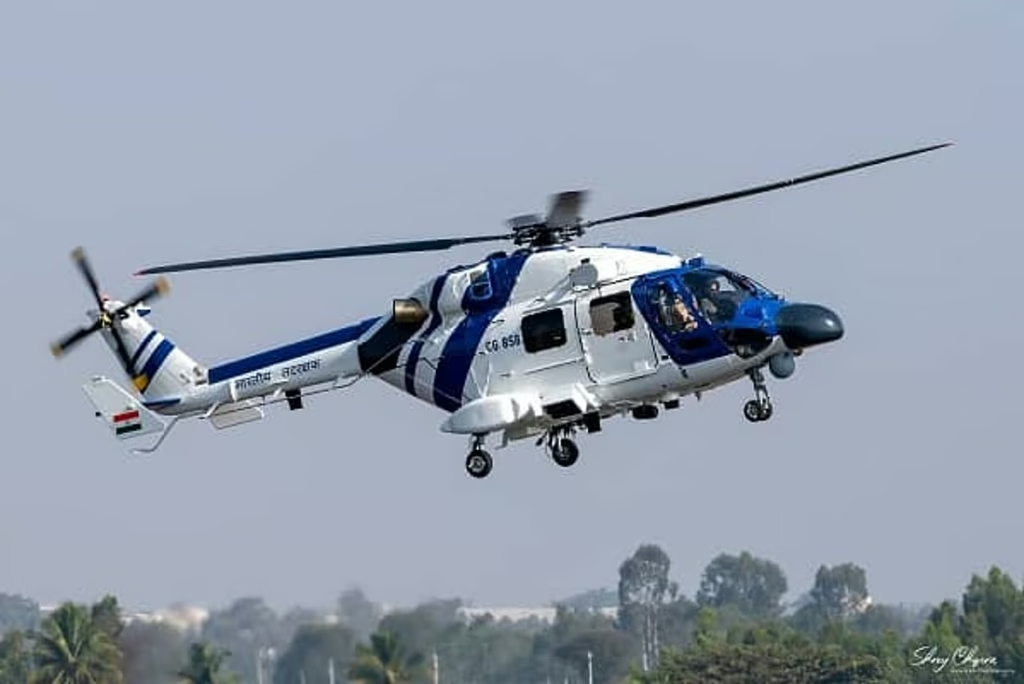
This ensures more precise blade pitch control, which is essential for deck landings on moving coast guard cutters. The maritime environment is notoriously harsh on airframes, and the move to stainless steel also mitigates the risk of stress-corrosion cracking, a common issue with high-strength aluminum in saline atmospheres.
From an infrastructure perspective, this contract supports the domestic aerospace ecosystem by engaging various Tier-2 and Tier-3 suppliers specializing in precision machining and aerospace-grade alloys. The long-term viability of the ALH programme depends on this ability to maintain a robust supply chain that can deliver upgraded components for the existing fleet of over 300 helicopters across the Indian Armed Forces.
The ICG’s decision to proceed with this acquisition demonstrates that the technical solutions provided by HAL have met the stringent airworthiness requirements of the maritime branch. As the ICG expands its role in the Indo-Pacific, the requirement for a reliable, all-weather, indigenous helicopter becomes more acute.
The Mk-III variant’s ability to perform as a force multiplier in anti-smuggling and anti-piracy operations is enhanced by its digital cockpit and integrated electronic warfare suite. The financial health of HAL is also bolstered by this ₹2,900 crore injection, which supports ongoing research and development for the next-generation Indian Multi-Role Helicopter (IMRH).
The lessons learned from the Dhruv’s material upgrades are already being integrated into the design phase of the IMRH to avoid similar fatigue-related issues in the future. As the global rotorcraft market shifts toward more resilient materials, India’s engineering pivot positions HAL as a maturing player in the high-stakes aerospace manufacturing sector.
The strategic importance of maintaining an indigenous production line cannot be overstated, especially as global supply chains remain volatile. The successful deployment of these six helicopters will serve as a proof-of-concept for the new stainless steel control system, potentially leading to a fleet-wide retrofit for the Indian Army and Navy.
This iterative improvement process is a hallmark of successful aerospace programs, where operational feedback is used to drive engineering excellence. The ICG will likely deploy these new units to strategic stations along the eastern and western seaboards, providing continuous coverage of India’s Exclusive Economic Zone (EEZ).
The enhanced durability of the control system means these aircraft can spend more time on station and less time in the hangar for structural inspections. This efficiency is critical for a service that is often the first responder to maritime emergencies and natural disasters. The contract also includes a comprehensive maintenance and spares support package, ensuring that the lifecycle costs remain predictable for the ICG.
This focus on long-term operational viability is a shift from earlier procurement models that prioritized initial acquisition costs. HAL has committed to providing onsite technical support at ICG air stations, further strengthening the partnership between the manufacturer and the operator.
The focus on high-tensile stainless steel is a technical necessity that has become a strategic advantage, allowing HAL to reclaim the narrative regarding the Dhruv’s reliability.
For additional operational briefings and the latest Defense News, monitor our dedicated aviation intelligence category.