

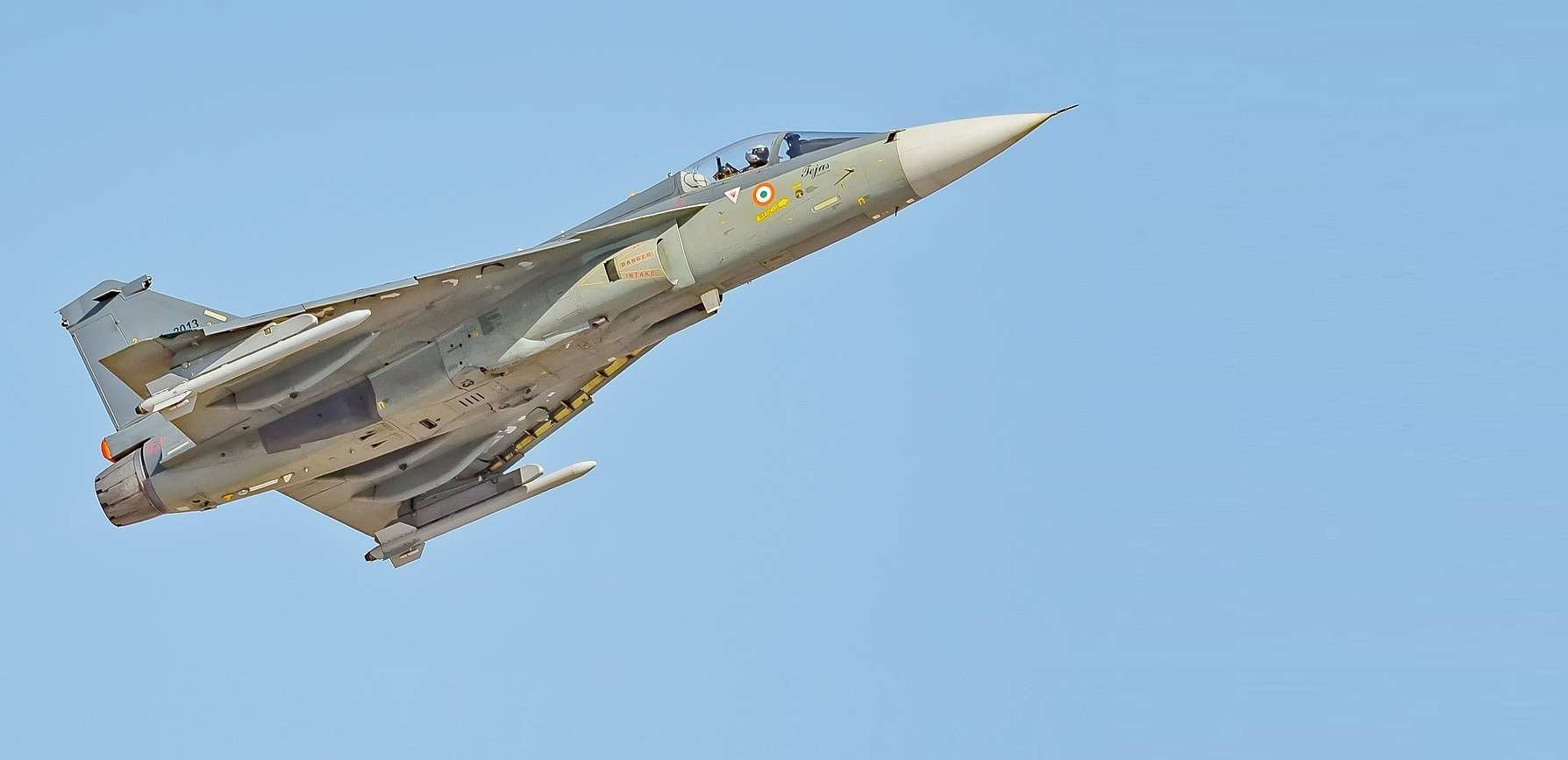
Hindustan Aeronautics Limited (HAL) has officially confirmed a target of 24 Tejas Mk1A fighter jets ready by March 2026. This production milestone stands despite critical supply chain interruptions affecting the program. Only five aircraft currently possess installed engines and are flight-ready. The remaining units face delays directly linked to the availability of US-manufactured power plants.
PRODUCTION BREAKDOWN AND STATUS
HAL manufacturing lines have produced airframes faster than the supply of propulsion systems can accommodate. Nine aircraft structures are fully manufactured but remain grounded at the facility. These units sit in storage awaiting the integration of General Electric F-404 engines.
The current production status includes:
5 Units: Engines installed and systems fully integrated.
9 Units: Airframes physically complete but missing engines.
19 Units: Total aircraft currently pending engine delivery.
GE F-404 SUPPLY CHAIN CONSTRAINTS
The primary bottleneck for the Mk1A program remains the delayed shipment of F-404-IN20 engines. HAL officials cite the unavailability of these turbines as the sole reason for the backlog. The manufacturer, General Electric, faces ongoing global supply chain challenges affecting export timelines. Indian defense planners had anticipated a smoother flow of components to meet the fiscal year deadline.
OPERATIONAL IMPACT ON AIR FORCE
The Indian Air Force relies on the Tejas Mk1A to replace retiring Soviet-era squadrons. Any delay in the March 2026 delivery schedule impacts immediate combat squadron strength. HAL is prioritizing the integration of engines immediately upon their arrival to mitigate risks. The Defense Ministry continues to monitor the delivery cadence of these critical US components.
HAL expects to clear the 19-jet backlog rapidly once engine supplies normalize. Future production blocks may require diversified supply chains to prevent similar bottlenecks. The focus now shifts to expediting the shipping logistics for the remaining powerplants. Success depends on the immediate resolution of US-based manufacturing constraints.
 Vibhuuti Goyal