

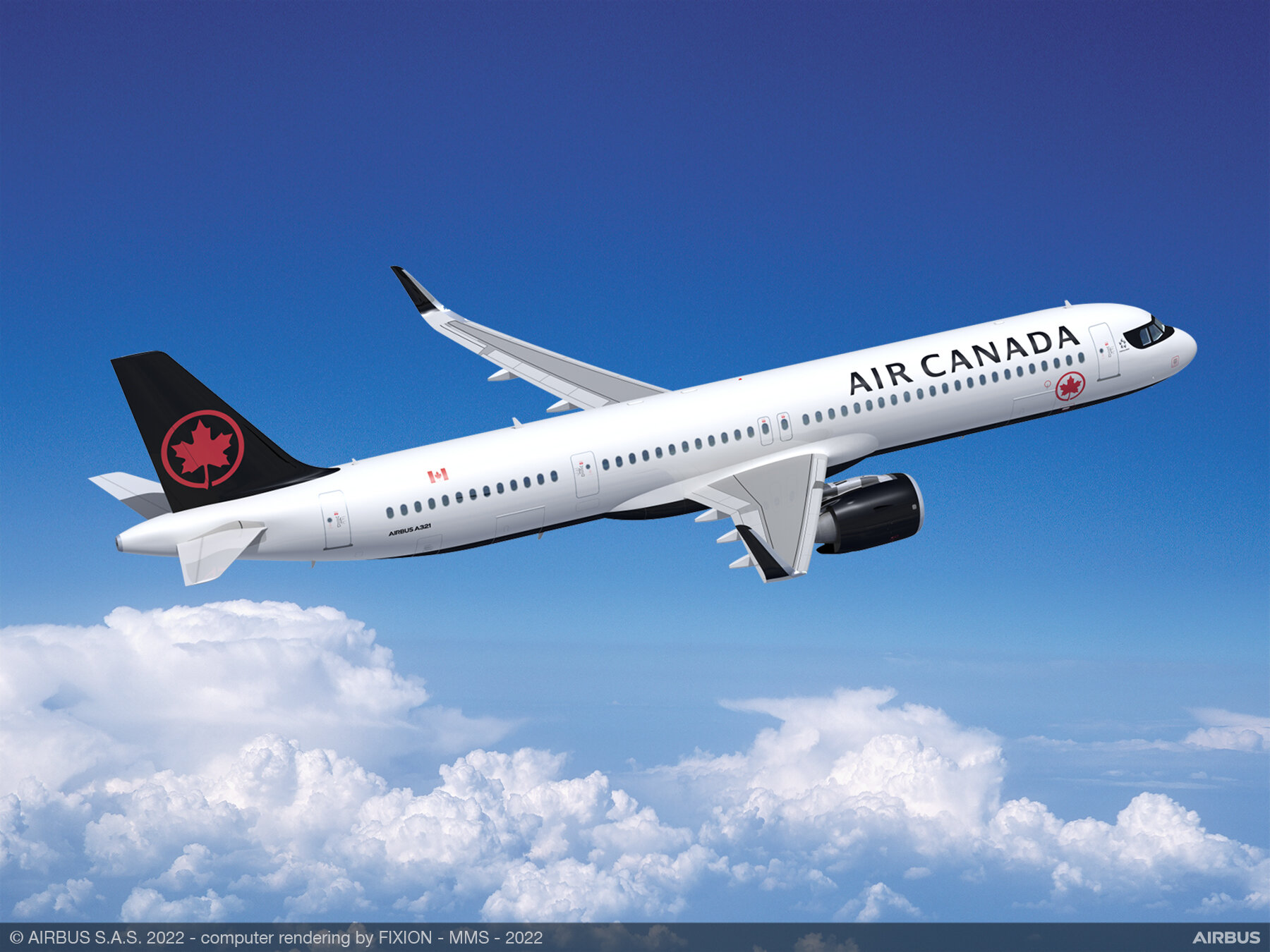
HAMBURG, Air Canada’s inaugural Airbus A321XLR successfully completed its first test flight from Hamburg Finkenwerder Airport (XFW), marking a critical advancement in the carrier’s narrowbody strategy. The aircraft remained airborne for over three hours, allowing test pilots to validate aerodynamic performance and flight control systems. This milestone signifies the beginning of a fleet transition aimed at optimizing long-thin routes that previously required larger, less efficient widebody frames.
The A321XLR program represents the latest evolution of the A320neo family, designed specifically to bridge the gap between traditional narrowbody range and widebody capabilities. For Air Canada, the integration of this airframe follows a period of significant fleet restructuring, as the airline seeks to replace aging assets and improve fuel efficiency. The flight at XFW confirms that the manufacturer is moving toward final delivery phases for the Canadian flag carrier after previous certification delays related to the rear center tank.
OPERATIONAL SPECIFICATIONS
- Range Capability: 4,700 nautical miles (8,700 kilometers).
- Fuel Consumption: 30% lower per seat compared to previous-generation aircraft.
- Fleet Order: 30 firm units with options for additional airframes.
- Maximum Takeoff Weight (MTOW): 101 tonnes, optimized for long-range endurance.
- Cabin Configuration: Three-class layout featuring lie-flat Signature Class seats.
The introduction of the XLR allows for a fundamental shift in trans-Atlantic and trans-continental network planning. By utilizing a narrowbody with a 4,700nm range, Air Canada can bypass major hubs and establish direct links between secondary cities. This point-to-point capability reduces the operational risk associated with filling 300-seat widebodies on emerging routes, providing a more granular approach to capacity management.
From a fleet economics perspective, the A321XLR offers a unique value proposition regarding trip costs versus seat-mile costs. While a Boeing 787-8 provides more total capacity, the XLR significantly lowers the break-back point for new international markets. This flexibility is essential for seasonal adjustments, where demand fluctuates between the high summer season and lower-density winter months across the North Atlantic corridor.
Infrastructure compatibility is a significant driver of this strategic acquisition. The A321XLR utilizes existing narrowbody gate infrastructure, which is generally more available and less expensive than widebody-capable stands at major international airports. This allows Air Canada to optimize turn times and reduce ground handling costs, further enhancing the profitability of long-haul sectors that were previously marginal.
Analyzing the latest Airline News reveals that the narrowbody long-haul trend is accelerating among North American carriers seeking to maintain dominance in the transatlantic market. Air Canada is positioning the XLR to serve mid-sized European markets such as Lyon, Casablanca, and Reykjavik from its Montreal and Toronto hubs. This strategy prevents market share erosion from low-cost carriers while maintaining the premium service standards expected by corporate travelers.
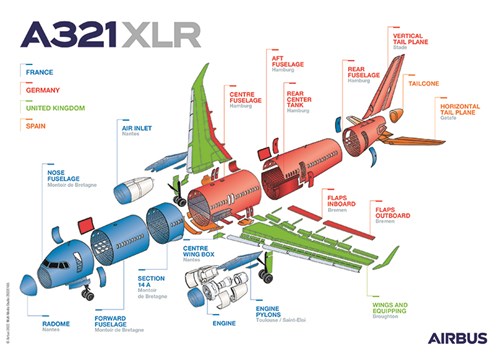
The technical validation of the Rear Center Tank (RCT) has been a primary focus of the flight test campaign. The RCT is integral to the XLR’s range, but it required specific structural modifications to meet fire safety and crashworthiness standards. The successful test flight at Finkenwerder indicates that these engineering challenges have been resolved, clearing the path for the aircraft to enter commercial service within the projected fiscal window.
Operational implications for flight crews are also substantial. The A321XLR shares a common type rating with the existing A320 fleet, allowing for seamless pilot transitions and reduced training overhead. However, the extended mission profiles—often exceeding eight hours—require specific considerations for crew rest and fatigue risk management systems. Air Canada’s investment in a premium narrowbody cabin ensures that both crew and passenger comfort are maintained during these high-endurance flights.
Environmental sustainability remains a core pillar of the A321XLR’s long-term viability. The aircraft’s reduced carbon footprint aligns with global aviation mandates to achieve net-zero emissions by 2050. By replacing older Boeing 767 or A330 airframes on thinner routes, the airline can achieve immediate reductions in CO2 output without sacrificing reach or frequency. This efficiency is a critical component of maintaining a social license to operate in increasingly regulated European airspaces.
Looking forward, the competitive landscape in Canada will likely see a bifurcated market. While low-cost entrants focus on high-density domestic routes, Air Canada will use the XLR to solidify its position as a global connector. The ability to deploy a narrowbody on an 8-hour flight provides a defensive barrier against competitors who lack the fleet diversity to match this specific range-to-capacity ratio. The XFW test flight is not just a technical success; it is a signal of a more agile operational future.
For additional operational briefings and the latest Airline News, monitor our dedicated aviation intelligence category.
 Aastha Choudhary
  Shaifali