

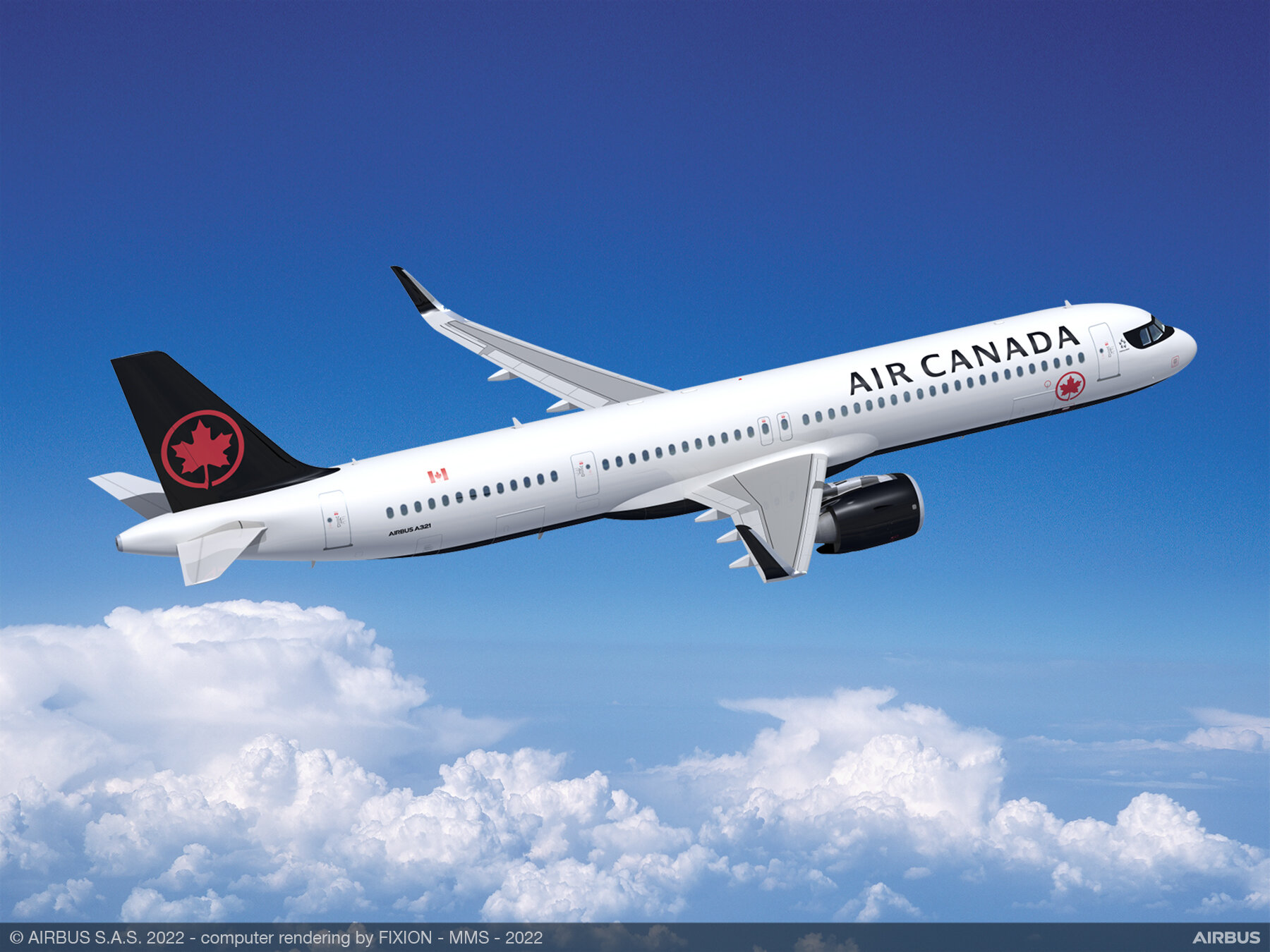
Leveraging the Boeing 737 MAX 8 for Transatlantic Dominance
Air Canada is aggressively expanding its Boeing 737 MAX 8 transatlantic footprint for the 2026 summer season, leveraging its geographic hub advantages to capture secondary European markets. This tactical shift precedes the arrival of the Airbus A321XLR, allowing the carrier to cement its dominance on thinner routes while optimizing narrowbody utilization.
By increasing seat density and flight frequencies, the airline is redefining the cost-per-available-seat-mile on long-haul segments that previously required larger, less efficient widebody aircraft. The integration of these narrowbody assets into the broader Airline News cycle reflects a growing industry trend toward frequency over gauge on low-density long-haul corridors.
Geographic Advantages and the Great Circle Shift
Historically, the North Atlantic was the exclusive domain of widebody aircraft like the Boeing 747, 767, and the Airbus A330. Air Canada discovered that its northerly hubs in Toronto, Montreal, and Halifax provided a unique geometric advantage for narrowbody operations. The Great Circle distance from Eastern Canada to Western Europe falls well within the 3,500-nautical-mile range of modern twinjets.
This geographic reality allows for the profitable operation of routes that lack the passenger demand to sustain a 300-seat widebody aircraft daily. As the industry enters the third quarter of 2026, the operational data reflects a significant intensification of this narrowbody strategy.
Analyzing the 2026 Operational Surge
Air Canada has scheduled 326 one-way departures on flights to Europe utilizing the Boeing 737 MAX 8. This represents a substantial increase from the 249 departures recorded in the same period for 2025. This 30.9% rise in flight frequency is matched by an even more aggressive 34.2% increase in total seat capacity across these specific routes.
The disparity between the increase in departures and the increase in seat capacity is attributed to a strategic cabin reconfiguration. By optimizing the Layout of Passenger Accommodations (LOPA), Air Canada has increased the per-aircraft capacity without compromising the aircraft’s weight-and-balance limits for ETOPS operations.
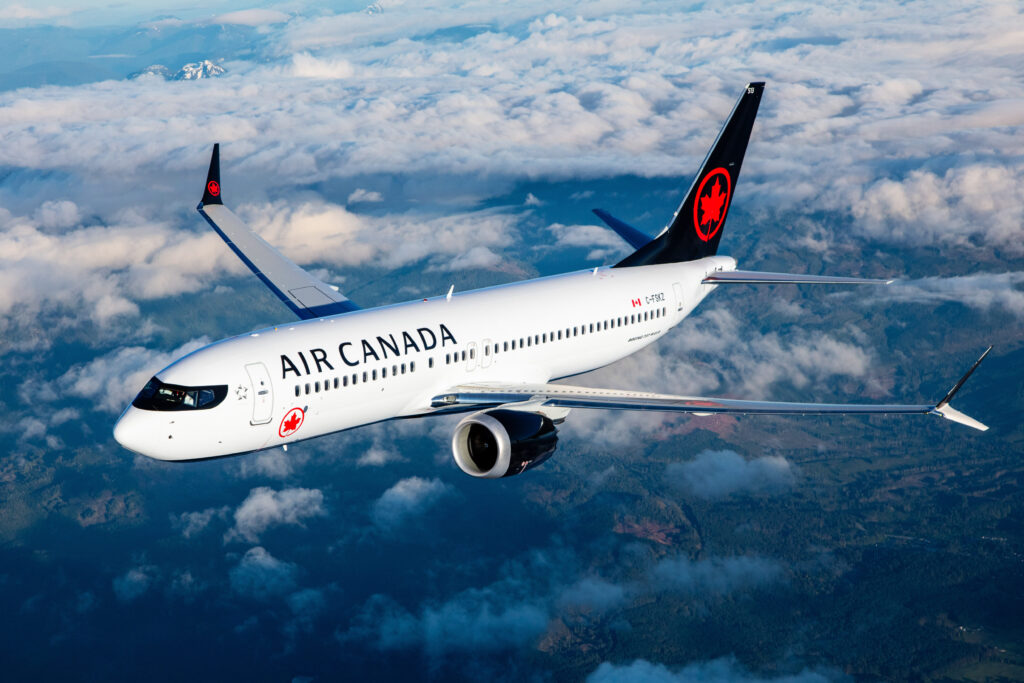
This move maximizes revenue potential on high-demand seasonal tracks while maintaining the lower operating costs inherent to the 737 MAX platform compared to the retiring fleet of older mid-sized widebodies.
Bridging the Gap: MAX 8 as the A321XLR Precursor
From an analytical standpoint, this surge in MAX 8 utilization indicates that Air Canada is bridge-funding its market share ahead of the Airbus A321XLR arrival. While the A321XLR offers superior range and a dedicated long-haul cabin product, the 737 MAX 8 remains a highly capable asset for routes like Montreal to Reykjavik or Toronto to Dublin. The airline is essentially pre-empting competition by saturating these thinner markets with increased frequency, making it harder for low-cost competitors to gain a foothold on the same corridors.
Contextually, this expansion contrasts with the strategies of other legacy carriers who are waiting exclusively for the A321XLR to start narrowbody transatlantic service. Air Canada is choosing to sweat its existing assets and capitalize on the 737’s efficiency now.
The operational implication is clear: the carrier is prioritizing flexibility. If a route shows exceptional growth, it can be upgauged to a widebody later; if it remains a niche corridor, the MAX 8 provides a sustainable, high-margin solution for the interim period.
Technical Reliability and ETOPS Performance
The technical reliability of the LEAP-1B engines has also played a role in this confidence. Extended-range Twin-engine Operational Performance Standards (ETOPS) allow these narrowbodies to fly more direct tracks across the Atlantic, reducing fuel burn and flight time.
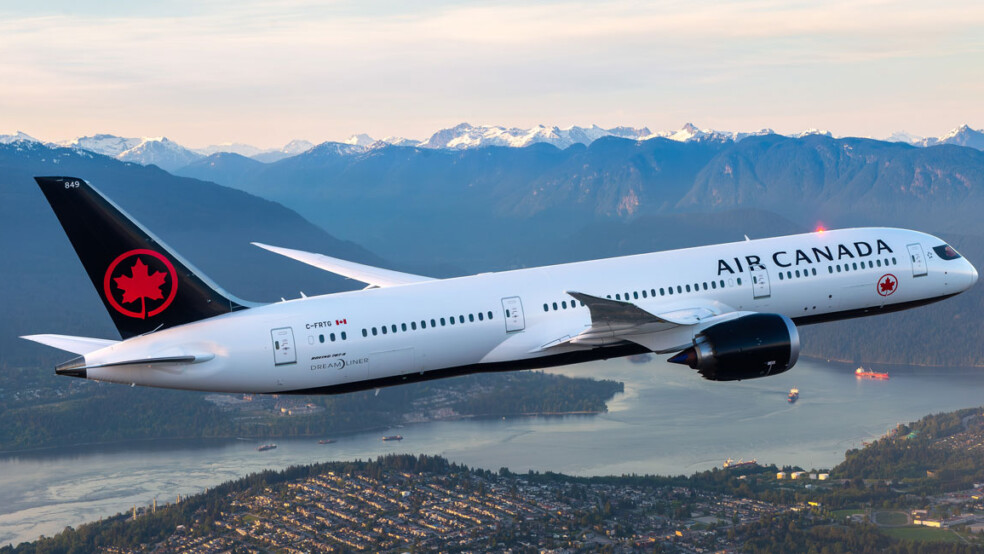
As Air Canada refines its 2026 schedule, the reliance on the 737 MAX 8 suggests a long-term commitment to the ‘thin-and-long’ route philosophy which has proven resilient in the post-pandemic recovery phase.
Impact on Secondary European Markets
Secondary destinations in Europe, such as Edinburgh, Shannon, and Lyon, benefit directly from this narrowbody focus. These cities often cannot support a daily Boeing 787 or 777 service year-round, but they are ideal for a 160-to-180-seat narrowbody.
The 34.2% capacity increase ensures that Air Canada can capture the peak summer leisure demand while keeping its cost base significantly lower than if it deployed widebody aircraft with empty seats.
Future Fleet Synergy: 737 MAX and A321XLR
Looking forward to the latter half of 2026, the arrival of the Airbus A321XLR will eventually complement this MAX 8 fleet. The XLR will likely take over the longer or more premium-heavy routes, such as Vancouver to Europe or Toronto to deeper Mediterranean points.
This will leave the 737 MAX 8 to handle the shorter hops from the East Coast, creating a multi-tiered narrowbody strategy that maximizes both range and seat-mile efficiency across the entire North Atlantic network.
Hub-and-Spoke Synergy and Economic Viability
The economic viability of these routes is further bolstered by the airline’s ability to flow traffic from its vast domestic and U.S. transborder network through its Canadian hubs.
Passengers from mid-sized U.S. cities can connect in Montreal or Toronto onto a MAX 8 bound for Europe, bypassing the congestion of major U.S. East Coast hubs. This transit model is central to Air Canada’s growth, and the 737 MAX 8 is the tool currently enabling its expansion.
Operational dispatchers and fleet planners are monitoring the performance of these densified MAX 8 cabins closely. The increased seat count puts pressure on turnaround times and cabin crew workloads, but the financial returns on these ‘thinner’ routes justify the operational complexity. As fuel prices and environmental regulations continue to evolve, the efficiency of the MAX 8 remains a cornerstone of the carrier’s transatlantic profitability and environmental sustainability targets.
For additional operational briefings and the latest Airline News, monitor our dedicated aviation intelligence category.
 Aastha Choudhary