

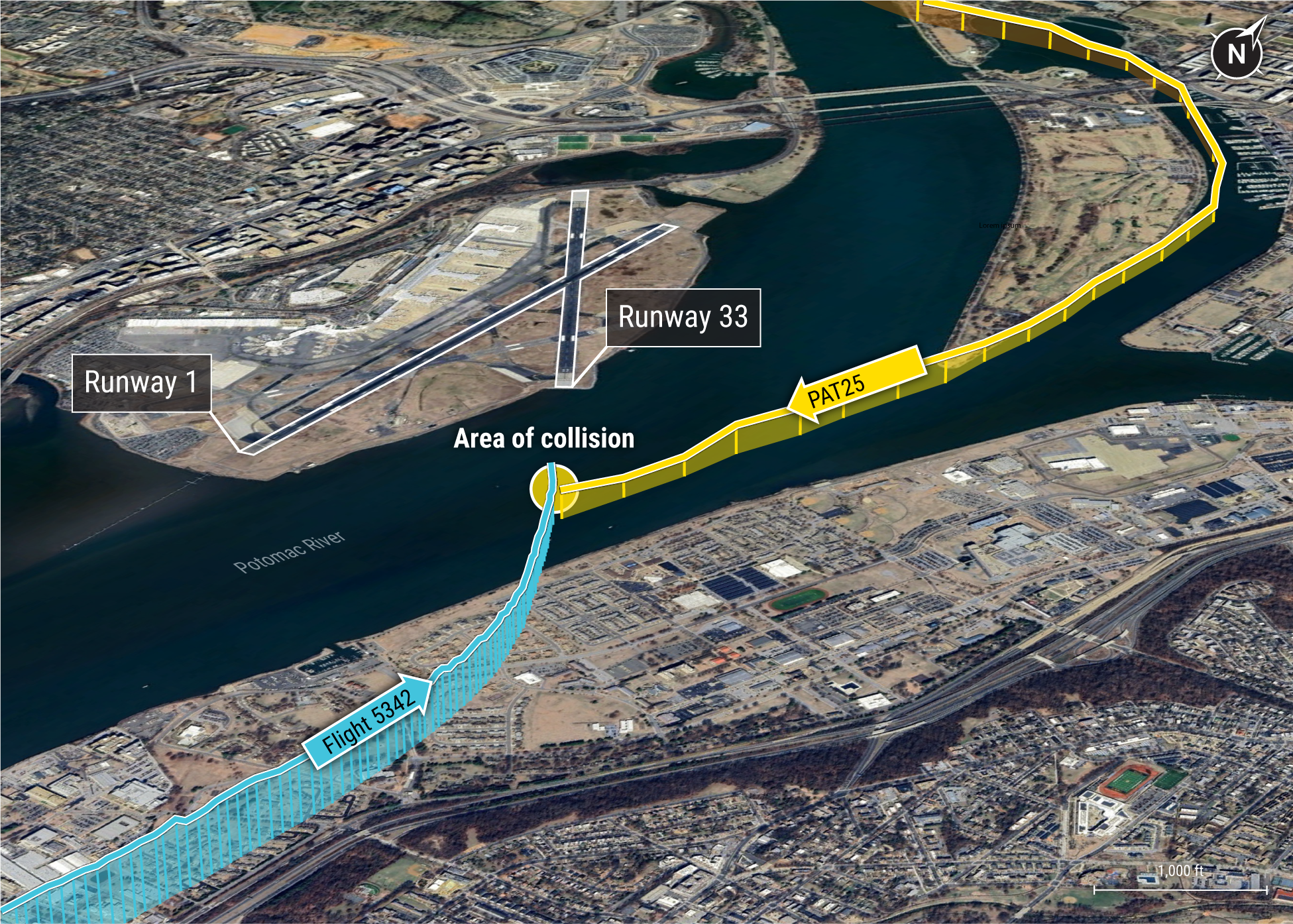
WASHINGTON, Families of victims killed in the Washington Reagan National Airport midair collision sued American Airlines today following damning NTSB testimony.
Attorneys filed the master complaint in the District Court for the District of Columbia this morning. The filing targets American Airlines, regional subsidiary PSA Airlines, the U.S. Army, and the Federal Aviation Administration (FAA). Plaintiffs allege gross negligence caused the January 2025 crash that claimed 67 lives. The legal move comes just days after the National Transportation Safety Board (NTSB) released its final report.
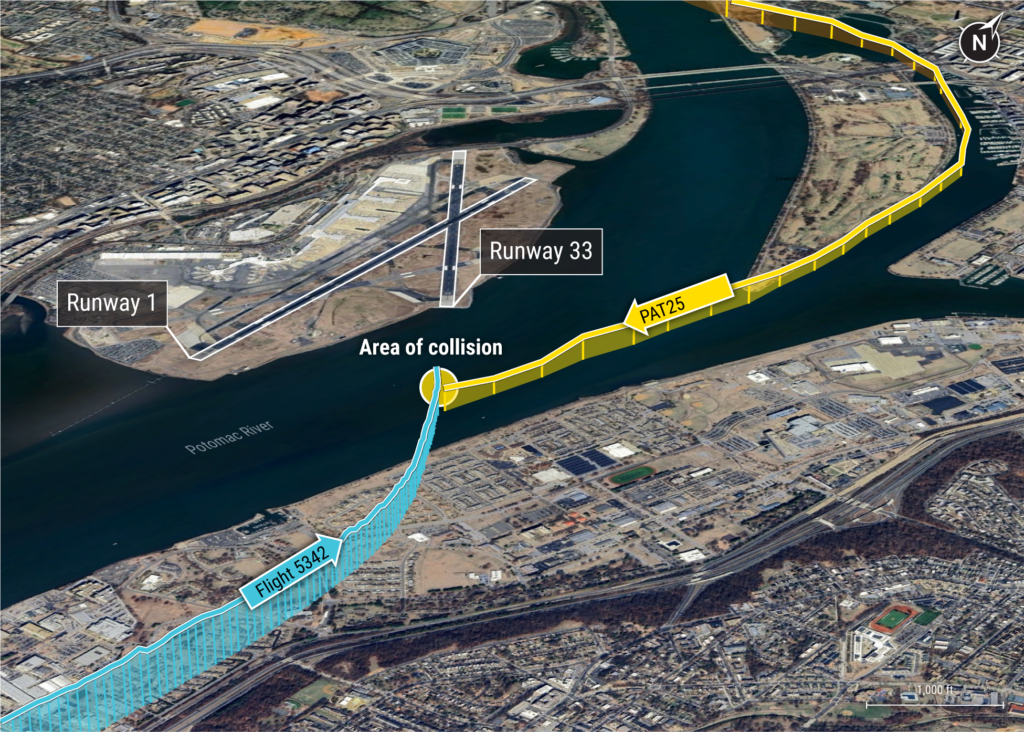
NTSB Chair Jennifer Homendy testified before Congress that the disaster was “100% preventable” had safety protocols been followed. Families argue this admission proves the defendants ignored decades of warnings regarding congested airspace. The lead plaintiff is the family of 16-year-old figure skater Cory Haynos. Haynos was returning from a national development camp when American Eagle Flight 5342 went down.
“This was not an accident but a predicted result of systemic failure,” said lead attorney Bob Clifford. The lawsuit seeks unspecified damages for wrongful death and survival claims. It accuses the airline of prioritizing schedule efficiency over passenger safety in known high-risk zones.
NTSB: A LEGACY OF IGNORED WARNINGS
The NTSB’s final report paints a disturbing picture of regulatory inertia. Investigators found that safety recommendations issued as far back as 2018 were repeatedly dismissed. The board highlighted a critical lack of situational awareness tools in the cockpit. Neither the Bombardier CRJ-700 jet nor the Army Black Hawk helicopter possessed ADS-B In technology.
This specific system would have provided visual and audible alerts of nearby traffic. Homendy stated that ADS-B In could have given pilots nearly a minute of warning. Instead, the regional jet crew had less than 20 seconds to react. The Army crew reportedly received no collision warning at all.
“Technology existed to save these lives, but it was not mandated,” Homendy told the Senate panel. The FAA required ADS-B Out transmission in 2020 but left the receiving capability optional. The NTSB called this regulatory gap a fatal oversight for mixed-use airspace.
AIR TRAFFIC CONTROL UNDER SCRUTINY
The investigation also exposed severe deficiencies within the Potomac TRACON air traffic control facility. Staffing levels were critically low on the night of the crash. A single controller was managing a workload meant for three people. This individual was responsible for separating dozens of commercial and military aircraft simultaneously.
Simulations showed the controller missed a conflict alert just moments before impact. The lawsuit alleges the FAA knowingly operated the facility with fatigued and overworked staff. NTSB data revealed the controller had worked six-day weeks for months prior.
“They set these controllers up for failure,” said NTSB investigator Brice Banning during the hearing. The agency noted that the specific helicopter route intersected the commercial approach path. This intersection created a permanent hazard that required perfect human performance to avoid disaster.
THE ‘BETRAYAL’ OF PASSENGERS
Family members expressed outrage at the revelation of 30 documented near-misses in the same sector. The lawsuit claims American Airlines was aware of these previous incidents yet took no action. Plaintiffs argue the carrier should have demanded route changes or suspended flights.
“Casey was betrayed by the system he trusted,” said Rachel Crafton, widow of victim Casey Crafton. Her statement detailed her husband’s career as an aviation mechanic and his faith in safety protocols. She stood with other grieving families outside the courthouse as the filing was announced.
The complaint asserts that American Airlines had a duty to warn passengers of the heightened risk. It also questions the training provided to PSA Airlines pilots regarding military traffic. Evidence suggests the flight crew was unaware of the “River Visual” helicopter corridor.
DEFENDANTS RESPOND TO ALLEGATIONS
American Airlines issued a brief statement reiterating its commitment to safety. The carrier vowed to defend itself and its regional partner against the claims. “We are reviewing the NTSB findings and will respond in court,” the statement read.
The U.S. Army declined to comment on pending litigation. However, military officials previously admitted the Black Hawk pilots were flying higher than the published route altitude. The FAA stated it has already begun implementing new airspace restrictions.
These new rules strictly separate commercial arrivals from military training flights near the capital. Critics argue these changes came a year too late for the victims of Flight 5342. The NTSB emphasized that these measures should have been standard practice years ago.
INDUSTRY-WIDE REPERCUSSIONS
This lawsuit could force a massive overhaul of how mixed airspace is managed globally. Aviation experts predict the case will accelerate the mandate for ADS-B In equipage. Airlines may face higher insurance premiums and stricter liability standards for regional operations.
The crash has already halted the industry’s streak of fatality-free years in the United States. It forces a re-evaluation of the reliance on “see and avoid” procedures in modern aviation. The NTSB report called visual separation obsolete for high-speed jet operations.
Congress is now considering legislation to strip the FAA of certain oversight powers. Lawmakers expressed frustration with the agency’s slow adoption of NTSB safety recommendations. The “Safe Skies Act of 2026” was introduced in the House yesterday.
THE REGIONAL AIRLINE FACTOR
The lawsuit also highlights the relationship between major carriers and their regional partners. PSA Airlines operated the flight under the American Eagle brand. Plaintiffs argue American Airlines exercised control over PSA’s training and operations.
Legal experts say this strategy aims to pierce the corporate veil protecting major carriers. “Passengers buy a ticket on American, not PSA,” noted aviation analyst Oliver Brandt. “They expect American Airlines levels of safety and oversight.”
The distinction is crucial for determining liability and damages. Regional carriers often operate with different pilot contracts and experience levels. The NTSB noted the PSA captain had limited experience flying the specific approach into DCA.
A PREVENTABLE TRAGEDY
The NTSB’s “preventable” ruling serves as the cornerstone of the families’ legal strategy. It removes the defense of an “unforeseeable accident” or “act of God.” The focus now shifts to who knew about the risks and when.
Internal documents cited in the complaint suggest concerns were raised in safety meetings months prior. One memo reportedly described the Potomac approach as a “ticking time bomb.” The lawsuit demands the release of all internal communications regarding DCA operations.
The discovery phase of this trial promises to be lengthy and contentious. Families say they are prepared for a long fight to uncover the truth. They view this lawsuit as the only way to force lasting change.
LOOKING AHEAD
The crash of Flight 5342 has fundamentally shaken public confidence in domestic air travel. It exposed the fragility of the safety net protecting millions of daily passengers. The outcome of this litigation will set a precedent for future aviation safety standards.
For the families, the legal battle is just beginning. They seek accountability for the loss of fathers, mothers, and children. The figure skating community continues to mourn the loss of its rising stars.
“We cannot bring them back,” said Clifford. “But we can ensure no other family endures this pain.” The trial date has not yet been set.
 Vibhuuti Goyal