

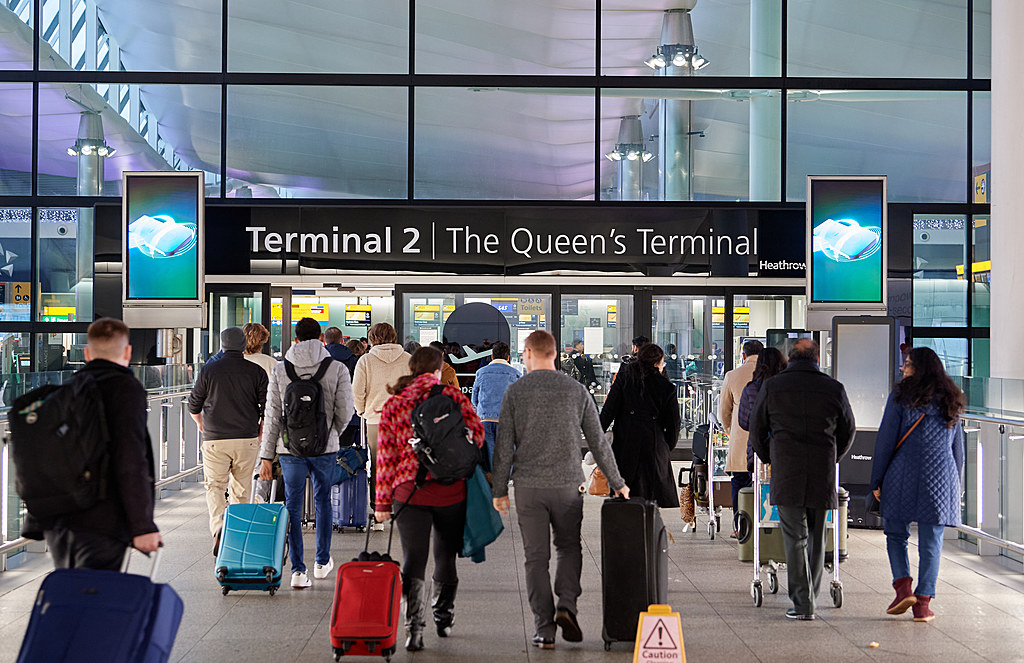
HEATHROW CLINGS TO CROWN BY 40,000 PASSENGERS AS ISTANBUL SURGE LOOMS
London, UK, Heathrow Airport narrowly defended its title as Europe’s busiest hub in 2025, edging out Istanbul Airport by a razor-thin margin of just 40,000 passengers. Official data reveals Heathrow handled 84.5 million travelers compared to Istanbul’s 84.4 million, a statistical tie that exposes a widening trajectory gap. Analysts now forecast Istanbul will definitively seize the top ranking in 2026 as British infrastructure limits cap further growth. This critical inflection point raises urgent questions about the UK’s long-term aviation strategy and funding efficiency.
THE NUMBERS GAME
The 2025 traffic statistics paint a stark picture of two hubs moving at different speeds. Heathrow managed a modest 0.7% year-on-year increase, effectively hitting the ceiling of its two-runway operational limit. Conversely, Istanbul Airport surged with a 5.5% growth rate, fueled by aggressive infrastructure scaling and strategic geographic positioning. The Turkish hub has added capacity for millions more travelers while Heathrow struggles to squeeze more flights into a saturated schedule. This 40,000-passenger gap is a rounding error that will vanish within weeks of 2026 operations.
CAPACITY PARALYSIS
Heathrow operates at 98% capacity, leaving zero room for error or organic expansion without new infrastructure. CEO Thomas Woldbye has publicly warned that the airport cannot drive further economic growth without immediate capital investment. However, the proposed third runway remains mired in a decades-long bureaucratic and legal swamp, with completion not expected until the mid-2030s. In stark contrast, Istanbul built its massive new facility in under five years using a public-private partnership model. The UK’s inability to deliver critical infrastructure is now actively ceding market dominance to foreign competitors.
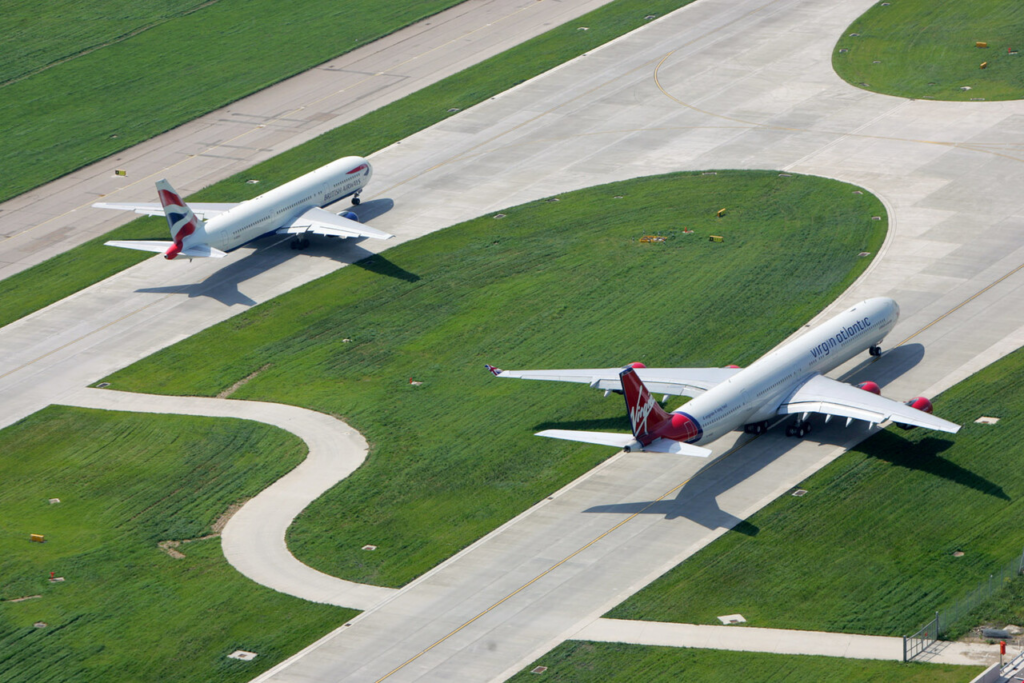
A vicious dispute over funding and operational costs has erupted between Heathrow management and its biggest airline customers. Major carriers like British Airways and Virgin Atlantic accuse the airport of “monopolistic” inefficiency and “gold-plating” projects. Specific allegations include exorbitant spending, such as a reported £76,000 bill to remove just three trees. Airlines argue that the regulatory framework encourages wasteful spending that is ultimately passed down to passengers through higher ticket fees. These internal battles are paralyzing the consensus needed to fund future expansion projects effectively.
REGULATORY STANDOFF
The Civil Aviation Authority (CAA) has intervened by cutting the cap on passenger charges for 2024-2026, a move Heathrow claims will starve it of investment funds. The airport argues that it cannot upgrade aging terminals or pursue the third runway with reduced revenue streams. Airlines counter that Heathrow is already the most expensive hub in the world and must cut fat before asking for more cash. This regulatory deadlock creates a toxic environment where strategic planning takes a backseat to short-term financial squabbling. Meanwhile, Istanbul operates with a streamlined, state-backed investment strategy that prioritizes speed and scale.
OPERATIONAL FRAGILITY
Recent years have exposed the fragility of Heathrow’s maxed-out infrastructure, with baggage system failures and power outages causing chaotic disruptions. Airlines point to these operational meltdowns as proof that current management fails to master basics while demanding billions for expansion. The “Heathrow Reimagined” campaign, led by frustrated carriers, demands a fundamental review of how the airport is regulated. They argue that throwing money at a broken model will not solve the capacity crisis or improve passenger experience. Every operational failure further erodes confidence in Heathrow’s ability to remain a premier global gateway.
The transfer of Europe’s aviation crown to Istanbul in 2026 appears mathematically inevitable. Istanbul plans to activate triple parallel runway operations in 2025, boosting hourly flight capacity well beyond Heathrow’s physical limits. For the UK, this loss of status is a direct consequence of chronic indecision and a fractured relationship between stakeholders. Unless the government, regulator, and airport management resolve their financial and strategic impasse, Heathrow will face a permanent decline. The era of London’s uncontested dominance in European skies is effectively over.
 Vibhuuti Goyal
[…] metro routes, air travel is now expanding into Tier-2 and Tier-3 cities, driven by policy reforms, infrastructure expansion, and rising demand. Regional aviation is emerging as a key pillar of inclusive economic […]