

SYNOPSIS
India’s aviation regulator has launched a sweeping crackdown on private charter operators following the fiery death of Maharashtra Deputy Chief Minister Ajit Pawar. The Directorate General of Civil Aviation (DGCA) ordered a forensic audit of 14 non-scheduled operators after a Learjet 45 crashed in Baramati. This directive targets systemic negligence in maintenance and pilot scheduling across the private aviation sector.
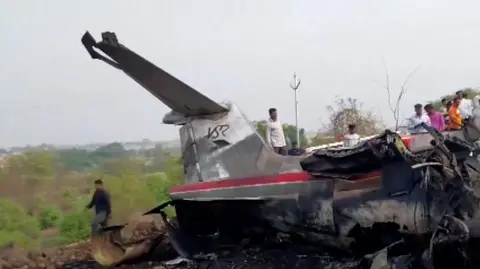
The DGCA initiated “Special Safety Audit Plan 2026, Phase 1” on February 4, intensifying scrutiny on India’s private charter fleet. This regulatory offensive follows the January 28 catastrophe at Baramati Airport, where a VSR Ventures aircraft (registration VT-SSK) incinerated on impact. The crash killed all five occupants, including Deputy CM Ajit Pawar, his staff, and two pilots.
Inspectors are now seizing flight logs and maintenance records from 14 major non-scheduled operators. The audit explicitly targets “ghost logging”, the practice of under-reporting flight hours to defer mandatory engine overhauls. Officials confirmed that VSR Ventures faces a separate, deeper probe by a six-member specialist team. They must submit preliminary findings by February 15.
The ill-fated jet attempted a second landing approach in poor visibility before banking sharply and striking the ground. Initial reports indicate the pilots aborted their first attempt due to visual obscurity. The aircraft reportedly lacked the advanced navigational aids required for low-visibility landings at smaller airstrips like Baramati.
OPERATIONAL NEGLIGENCE
VSR Ventures now stands at the center of a safety storm. This incident marks the operator’s second hull loss in under three years; another Learjet 45 (VT-DBL) veered off a Mumbai runway in September 2023. Aviation experts question why the DGCA permitted the firm to continue operations despite this red flag. The focus remains on “flight duty time limitations” (FDTL). Investigators suspect the pilots flew beyond legal limits, masking fatigue with falsified duty rosters.
The crash trajectory suggests a classic aerodynamic stall at low altitude. Sources within the Aircraft Accident Investigation Bureau (AAIB) point to a potential engine failure compounded by pilot error. However, the black box data will confirm if mechanical neglect played a role. Did the operator cut corners on spare parts? The audit aims to expose these financial-safety trade-offs.
POLITICAL FIRESTORM
The tragedy has triggered explosive allegations from the Pawar family. MLA Rohit Pawar publicly alleged sabotage, citing discrepancies in the Air Traffic Control (ATC) logs. He claimed the cockpit voice recorder might have been tampered with or disabled. These accusations force the AAIB to treat the wreckage as a potential crime scene, not just an accident site.
Questions also surround the visibility data. The pilots attempted to land with reported visibility of 3,000 meters, well below the 5,000-meter requirement for that specific approach. Who authorized the flight to depart Mumbai under such marginal conditions? The investigation will determine if political pressure to adhere to a schedule overrode standard safety protocols.
The private aviation sector faces a brutal correction. The DGCA will likely ground significant portions of the charter fleet that fail the new documentation standards. Operators can expect the suspension of licenses for any discrepancy in engine cycle logging. The era of lax oversight for “VIP flights” has ended abruptly.
For Maharashtra, the political vacuum is immediate. The loss of a sitting Deputy CM destabilizes the ruling coalition ahead of local elections. But the lasting legacy of this crash will be a draconian new safety regime. Every flight manifest, maintenance log, and pilot roster will now face forensic verification. The “chalta hai” attitude in Indian general aviation died on the runway at Baramati.
 Vibhuuti Goyal
  Priyanshu Gautam