

SYNOPSIS
Cuban aviation authorities have issued an unprecedented directive halting all airline refuelling operations across the island, effective immediately through March 11. The order, triggered by critical shortages of Jet A-1 fuel, forces international carriers to initiate “tankering” protocols or cancel routes entirely, with Air Canada already suspending service. This logistical collapse follows intensified U.S. sanctions targeting Havana’s energy supply chain, specifically pressuring third-party suppliers in Venezuela and Mexico.
HAVANA , The Cuban Aviation Corporation (CACSA) formalized the suspension of jet fuel sales at nine international airports Tuesday morning via a Notice to Air Missions (NOTAM). The directive, valid until mid-March, declares a total unavailability of aviation kerosene at major hubs including José Martí International (HAV) in Havana and Juan Gualberto Gómez (VRA) in Varadero.
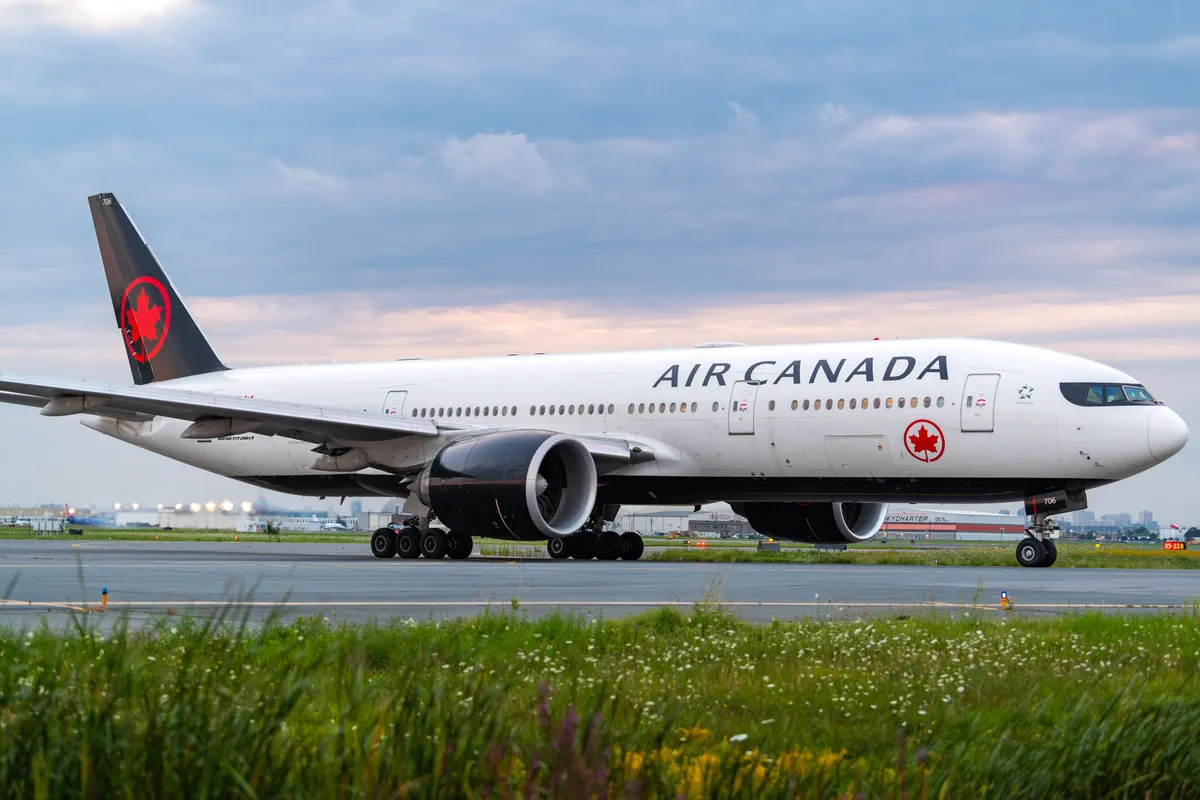
Immediate fallout paralyzed flight schedules. Air Canada, the largest carrier serving the island’s critical tourism sector, grounded all operations citing “unreliability of fuel supply.” Other North American and European carriers, including Air Transat and Iberia, enacted emergency contingencies. These airlines must now carry sufficient return fuel from their origin points, a practice known as “tankering”, or divert to Jamaica, the Dominican Republic, or the Bahamas for technical stops.
The Ministry of Energy and Mines, led by Vicente de la O Levy, attributed the deficit to a “severe disruption” in hydrocarbon imports. Officials confirmed that national reserves of aviation-grade kerosene breached critical lows Monday night. The shortage is not isolated to aviation; it coincides with a broader energy rationing protocol implemented Friday, which mandated a four-day workweek for state enterprises and reduced electrical generation capacity by 40%.
Financial forensics reveal this shortage is the mathematical inevitability of recent U.S. economic statecraft. In late January, the White House issued Executive Order 14099, threatening punitive tariffs on any entity facilitating petroleum transfers to Cuba. This effectively severed the island’s two remaining lifelines: Venezuelan crude, already dwindling due to production decay, and Mexican shipments, which ceased under threat of U.S. trade retaliation.
The mechanics of the crisis are financial, not just logistical. Cuba lacks the hard currency to purchase fuel on the spot market at premium rates. With tourism revenue collapsing below $1 billion annually, down from a pre-pandemic high of $3 billion, the state cannot outbid competitors for tanker shipments.
Aviation experts note that “tankering” imposes severe economic penalties on airlines. Carrying extra fuel increases aircraft weight, burning more fuel in the process and reducing cargo payload. For long-haul carriers like Iberia flying from Madrid, tankering for a return trip is physically impossible, necessitating costly stopovers in Santo Domingo. This erodes the profit margins of the few remaining airlines willing to service Havana, creating a disincentive loop that further isolates the economy.
The strategic implications suggest a deliberate decoupling of Cuba from the global aviation network. If the fuel ban extends beyond the March 11 sunset clause, the island risks losing 60% of its remaining airlift capacity. Canadian and European tour operators, operating on razor-thin margins, will likely permanently reallocate fleets to the Dominican Republic or Cancun rather than navigate Havana’s supply volatility.
Domestically, the energy deficit signals a shift toward a subsistence economy. The inability to secure Jet A-1 implies a parallel inability to secure diesel for power generation and agriculture. Unless a geopolitical pivot, likely involving Russian or Chinese emergency credit, occurs within the month, the suspension of refuelling rights may foreshadow a total closure of Cuban airspace to commercial traffic.
 Vibhuuti Goyal