

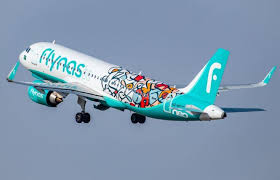
Saudi’s flynas to Launch ‘flynas Syria’ in Q4 2026: Inside the $2B Post-Sanctions Aviation ResetDAMASCUS, Saudi budget carrier flynas will launch a new joint venture airline in Syria later this year. The deal establishes “flynas Syria” as a low-cost operator based in Damascus. Syrian state authorities will hold a controlling 51 percent stake, while flynas retains 49 percent. Operations begin in the fourth quarter of 2026. This move marks the first major aviation investment since the lifting of U.S. sanctions.
Executives signed the pact in Damascus this week during a high-profile Saudi trade mission. The agreement formalizes the creation of flynas Syria, a new entity structured to rebuild the nation’s shattered air links. The Syrian General Authority of Civil Aviation (GACA) secures the majority interest. flynas provides the operational fleet, management expertise, and technical infrastructure.
Saudi Investment Minister Khalid Al-Falih attended the signing ceremony alongside Syrian President Ahmed Al-Sharaa. The deal anchors a wider economic package unveiled by Riyadh. flynas CEO Bander Almohanna confirmed the carrier aims to start flights by late 2026. He cited the fourth quarter as the target for the inaugural service. Regulatory teams are currently finalizing air operator certificates.
The airline will adopt the low-cost business model that propelled flynas to prominence in the Gulf. Initial fleet plans involve Airbus A320neo aircraft drawn from flynas’s existing order book. Routes will initially connect Damascus to major Saudi hubs like Riyadh, Jeddah, and Dammam. Planners also targeted future expansion into Europe and North Africa. This venture represents the first foreign-backed airline launch in Syria in over a decade.
Riyadh is moving aggressively to fill the vacuum left by the Assad regime’s 2024 collapse. The flynas deal is not an isolated business transaction. It functions as a geopolitical lever. The Kingdom seeks to stabilize Syria’s economy through direct integration. The new “Elaf Fund,” capitalized at $2 billion, underwrites this aviation project.
Saudi strategists designed the 51-49 split to ensure local buy-in while maintaining operational standards. The Syrian government keeps sovereignty over the license. flynas controls the service quality and safety protocols. This structure mitigates risk for the Saudi partner. It also bypasses the corruption hurdles that plagued previous state-run enterprises.
The lifting of U.S. sanctions in late 2025 cleared the legal path for this joint venture. Western regulators previously barred the supply of aircraft parts to Syrian entities. The new political order in Damascus allows Boeing and Airbus machinery to return. flynas Syria will utilize this opening to service a diaspora cut off for twelve years.
Economic data supports the business case. Travel demand among the Syrian expatriate community exceeds current capacity by 400 percent. State-owned Syrian Air remains crippled by aging airframes. flynas Syria enters a market with near-zero effective competition. The carrier plans to undercut existing indirect routes through Beirut and Amman.
THE OUTLOOK
The launch of flynas Syria signals the normalization of Syria’s skies. Regional competitors will likely respond. Qatar Airways and Emirates are reportedly evaluating renewed slots at Damascus International Airport. However, flynas has secured the first-mover advantage. The low-cost model positions it to capture the bulk of the visiting friends and relatives (VFR) market.
Success depends on security stability. Insurers demand high premiums for Syrian airspace. flynas must demonstrate rigorous safety standards to satisfy lessors. If successful, the airline will serve as a blueprint for future infrastructure projects. The Saudi fibre-optic deal with STC, signed concurrently, follows the same joint-venture model.
European regulators will watch the Q4 launch closely. Resuming direct flights to the EU remains the ultimate strategic goal. flynas Syria intends to apply for EASA third-country operator status by 2027. Approval would reopen the lucrative Damascus-Berlin and Damascus-Stockholm corridors. For now, the focus remains on reconnecting the Levant with the Gulf.
 Vibhuuti Goyal