

SYNOPSIS
United Airlines CEO Scott Kirby has confirmed the carrier will extend operations of its Boeing 767 fleet through 2030, reversing earlier retirement timelines. The decision stems from persistent delivery delays of Boeing 787 Dreamliners and Airbus A321XLRs, forcing the airline to sweat its aging widebody assets. Kirby’s strategy leverages paid-off capital costs and premium-heavy cabin configurations to offset the older jets’ higher fuel burn. This move signals a broader industry acceptance that supply chain fractures will constrain capacity for the remainder of the decade.
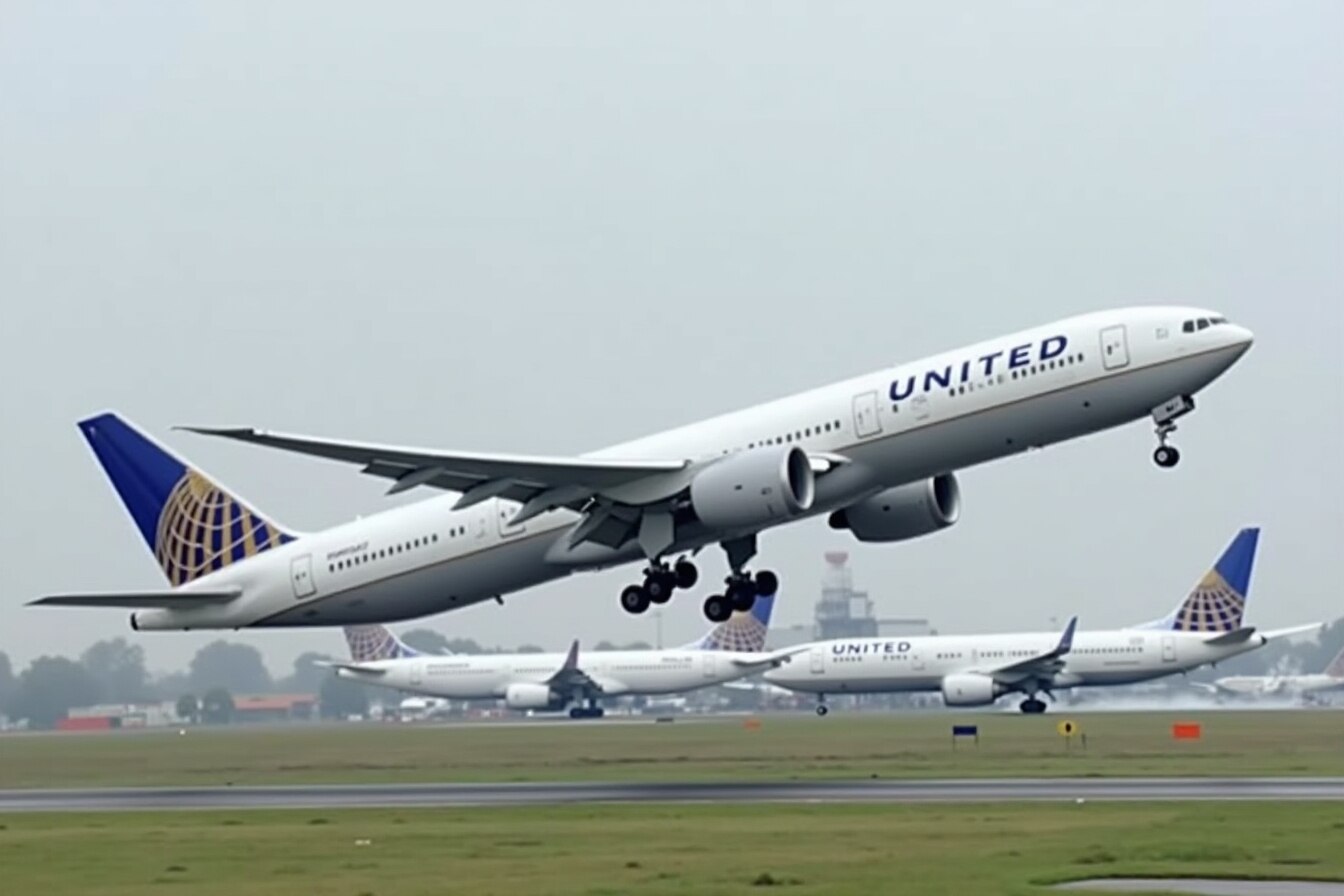
United Airlines will keep its Boeing 767 fleet airborne until at least 2030. CEO Scott Kirby delivered this forecast at the APEX Global Expo, effectively extending the lifespan of the widebody workhorse by several years beyond initial projections.
Kirby stated the carrier would be “well into retiring” the type by the end of the decade, a timeline that acknowledges the harsh realities of the aerospace supply chain. United currently operates 53 Boeing 767s, with the average airframe approaching 28 years of service.
The decision directly results from Boeing’s inability to deliver 787 Dreamliners on schedule. United faces a dual squeeze: delayed twin-aisle jets from Boeing and lagging A321XLR deliveries from Airbus. These shortages threaten the carrier’s ambitious “United Next” growth strategy.
To maintain capacity on lucrative transatlantic routes, United must retain its existing metal. The 767-300ER and -400ER fleets play a critical role in high-density markets like London Heathrow and Zurich. Retiring them now without direct replacements would surrender market share to competitors.
The economics of flying a 30-year-old jet rely on a specific financial calculus. A Boeing 767-300ER burns approximately 20% more fuel per seat than a modern 787 Dreamliner. At current jet fuel prices, this penalty costs United roughly $1,000 extra per flight hour.
However, capital costs tell a different story. United owns these aircraft outright. They carry zero depreciation expense. This lack of monthly ownership payments largely offsets the higher fuel bill, provided oil prices remain stable.
Revenue density further justifies the extension. United recently retrofitted its 767-300ERs with a “High-J” configuration. These cabins feature 46 Polaris business class seats, a massive premium footprint for a mid-sized widebody. This layout allows United to capture high-yield corporate traffic on key business corridors, maximizing revenue per departure even with an inefficient airframe.
Operational flexibility also drives this decision. The 767 shares a common pilot type rating with the Boeing 757. United’s pilots can fly both aircraft types interchangeably. This commonality provides a critical buffer against pilot staffing inefficiencies. Splitting the workforce to train exclusively on 787s would reduce scheduling agility during a period of tight labor supply.
Maintenance remains the primary risk. Aging airframes require frequent, expensive “heavy checks.” Sourcing spare parts for out-of-production avionics and structural components grows increasingly difficult. United’s technical operations team must now balance the reliability of these veteran jets against escalating upkeep costs.
THE OUTLOOK
Kirby’s pivot signals a “structural supply constraint” that will define aviation through 2030. Airlines can no longer rely on manufacturers to meet fleet renewal goals. Carriers must instead focus on life-extension programs and retrofit strategies to bridge the gap.
United will likely use this extension to reassess its long-term widebody order book. Kirby hinted at revisiting the Airbus A350 order, potentially firming up deliveries for the 2030 timeframe to finally replace the 767s.
Expect United to deploy these older jets strictly on high-yield, high-reliability routes. They will serve as a bridge solution, insulating the network from further OEM delays. The 767 has transitioned from a retirement candidate to a strategic asset, buying United the one commodity money cannot currently purchase: time.
 Olive Arthur
  Anshum Raj
[…] the DC-10 lineage, it offered a unique payload-range capability that bridged the gap between the 767 and the 747. However, the architecture that once made it revolutionary—the center tail-mounted […]