

SYNOPSIS
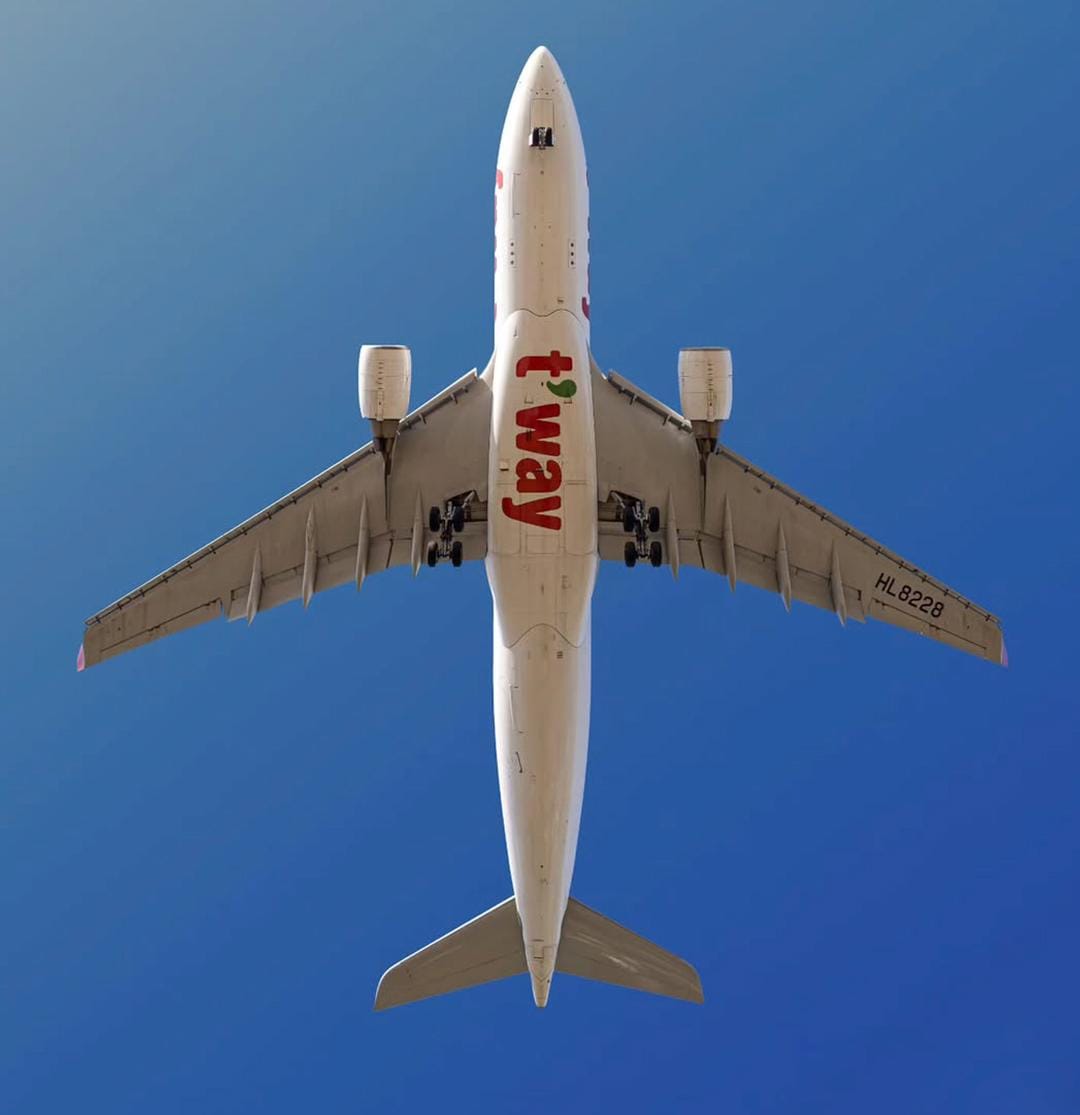
T’way Air, A South Korean low-cost carrier suffered a mechanical failure at Taipei Songshan Airport, resulting in a temporary operational standstill at the downtown hub. The Boeing 737-800 lost a tire during its landing roll, triggering an immediate emergency response and the suspension of all runway activities. This incident adds to a string of technical events involving narrow body aircraft currently under scrutiny by regional aviation authorities.
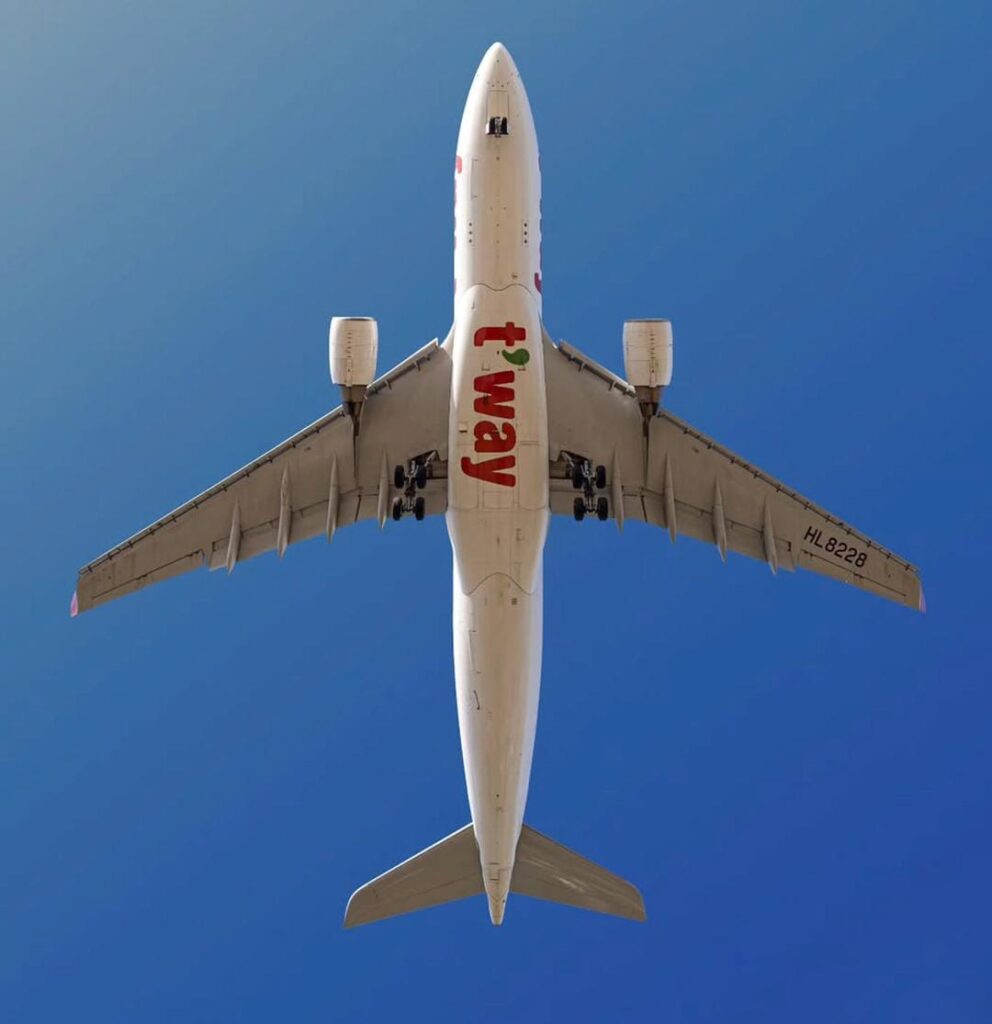
T’way Air Flight TW687, arriving from Seoul’s Gimpo International Airport, experienced a landing gear failure at approximately 15:22 PM local time. As the aircraft touched down on Runway 10 at Taipei Songshan, one of the main landing gear tires disintegrated and detached. The pilot managed to maintain directional control and brought the jet to a halt on a taxiway shortly after exiting the active strip. None of the 168 passengers or six crew members reported injuries during the evacuation process. Airport authorities closed the single runway for roughly one hour to clear debris and inspect the pavement for gouges. Several domestic and international flights were diverted to Taoyuan International Airport during the cleanup.
Technical inspectors are focusing on the integrity of the wheel hub assembly. Early data suggests the tire may have suffered a rapid decompression or a structural failure of the rim itself. Boeing 737-800 landing gear is designed to withstand vertical descent rates and significant lateral loads, yet the total loss of a tire assembly suggests a breakdown in maintenance protocols or a rare component fatigue. The aircraft, which weighs roughly 140,000 lbs during a typical landing, relies on its four main tires to distribute massive kinetic energy. According to people familiar with the matter, the tire pressure was within the standard 200 PSI range prior to departure from Seoul. Investigators are reviewing the maintenance logs to determine the age of the rubber and the number of landing cycles since the last overhaul.
THE OUTLOOK
The incident puts fresh pressure on T’way Air as it seeks to expand its footprint in the competitive North Asian market. The move signals a tightening of oversight for low cost operators in the region. Aviation regulators in Seoul and Taipei are expected to coordinate on a safety audit of the carrier fleet maintenance. The data suggests a diverging path between airlines that prioritize aggressive cost cutting and those maintaining rigorous technical standards. While the runway reopened quickly, the financial impact of diverted flights and the required repair work will be substantial. This event serves as a reminder of the narrow margins for error in high frequency short haul operations.
 Vibhuuti Goyal
  Anshum Raj