

SYNOPSIS
Southwest Airlines has officially terminated its long-standing open-seating policy to eliminate a loophole that incentivized passengers to misreport mobility needs for priority boarding. For years, the carrier’s unique system allowed any individual requesting wheelchair assistance to board first and claim the most desirable seats and overhead bin space. This change follows a sustained period of complaints from both passengers and crew members regarding the widespread exploitation of disability services by able-bodied travellers.
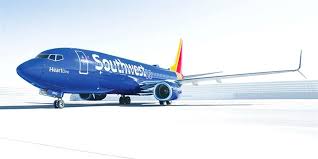
Southwest Airlines ended its historical open-seating boarding process this week, a move that effectively closes a structural loophole many passengers used to gain an unfair advantage. The Dallas-based carrier confirmed the transition to assigned seating as the primary method for cabin organization, directly addressing the phenomenon of wheelchair service exploitation. Under the previous operational model, travelers who requested wheelchair assistance were granted pre-boarding status, which allowed them to select front-row seats and secure overhead storage before the general population. This policy change represents a fundamental shift in the airline’s approach to cabin management and accessibility services, aimed at restoring order and fairness to the boarding experience. The decision follows years of internal review and a surge in formal grievances from frequent flyers who observed able-bodied passengers utilizing wheelchair services to bypass boarding queues.
THE MECHANICS OF SYSTEM EXPLOITATION
The incentive for misrepresenting physical needs was rooted in the competitive nature of Southwest’s boarding process. Because the airline did not assign seats, the value of being among the first to board was significant. Passengers who secured early positions could guarantee themselves extra legroom in the bulkhead rows or ensure their carry-on luggage remained in the bins directly above their seats. This created a environment where the demand for wheelchair assistance often exceeded the actual medical needs of the passenger base. Internal reports from gate agents indicated that on high-traffic leisure routes, the number of wheelchair requests could reach double digits per flight, often exceeding the airline’s immediate equipment capacity. The exploitation of this service became a point of contention for customers who paid for premium boarding positions only to find the most valuable sections of the aircraft occupied by those who bypassed the standard line via the assistance loophole.
THE MIRACLE FLIGHT PHENOMENON
Flight crews and frequent travellers have long utilized the term miracle flights to describe a specific recurring situation on Southwest aircraft. This phrase refers to instances where a large number of passengers require wheelchair assistance to board the aircraft but appear to have regained full mobility by the time the plane lands. Observations by cabin staff frequently documented passengers who were wheeled to their seats at the departure gate but walked off the aircraft unaided and at a brisk pace upon arrival. This discrepancy highlighted the lack of enforcement mechanisms available to the airline. Because the primary reward for utilizing the assistance was the ability to choose a prime seat, the incentive to maintain the facade of a disability disappeared once the flight was in the air or the aircraft had landed. The transition to assigned seating removes this incentive entirely, as a passenger’s seat location is now determined at the time of booking or check-in, regardless of their boarding sequence.
The primary reason Southwest struggled to curb this behaviour for years was the strict legal framework governing passenger rights. The Air Carrier Access Act (ACAA) mandates that airlines provide assistance to any passenger who identifies as having a disability. Crucially, the law prohibits carriers from requiring medical documentation or asking invasive questions regarding the nature of a passenger’s condition. This meant that gate agents were legally required to honour every request for a wheelchair, even if the request appeared suspicious or the passenger showed no visible signs of mobility impairment. By attempting to police these requests, the airline would have exposed itself to significant civil rights litigation and federal fines. The shift to assigned seating allows the airline to comply with federal law while removing the competitive advantage that made the service attractive to those looking to skip the line.
IMPACT ON CABIN CREW AND OPERATIONAL EFFICIENCY
The exploitation of the pre-boarding process had a direct impact on the airline’s operational efficiency and the working conditions of its flight attendants. Coordinating a high volume of wheelchair users requires significant time and ground resources, often leading to delays in the overall boarding timeline. Furthermore, the presence of many pre-boarders in the front of the aircraft created congestion during the deplaning process. Flight attendants reported that the tension between passengers who followed the traditional boarding rules and those perceived to be gaming the system frequently led to verbal altercations in the cabin. By moving to an assigned-seating model, Southwest expects to streamline the boarding process and reduce the logistical burden on ground crews. The airline aims to improve its on-time performance metrics by creating a more predictable and less contentious cabin environment.
Beyond addressing the issue of wheelchair abuse, the move to assigned seating represents a major strategic shift in Southwest’s business model. For the first time in its history, the airline will be able to monetize specific areas of the cabin. By assigning seats, the carrier can charge premium prices for rows with extra legroom or positions near the front of the aircraft. This brings Southwest in line with the revenue strategies of its major competitors, such as Delta and United. Industry analysts suggest that this change was prompted by pressure from activist investors who argued that the open-seating model was an outdated relic that left significant revenue on the table. The airline is betting that the combination of increased revenue from seat assignments and the reduction in passenger friction will outweigh the loss of its unique boarding identity.
Southwest has historically marketed its open-seating policy as a symbol of egalitarianism and simplicity. However, the rise of boarding-related conflicts suggests that the modern traveler values certainty over the freedom to choose a seat upon arrival. The airline’s leadership acknowledged that the boarding process had become a primary source of customer dissatisfaction. Feedback indicated that the stress of the boarding line, combined with the frustration of watching the pre-boarding loophole in action, was driving away high-value customers. The transition to assigned seating is an admission that the old model was no longer sustainable in a market where cabin space is a highly contested commodity. As the airline implements these changes, it will focus on maintaining its reputation for customer service while providing a more structured and transparent boarding experience for all travelers.
Early data suggests that a majority of Southwest’s customer base supports the transition to assigned seating. Frequent flyers have expressed relief that the ambiguity of the boarding process will be replaced by a more standard industry practice. While a small segment of loyalists may miss the flexibility of the previous system, the removal of the incentive for wheelchair abuse is viewed as a necessary step for the airline’s maturation. The change is expected to level the playing field for all passengers, ensuring that those who pay for premium access or check in early are not disadvantaged by those who manipulate accessibility policies for personal gain. The success of this transition will be measured by the airline’s ability to maintain its efficiency while managing the diverse needs of its traveling public under a new set of rules.
 Vibhuuti Goyal
  Anshum Raj