

A disruptive passenger triggered a full-scale security response at one of the world’s busiest airports — here’s everything that unfolded.
A Sunday afternoon at Hartsfield-Jackson Atlanta International Airport turned tense when a traveler aboard an incoming Frontier Airlines flight verbally claimed to have a bomb on board, sending law enforcement agencies scrambling and forcing the immediate evacuation of all passengers. The incident, which took place on March 29, 2026, is now under active federal investigation.
The Incident: What Happened Onboard
Frontier Airlines Flight 2539, an Airbus A320 operating the Columbus, Ohio-to-Atlanta route, had completed its landing and was making its way toward the assigned terminal gate when the situation erupted. A passenger on board suddenly made a verbal declaration claiming the presence of an explosive device on the aircraft. The alarming statement sent the flight crew into immediate action.

According to air traffic control recordings that have since circulated online, the aircraft’s captain contacted the tower and reported a possible bomb threat onboard. In those same communications, the pilot also revealed that the individual in question had threatened a fellow passenger seated beside him, escalating the severity of the situation considerably. The combination of a bomb claim and a direct personal threat to another traveler prompted a Level 4 aviation security response — the highest tier designated for in-flight security incidents, which includes any attempted or threatened breach of aircraft safety.
Emergency Protocols Activated
Following standard aviation safety procedures, the aircraft was immediately pulled away from the main terminal area and redirected to an isolated section of the airfield, far from regular aircraft traffic and passenger facilities. Emergency vehicles and law enforcement units converged on the remote location rapidly.
All passengers were disembarked from the aircraft via mobile staircases directly onto the tarmac, rather than through a standard terminal jetway. They were subsequently transported to the main terminal building by bus, under the supervision of law enforcement personnel. Thankfully, no injuries were reported among any of the passengers or crew throughout the entire ordeal.
The aircraft remained in the isolated area for close to two hours before a SWAT team arrived on the scene, entered the aircraft, and removed the individual believed to be responsible for the threat. Airport authorities confirmed that normal operations at Hartsfield-Jackson continued without widespread disruption — a notable achievement given that the airport consistently ranks among the highest-traffic aviation hubs on the planet.
Law Enforcement Response: FBI Takes the Lead
Atlanta Police Department officers were first on scene and began assessing the situation. Investigators quickly concluded this was not a hijacking in the conventional sense, but rather the actions of an unruly and threatening passenger. The Atlanta Police Department characterized the incident as a disruptive passenger case.
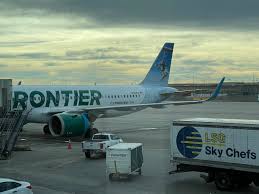
However, given the seriousness of a bomb threat on a commercial aircraft — a matter of federal jurisdiction — the Federal Bureau of Investigation’s Atlanta Field Office assumed primary oversight of the investigation. The FBI issued a statement confirming that following a thorough review, the threat was determined to be non-credible. No explosive device of any kind was found on the aircraft.
While the immediate danger was declared resolved, both the FBI and Atlanta Police confirmed the case remains open and under ongoing investigation. Authorities have not publicly released the identity of the passenger involved, and as of the latest update, it remained unclear whether a formal arrest had been made or charges filed.
Potential Legal Consequences
Making a bomb threat on a commercial aircraft is treated with extreme seriousness under United States federal law. Individuals found guilty of issuing false threats against aircraft, interfering with flight crew, or attempting to intimidate fellow passengers face federal prosecution under multiple statutes. Depending on the specific charges pursued by the U.S. Attorney’s Office, the alleged perpetrator could be looking at a maximum prison sentence of up to 20 years. The FBI is expected to coordinate with federal prosecutors as the investigation progresses.
Broader Context: Aviation Security Under the Spotlight
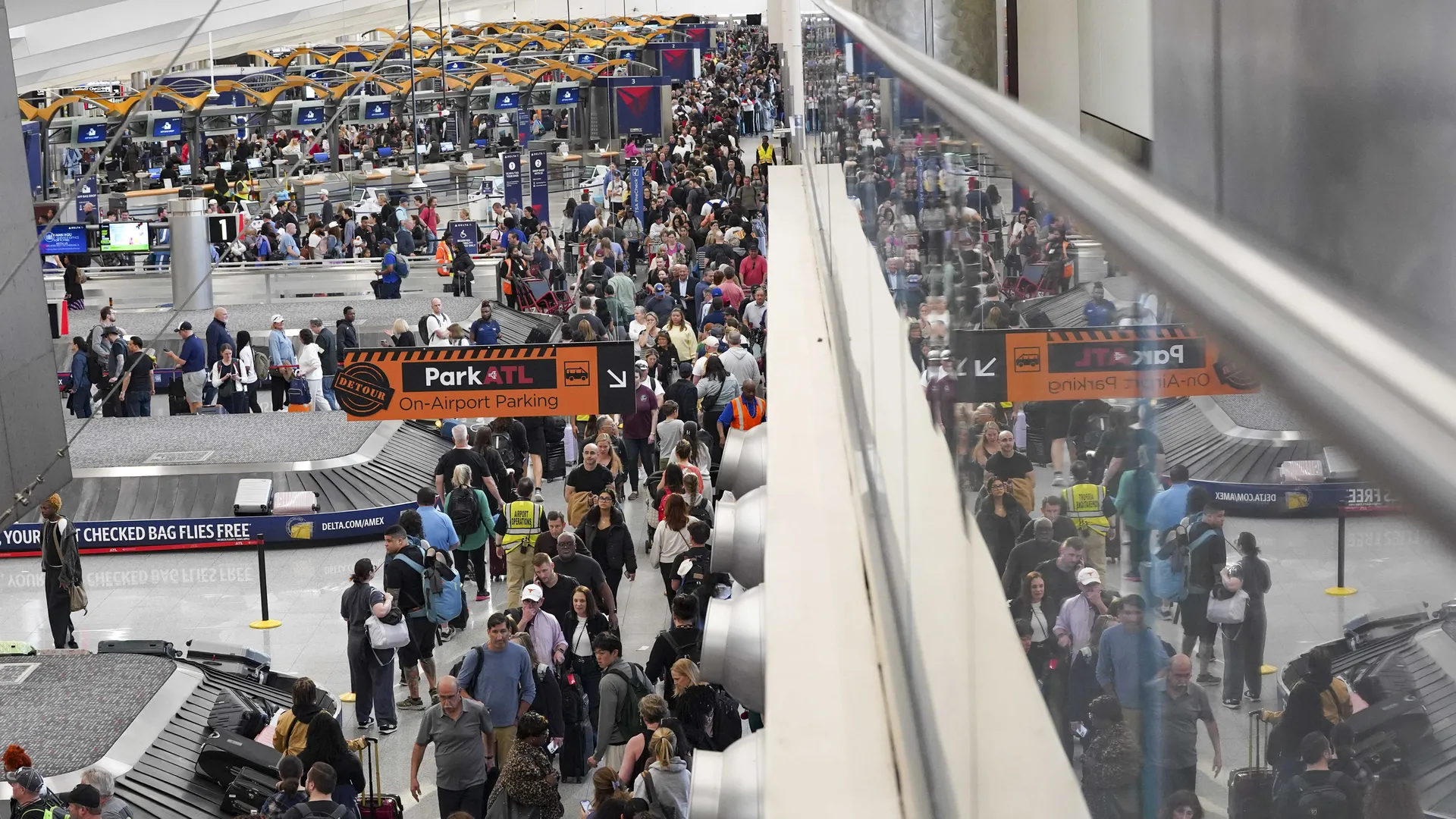
This incident arrives during a particularly sensitive period for air travel security across the United States. In recent weeks, airports nationwide have been grappling with significant staffing shortages within the Transportation Security Administration, with thousands of TSA officers calling out of work, leading to hours-long queues at major hubs including Atlanta, Baltimore, Houston, and New York. At some airports, individual call-out rates reportedly reached as high as 30 percent on a single day.
Security analysts have also noted a broader uptick in reported bomb threats targeting aircraft in the weeks following the initiation of U.S. military operations in Iran, raising concerns about copycat behavior and the psychological impact of geopolitical tensions on aviation security incidents.
Also on the same day as the Frontier incident, an American Airlines flight traveling from New York’s JFK Airport to Chicago O’Hare was diverted to Detroit Metropolitan Airport after a separate passenger disturbance occurred on board, further underscoring the challenging environment currently facing airline crews and security personnel across the country.
Frontier Airlines and Airport Response
A representative for Frontier Airlines confirmed the basic facts surrounding the passenger’s behavior and the subsequent crew response. The airline cooperated fully with law enforcement throughout the incident. Airport officials at Hartsfield-Jackson emphasized that all established security protocols were executed properly and that the swift, coordinated response among the airline crew, airport authority, Atlanta Police, and the FBI demonstrated the strength of existing aviation security frameworks.
Officials also reassured the traveling public that there is no ongoing or continuing threat connected to this event.
Conclusion
What began as a routine landing on a quiet Sunday afternoon quickly transformed into a high-alert security operation that drew federal investigators, a SWAT team, and widespread public attention. While the threat ultimately proved to be baseless, the incident is a stark reminder of how seriously aviation authorities treat any in-flight security claim — and the serious legal price individuals may pay for making such threats, regardless of intent.
The investigation continues.
For additional operational briefings and the latest Airline News, monitor our dedicated aviation intelligence category.
 Aastha Choudhary