

Analyzing the Operational Trade-offs Between Passenger Seclusion and Fleet-wide Maintenance Sustainability
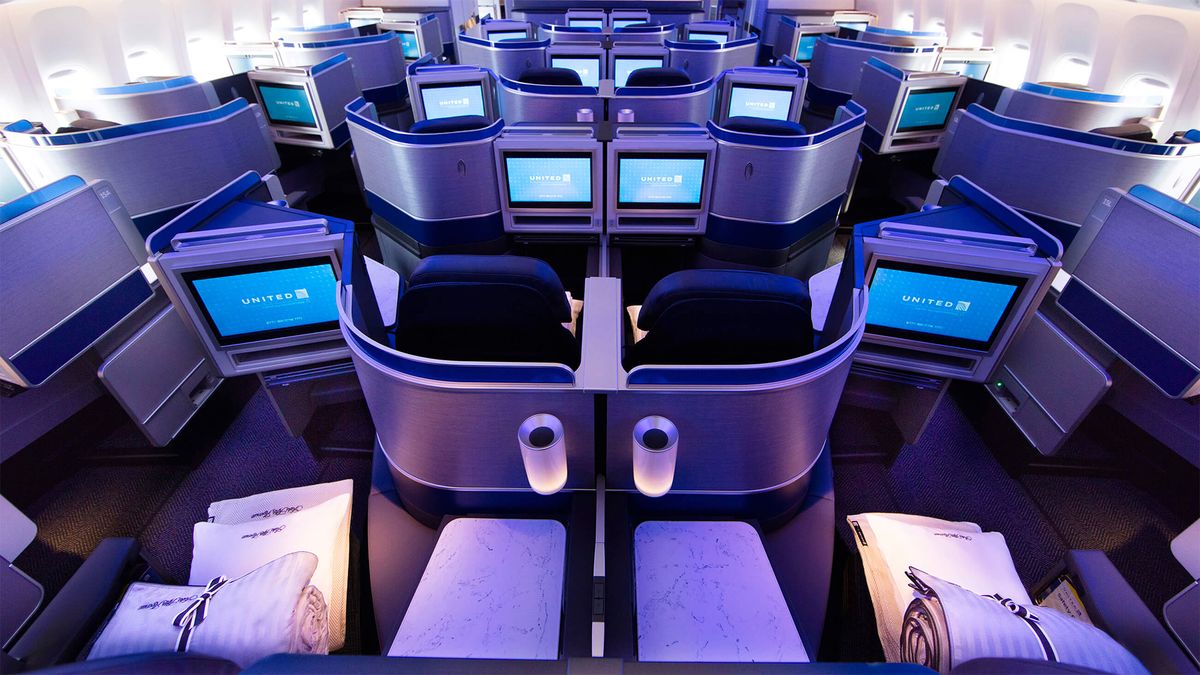
United Airlines is preparing to introduce a refreshed version of its signature Polaris business class suite, yet technical specifications indicate a departure from the industry trend of full-height privacy doors. This strategic decision aligns with broader fleet management goals focused on weight reduction and cabin maintenance reliability. By opting for a ‘door-lite’ or ‘open-suite’ configuration on its upcoming widebody deliveries, the carrier is prioritizing operational throughput over the cosmetic allure of total enclosure.
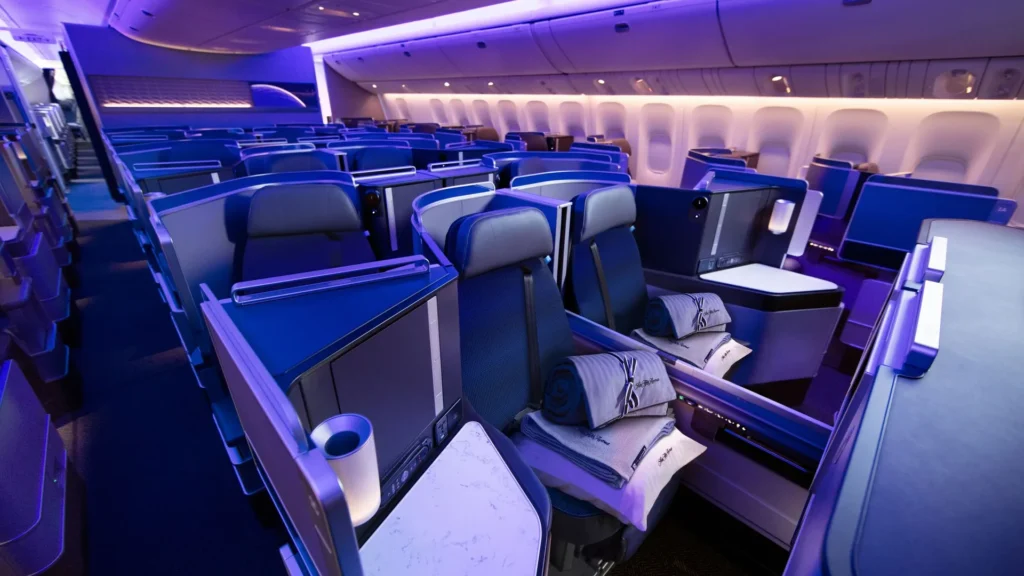
United’s current Polaris product, built on the Safran Optima platform, has served as the backbone of its long-haul premium experience since 2016. While the ‘Privacy Arms Race’ has seen competitors like Delta Air Lines and British Airways install heavy sliding door mechanisms, United’s engineering teams are evaluating the long-term lifecycle costs of such hardware. The move reflects a nuanced understanding of premium cabin economics where every kilogram of added weight directly impacts fuel burn on ultra-long-haul routes.
The Economics of the Sliding Door
Integrating a sliding door into a business class seat adds between 5 and 11 kilograms per passenger unit. For a Boeing 787-10 featuring 44 Polaris seats, this translates to an additional 484 kilograms of dead weight. Over a 15-year airframe life, the fuel expense required to carry this non-revenue-generating mass is significant. United’s network strategy, which includes some of the world’s longest flights such as San Francisco to Singapore, requires extreme attention to the Empty Operating Weight (EOW) of the aircraft.
Beyond fuel burn, mechanical doors represent a primary point of failure in modern cabin interiors. In the context of recent Airline News, industry observers have noted that sliding door latches and tracks are prone to misalignment during heavy turbulence or through repetitive passenger use. A door that is ‘stuck’ or non-functional can lead to a seat being taken out of service (Inoperative Seat), resulting in lost revenue or expensive passenger compensation.
Engineering Weight and Maintenance Cycles
United’s decision to maintain a partial privacy divider rather than a full door simplifies the Technical Standard Order (TSO) certification process. Seats with full doors face rigorous FAA requirements regarding emergency egress and visibility for cabin crew. By avoiding the full door, United ensures that flight attendants can maintain a line of sight for safety checks without the need for complex electromagnetic overrides or manual latch checks during taxi, takeoff, and landing.
From a maintenance perspective, the absence of a door reduces the complexity of the 12-month and 24-month cabin inspections. Heavy C-Checks on widebody aircraft often reveal that sliding components require the most frequent replacement of small parts. United’s technical operations team is likely focusing on ‘mean time between failures’ (MTBF) for cabin components to ensure that the fleet maintains high dispatch reliability.
Market Positioning and the Global Competitive Set
While some passengers view the lack of a door as a downgrade, United’s data suggests that seat width and bedding quality remain the primary drivers of Net Promoter Scores (NPS). The Polaris product is designed around the ‘sleep cycle,’ emphasizing the Saks Fifth Avenue bedding and the ergonomic layout of the seat. The existing Optima design already provides significant staggered privacy, shielding the passenger’s head and torso from the aisle without the need for a physical barrier.
Comparing United’s strategy to its ‘Big Three’ peers reveals a divergence in philosophy. Delta’s ‘Delta One’ suite on the A350 utilized the Thompson Vantage XL+ with a door to create a distinct marketing advantage. American Airlines is also moving toward doors with its ‘Flagship Suite’ product. United, however, is betting that consistent fleet-wide availability of a ‘good’ seat is more valuable than a ‘great’ seat that is only available on a small sub-fleet or frequently faces maintenance issues.
Fleet Harmonization Challenges
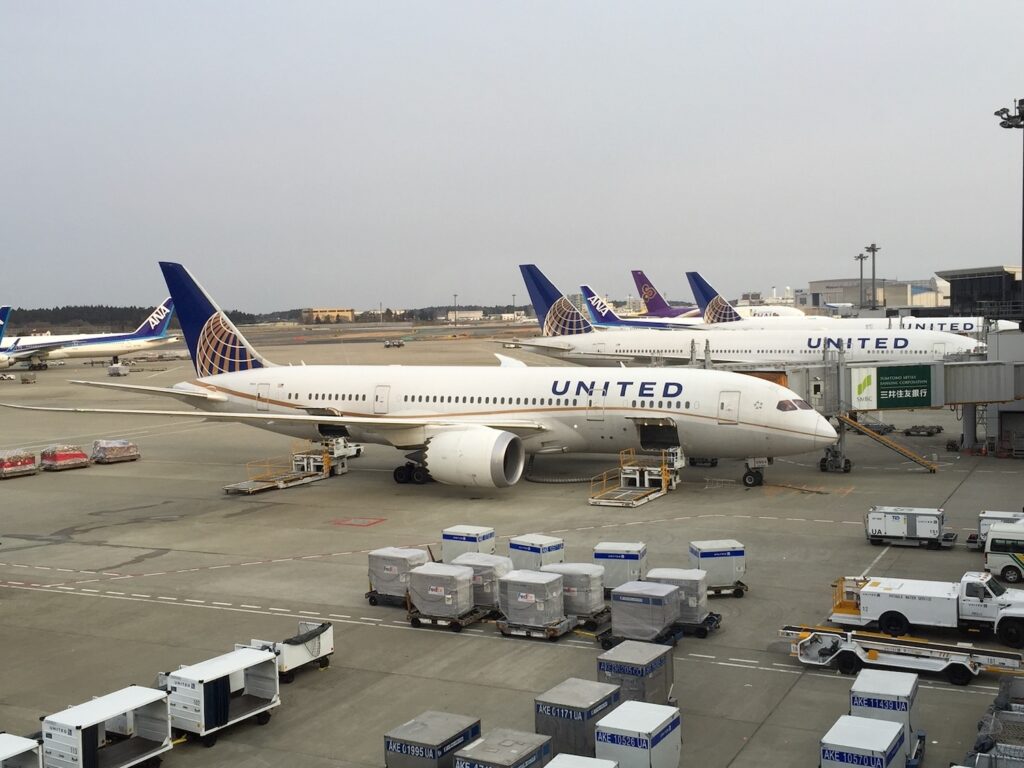
United operates a massive and diverse widebody fleet, including Boeing 767, 777, and 787 aircraft, alongside an incoming fleet of Airbus A350s. Implementing a door-based product across such varying cabin widths creates a ‘Product Consistency’ nightmare. A door that fits a 777-300ER may feel claustrophobic on a 767-300ER due to the narrower fuselage. By sticking to a refined version of the doorless Polaris, United maintains a more uniform experience across its global network.
This harmonization also extends to the spare parts inventory. Operating a single seat platform without the added complexity of door mechanisms allows United to streamline its global supply chain. For a carrier with hubs ranging from Newark to Guam, the ability to repair a seat quickly using standardized parts is a critical operational advantage. The focus is on the ‘Ready-to-Fly’ status of every premium seat on every departure.
Passenger Experience vs. Operational Reality
The internal cabin airflow is another technical factor often overlooked by marketing teams. Full-height doors can impede the circulation of cooled air within the suite, leading to ‘hot spots’ that degrade sleep quality. United’s design maximizes airflow around the passenger, which is essential for maintaining the 18 to 20-degree Celsius environment preferred by most long-haul travelers. This design choice highlights a preference for thermal comfort over visual isolation.
Furthermore, the psychological impact of ‘open privacy’ is often rated higher in surveys than ‘closed privacy’ for passengers who suffer from claustrophobia. The new Polaris suites will likely feature enhanced wing-shields and deeper shells, which provide the feeling of a private cocoon while maintaining an open ceiling. This balance allows the cabin to feel more spacious and less like a series of small corridors, which improves the overall aesthetic of the widebody interior.
The Strategic Forecast: Beyond the Door
Looking toward the 2030s, United’s cabin strategy suggests a move toward ‘Integrated Luxury’ rather than ‘Gated Luxury.’ The airline is investing in high-speed Wi-Fi, 4K IFE screens, and Bluetooth audio connectivity—features that provide more tangible value to the modern business traveler than a sliding door. These digital enhancements require less physical space and weigh far less than mechanical partitions.
As United continues to take delivery of its massive Boeing 787 order, the emphasis will remain on maximizing seat density without sacrificing the 1-2-1 direct aisle access. The omission of the door allows for slightly thinner suite walls, which can be the difference between a 20-inch and a 22-inch seat width. In the high-stakes world of premium travel, those two inches of shoulder room are often more valuable to the passenger than a door that remains open for 80% of the flight.
For additional operational briefings and the latest Airline News, monitor our dedicated aviation intelligence category.
 Aastha Choudhary
  Martin hope