

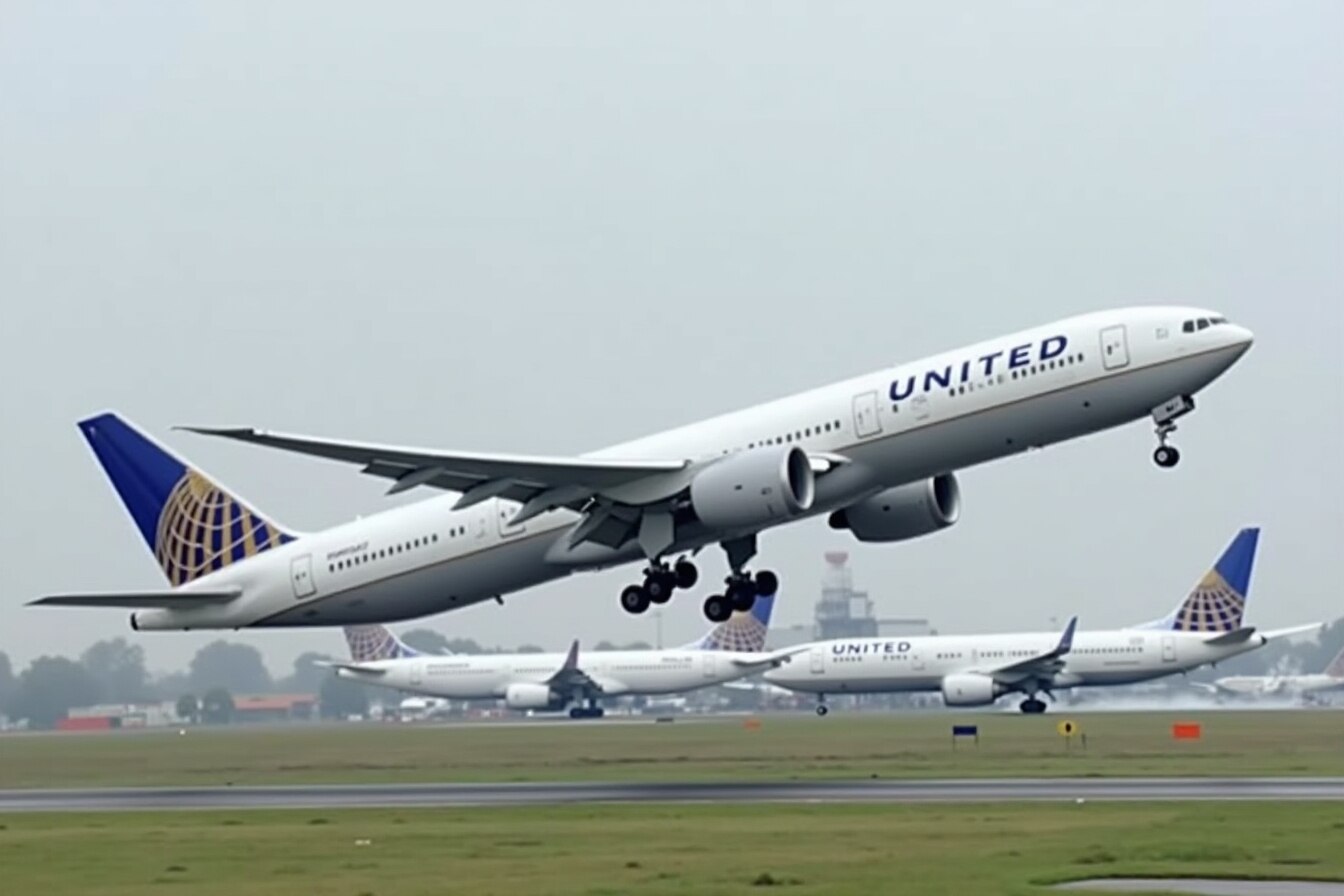
Chicago-based United Airlines CEO Scott Kirby confirmed on March 20, 2026, that the carrier will maintain current staffing and aircraft delivery schedules despite jet fuel prices doubling in three weeks. Kirby emphasized a shift from historical reactive cost-cutting to a long-term capital preservation strategy designed to absorb short-term price volatility.
Traditionally, legacy carriers responded to energy price shocks by immediate capacity reductions and deferring narrow-body orders to preserve cash reserves. United’s current position relies on the United Next growth targets and substantial liquidity built over the last five fiscal years to bridge the current pricing gap.
Strategic Resilience: Why United Airlines is Ignoring the 100% Fuel Surge
The decision to hold firm on aircraft orders indicates that the efficiency gains of next-generation engines, such as the LEAP-1B and GTF, now outweigh the immediate cash-flow benefits of delivery deferrals. Market analysts monitoring recent Airline News will note that this departure from legacy crisis management sets a new precedent for Tier 1 carriers during energy spikes.
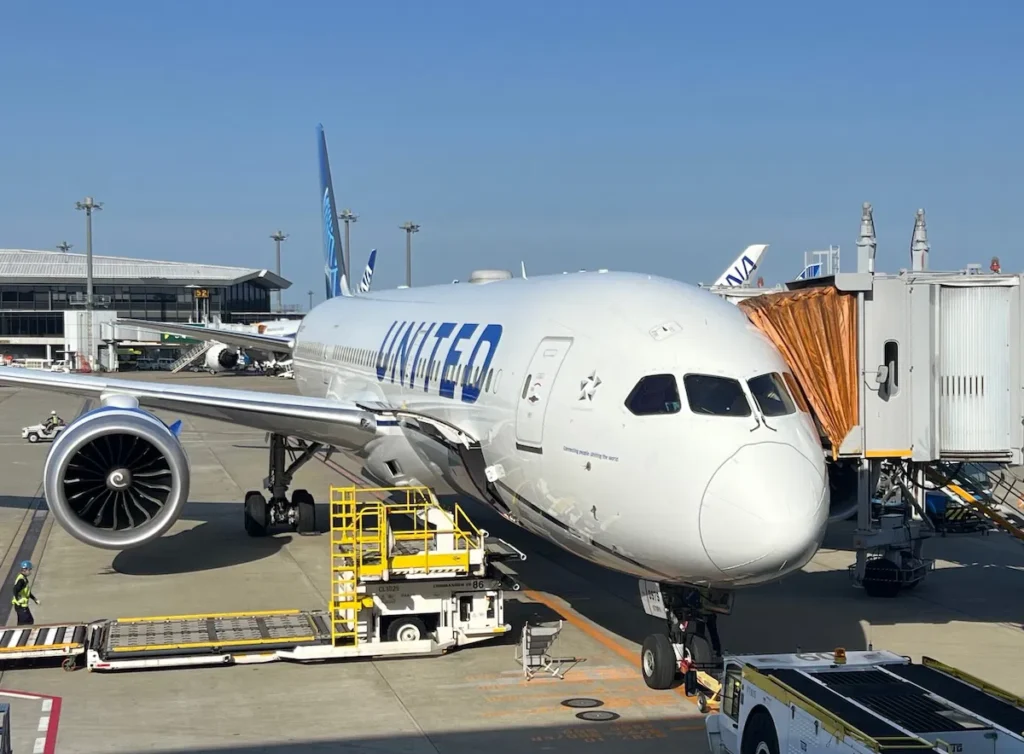
Unlike the 2008 or 2020 cycles where United slashed regional capacity, the 2026 strategy prioritizes narrow-body gauge increases to maximize seat-mile efficiency against high fuel burn costs. Maintaining a consistent hiring pipeline during this shock prevents the training bottlenecks that restricted industry capacity during previous recovery periods.
The Math of Modern Dispatch: CASM vs. Kerosene
The economics of modern dispatch favor the larger gauge aircraft that Kirby is refusing to defer. When fuel prices spike, the Cost per Available Seat Mile (CASM) on an Airbus A321neo or Boeing 737 MAX 10 is significantly lower than the regional jets United previously relied upon during downturns.
- Jet Fuel Price Delta: +100% increase (Last 21 days)
- Workforce Impact: 0% furloughs planned
- Fleet Status: No deferrals on Boeing 737 MAX or Airbus A321neo orders
- Policy Stance: Aggressive gauge-up strategy remains active
- Date of Directive: March 20, 2026
Bypassing the Boom-and-Bust: Long-Term Asset Protection
By keeping the delivery pipeline open, United avoids the massive escalation clauses and late-delivery penalties associated with order restructuring. The carrier is essentially betting that the premium revenue generated by a stable, reliable schedule will offset the increased cost of kerosene in the mid-term.
Kirby’s internal message highlights that the airline has the financial firepower to sustain these costs without degrading the customer experience or labor relations. This suggests a fortress balance sheet capable of withstanding prolonged periods of oil price instability without sacrificing future market share.
Operational Stability at Newark and O’Hare
Reliability remains a core component of this strategy. By avoiding staff furloughs, the airline maintains its internal certification levels and avoids the multi-month lead times required to bring pilots and technicians back from inactive status.
This operational stability is critical for the Newark and O’Hare hubs, where capacity constraints require maximum efficiency from every available slot. If United were to downgrade to smaller aircraft now, it would effectively cede those high-value slots to competitors who are more willing to weather the fuel storm.
Efficiency as a Hedge: The 20% Technology Advantage
From a fleet economics perspective, the decision to continue investments validates the theory that technology is the only hedge against fuel volatility. Newer aircraft are roughly 15% to 20% more fuel-efficient than the older NGT or CEO models they replace. Labor unions have responded with cautious optimism; historically, fuel spikes were the primary driver of contract concessions, but United’s current trajectory suggests that labor is now viewed as an essential asset rather than a variable cost.
Strategic planners are likely focusing on yield management to pass some of the fuel costs to consumers. However, by maintaining a large, efficient fleet, they can keep fares competitive compared to airlines flying older, fuel-thirsty equipment. The long-term focus Kirby mentions is a direct reference to the multi-year cycle of aircraft manufacturing. Deferring an order today could push a delivery out by three to five years.
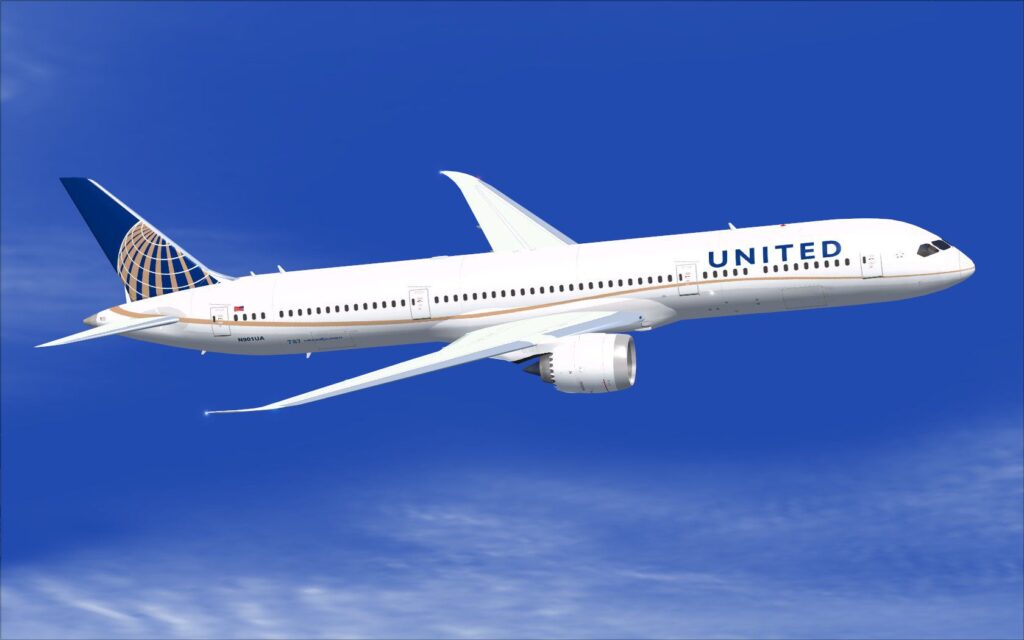
Operational analysts expect other carriers to monitor United’s performance closely. If United can maintain its margin targets while absorbing a 100% fuel increase, it will force a fundamental rethink of how the industry handles external economic shocks. The refusal to cut investments represents a hard-line stance against the cycles that defined the 2000s.
For dispatchers and network planners, this directive provides a stable framework for the upcoming peak season. There is no longer the threat of sudden route cancellations or aircraft swaps that disrupt maintenance planning. United’s current liquidity position allows it to act as a counter-cyclical force. While others may retract, United’s growth can continue, potentially leading to a higher consolidated market share once fuel prices return to mean levels.
For additional operational briefings and the latest Airline News, monitor our dedicated aviation intelligence category.
 Aastha Choudhary